Clinique · Foundation & Primer
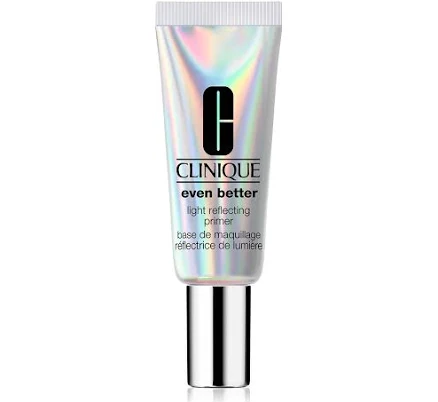
Clinique Even Better Light Reflecting Primer
Lower concern. Silicone primer lacks typical PFAS markers.
Clinique makes no PFAS claims for this primer. Silicone and mineral cosmetic bases are lower concern, though specific ingredient sources remain undisclosed. Standard cosmetic safety review recommended if concerned.
We flunk more products than we pass. This one earned its grade. How we grade
Material
Silicone, talc, minerals, pigments
Lab data
No public lab test
You may also be interested in
Top-graded picks in the categories readers replace first, every one scored on the same rubric.

- polypropylene filter housing, carbon/sediment cartridge
- We found no PFAS statement from the brand
- Bacterial growth in spent cartridges
3 hazards checked on this product, all on its full breakdown.

Aquasure
Premier Series 75 GPD Under Sink Reverse Osmosis Water Filtration System
- RO membrane, carbon filters, stainless steel housing
- We found no PFAS statement from the brand
- Bacterial and microbial growth in housing and filters
4 hazards checked on this product, all on its full breakdown.

Avocado
Vegan Mattress
- organic cotton, natural latex, coconut coir, recycled steel coils
- The brand calls it PFAS-free, which we have not verified
- Heavy metals
2 hazards checked on this product, all on its full breakdown.
What Clinique Even Better Light Primer is made of, ingredients and materials
This primer is a silicone-based formulation mixed with talc, mineral powders, and synthetic pigments. Silicones are inert polymers that sit on skin without absorbing into it, which is why they are used as a barrier layer in primers. Talc and mineral fillers are common in powder and cream cosmetics; their safety depends on sourcing and processing to avoid contamination. Synthetic pigments (iron oxides, titanium dioxide, mica) are regulated colorants, but quality control during manufacturing determines whether heavy metals or impurities are present.
What’s concerning
Category baseline
The starting point for this type of product, before anything specific to this product is counted.
No PFAS disclosure
No public statement from the brand about PFAS in this product.
Heavy metals
Talc sourcing and processing quality are not publicly disclosed by Clinique. Talc deposits can naturally contain asbestos and heavy metals; no independent testing result or talc-free certification is on record for this specific primer.
Source, FDA ↗Lead
Iron oxides, titanium dioxide, and mica used as colorants are regulated, but manufacturing purity is not independently verified or published for this product. Estée Lauder does not provide third-party pigment safety test data.
Source, ATSDR ↗Fragrance allergens or undisclosed fragrance components
This primer contains fragrance ingredients (listed generically as 'fragrance' on the label), which may include volatile compounds that trigger sensitivity in some users. Specific fragrance allergen composition is not disclosed.
What’s reassuring
Base material not linked to PFAS
The main material recorded for this product is not one associated with PFAS.
Formaldehyde / VOCs
No formaldehyde-releaser preservatives (imidazolidinyl urea, dmdm hydantoin) are publicly identified in the formulation. Clinique does not advertise formaldehyde-free status, but no specific reports of this hazard in this product exist.
Source, ATSDR ↗1,4-dioxane as manufacturing byproduct in silicone polymers
Silicone polymers in cosmetics are not typical sources of 1,4-dioxane contamination (more common in ethoxylated surfactants). No data or recall evidence associates this primer with 1,4-dioxane.
How is this PFAS grade calculated?
The brand's record and disclosure
Clinique is owned by Estée Lauder Companies and does not publish detailed ingredient safety disclosures or third-party certifications for PFAS or heavy metal testing. The brand has no publicly documented recalls or safety controversies specific to this primer. Estée Lauder Companies states compliance with cosmetic regulations in markets where products are sold but does not proactively disclose talc sourcing, pigment testing protocols, or formaldehyde releaser avoidance. Ingredient lists are available on packaging and online, but composition transparency beyond regulatory minimums is limited.
How it compares in its category
Silicone primers are standard in mid-to-premium cosmetics; this one is not unusual in ingredient class or price point. Alternatives include water-based primers (lower occlusion, less talc risk) and silicone primers from brands with explicit talc-free certification (e.g., Bare Minerals, Physicians Formula). Clinique's formulation is comparable to Smashbox, MAC, or Benefit primers in material profile. Brands offering certified talc-free or heavy-metal-tested options may carry lower specific contamination risk, though no category-wide testing standard exists.
If you buy it
Use a dime-sized amount and blend well to avoid over-application and buildup. Store in a cool, dry place away from direct sunlight; silicones and pigments do not degrade significantly with age but can separate or oxidize if exposed to heat or humidity. If you experience skin irritation, redness, or allergic response, discontinue use and patch-test on a small area before returning to full application. Replace if the product shows visible mold, separation, or odor change; silicone primers typically have a 12 to 24 month shelf life once opened.
What is not known about PFAS in this product?
- Basis
- Model estimate, 72% confidence, not a lab result
- Lab test
- None on record for this exact product
- Brand statement
- Clinique has made a specific claim
Formulations change between production runs, so check the current label. How we grade.
What are the PFAS-free alternatives to Clinique Even Better Light Reflecting Primer?
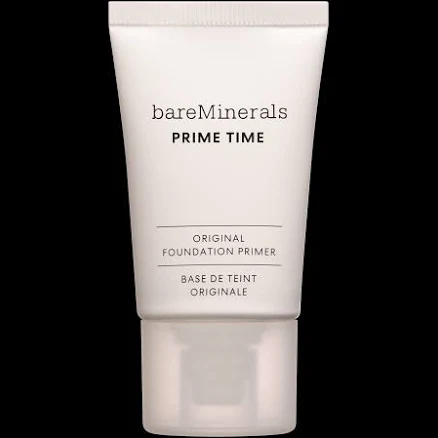
- mineral powder, silicones, mica
- The brand calls it PFAS-free, which we have not verified
- Fragrance allergen sensitization
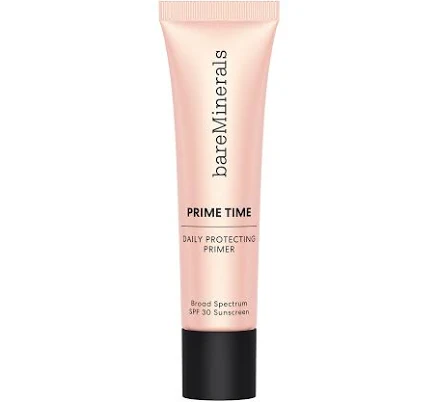
- mineral powder, silica, mica, talc
- The brand calls it PFAS-free, which we have not verified
- Talc inhalation
2 hazards checked on this product, all on its full breakdown.
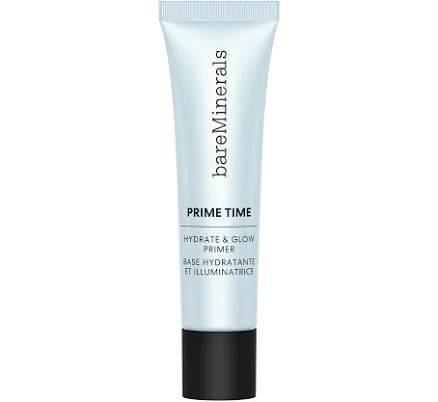
- mineral pigments, glycerin, plant extracts, silicones
- The brand calls it PFAS-free, which we have not verified
- Fragrance allergens and undisclosed fragrance components
2 hazards checked on this product, all on its full breakdown.
More foundation & primer grades
How we score, every product runs through the same public 0-100 rubric based on materials, coatings, brand disclosure, lab findings, and recalls. See the full methodology → Spotted a mistake? Report an error.