Clinique · Lip Balm & Long-Wear Lipstick
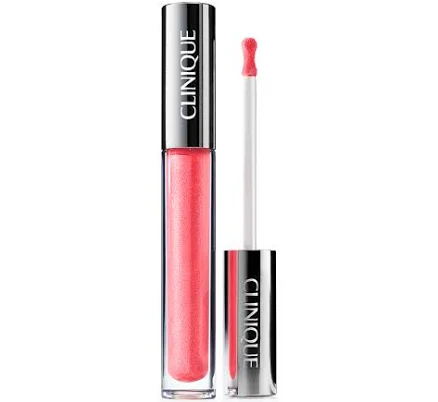
Clinique Pop Plush Creamy Lip Gloss
Low concern. No PFAS red flags identified, but Clinique offers no public commitment.
This conventional cosmetic lip gloss lacks waterproofing, grease resistance, or non-stick claims that typically drive PFAS use. Clinique has not disclosed PFAS testing or made avoidance commitments.
We flunk more products than we pass. This one earned its grade. How we grade
Material
Emollient blend, polymers, pigments (typical lip gloss)
Lab data
No public lab test
You may also be interested in
Top-graded picks in the categories readers replace first, every one scored on the same rubric.

- polypropylene filter housing, carbon/sediment cartridge
- We found no PFAS statement from the brand
- Bacterial growth in spent cartridges
3 hazards checked on this product, all on its full breakdown.

Aquasure
Premier Series 75 GPD Under Sink Reverse Osmosis Water Filtration System
- RO membrane, carbon filters, stainless steel housing
- We found no PFAS statement from the brand
- Bacterial and microbial growth in housing and filters
4 hazards checked on this product, all on its full breakdown.

Avocado
Vegan Mattress
- organic cotton, natural latex, coconut coir, recycled steel coils
- The brand calls it PFAS-free, which we have not verified
- Heavy metals
2 hazards checked on this product, all on its full breakdown.
What Clinique Pop Plush Creamy Lip Gloss is made of, ingredients and materials
Clinique Pop Plush is a creamy emollient blend containing film-forming polymers, pigments, and waxes typical of modern lip glosses. The polymer base (likely acrylates or silicones) creates glossiness and wear; pigments provide color and opacity. Lip products are low-ingestion-risk because lips shed cells continuously and saliva dilutes any residue, but chronic contact with ingredient traces remains relevant for sensitive individuals.
What’s concerning
Category baseline
The starting point for this type of product, before anything specific to this product is counted.
No PFAS disclosure
No public statement from the brand about PFAS in this product.
Fragrance allergens and sensitizers
Pop Plush contains fragrance compounds (listed generically as 'fragrance' per cosmetic labeling rules). Common lip gloss fragrance allergens include linalool, citral, and geraniol. Individuals with fragrance sensitivity or lip dermatitis may experience irritation; patch testing on inner arm before full application is prudent for sensitive skin.
Polymer film degradation and microplastic release
Synthetic polymer binders (acrylates, silicones) in lip gloss can shed microscopic particles over time and with friction, especially as the product ages or is applied repeatedly. No quantitative microplastic shedding data exists for this specific product. Ingestion risk is very low because lip residue is mostly saliva-diluted and shed with natural lip cell turnover.
What’s reassuring
Base material not linked to PFAS
The main material recorded for this product is not one associated with PFAS.
Heavy metals
Clinique does not disclose third-party heavy metal testing for this product. Iron oxides and titanium dioxide (common in lip gloss) are approved at cosmetic levels under FDA rules, but manganese, lead, or cadmium contamination in raw pigments is theoretically possible if suppliers are unvetted. No recalls or reports of heavy metal harm from this product exist.
Source, FDA ↗Formaldehyde / VOCs
No formaldehyde-releasing preservatives (DMDM hydantoin, diazolidinyl urea) are listed on publicly available ingredient data for this product. Clinique formulations typically use preservatives like phenoxyethanol or methylisothiazolinone, which do not release formaldehyde.
Source, ATSDR ↗1,4-dioxane contamination in emulsifiers
1,4-dioxane is a potential impurity in polyethylene glycol and polysorbate emulsifiers used in some cosmetics. Clinique does not publicly disclose 1,4-dioxane testing for this product. Estee Lauder operates under EU regulations that restrict 1,4-dioxane to under 10 ppm where applicable; US FDA oversight is less stringent but contamination at consumer-harm levels in mainstream products is uncommon.
How is this PFAS grade calculated?
The brand's record and disclosure
Clinique (Estee Lauder Companies) does not publish detailed ingredient sourcing or chemical safety commitments in the public domain beyond standard regulatory compliance. The brand has no widely documented recalls or safety controversies specific to this product line. Estee Lauder has not made a public pledge regarding PFAS absence, though the company operates under EU and US cosmetic regulations that limit restricted substances.
How it compares in its category
Pop Plush sits in the mainstream premium lip gloss segment (similar tier to MAC Lipglass, Bobbi Brown Lip Gloss). Most competing products in this category use similar polymer and pigment chemistry with equivalent regulatory oversight. Indie and natural brands may avoid synthetic polymers, but Clinique's formulation is chemically consistent with industry norms and carries no known elevated hazard profile relative to peers.
If you buy it
Apply sparingly to avoid ingestion and keep away from eyes. Store at room temperature away from direct heat (polymers can degrade if left in hot cars or direct sun). Replace if color shifts, texture becomes gritty, or smell changes noticeably, typically every 12-18 months. Discontinue if lip irritation, swelling, or rash develops and consult a dermatologist; this is uncommon but allergic reactions to pigments or fragrance compounds can occur.
What is not known about PFAS in this product?
- Basis
- Model estimate, 62% confidence, not a lab result
- Lab test
- None on record for this exact product
- Brand statement
- Clinique has made a specific claim
Formulations change between production runs, so check the current label. How we grade.
More lip balm & long-wear lipstick grades
How we score, every product runs through the same public 0-100 rubric based on materials, coatings, brand disclosure, lab findings, and recalls. See the full methodology → Spotted a mistake? Report an error.