Clinique · Lip Balm & Long-Wear Lipstick
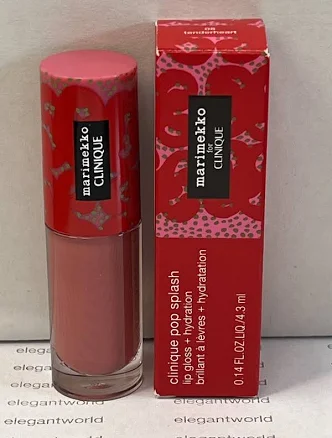
Clinique Pop Splash Lip Gloss + Hydration, 100% Authentic, Choose Your
Low concern. Standard cosmetic lip gloss with no known treatment flags.
This liquid lip gloss does not rely on water-repellency, grease resistance, or non-stick coatings where PFAS is typically found. Clinique offers no PFAS disclosure, though no public testing flags concerns.
We flunk more products than we pass. This one earned its grade. How we grade
Material
liquid lip gloss, likely acrylates/polymers, water-based or silicone base
Lab data
No public lab test
You may also be interested in
Top-graded picks in the categories readers replace first, every one scored on the same rubric.

- polypropylene filter housing, carbon/sediment cartridge
- We found no PFAS statement from the brand
- Bacterial growth in spent cartridges
3 hazards checked on this product, all on its full breakdown.

Aquasure
Premier Series 75 GPD Under Sink Reverse Osmosis Water Filtration System
- RO membrane, carbon filters, stainless steel housing
- We found no PFAS statement from the brand
- Bacterial and microbial growth in housing and filters
4 hazards checked on this product, all on its full breakdown.

Avocado
Vegan Mattress
- organic cotton, natural latex, coconut coir, recycled steel coils
- The brand calls it PFAS-free, which we have not verified
- Heavy metals
2 hazards checked on this product, all on its full breakdown.
What Clinique Pop Splash Lip Gloss Choose Your is made of, ingredients and materials
Clinique Pop Splash is a liquid lip gloss typically formulated with acrylate polymers, silicones, and water as a base, combined with humectants like glycerin and hydrating agents. The 'Splash' variant emphasizes a hydrating formula, meaning it likely contains water-soluble emollients and possibly hyaluronic acid or similar polymers to retain moisture on lips. These materials are cosmetic-grade and widely used in mainstream lip products; the polymer backbone itself poses no acute leaching risk at the lips, where absorption is minimal and contact time is brief.
What’s concerning
Category baseline
The starting point for this type of product, before anything specific to this product is counted.
No PFAS disclosure
No public statement from the brand about PFAS in this product.
Fragrance allergens and sensitizers
Lip glosses, especially the 'Splash' lines, often include fragrance blends and flavor agents to enhance user experience. These can trigger contact dermatitis or allergic reactions in individuals with sensitive skin or fragrance sensitivities; Clinique does not break down fragrance components on packaging due to trade-secret rules.
Microplastics
Liquid glosses containing plastic polymers technically contribute microplastics, though ingestion via lip product is minor compared to other consumer sources. Clinique does not advertise microplastic-free formulations, and no regulatory prohibition exists in this product category.
Source, EPA ↗What’s reassuring
Base material not linked to PFAS
The main material recorded for this product is not one associated with PFAS.
1,4-dioxane contamination
1,4-dioxane is a trace byproduct possible in cosmetics using ethoxylated emulsifiers or surfactants. No specific testing or recalls for Clinique Pop Splash have been published, and modern mainstream brands typically minimize this through process control, but absence of data does not guarantee zero presence.
Heavy metals
Lip glosses rely on iron oxides, mica, and synthetic colorants for pigmentation. Clinique products sold in the US fall under FDA cosmetic color additive rules; no documented lead, cadmium, or arsenic contamination has been reported for this product line.
Source, FDA ↗Polymer coating degradation and ingestion
Acrylate polymers in lip gloss can flake or wear off with normal use, leading to minor ingestion via saliva. These polymers are not metabolized and are generally considered inert in the GI tract at the trace doses from cosmetics; no specific toxicity concern for Pop Splash formulations.
How is this PFAS grade calculated?
The brand's record and disclosure
Clinique, owned by Estee Lauder, maintains baseline cosmetic compliance and lists ingredients on product packaging and online, though full disclosure depth varies by market. The brand has no major FDA enforcement actions, product recalls, or documented heavy metal or formaldehyde contamination linked to this product line. Clinique does not publish detailed PFAS management statements, placing it in the 'silent' category, but no evidence suggests intentional PFAS inclusion in lip gloss formulations across their Pop line.
How it compares in its category
Clinique Pop Splash sits in the mainstream prestige lip gloss segment, alongside brands like MAC, Bobbi Brown, and Urban Decay. Compared to mass-market lip glosses (e.g., Maybelline, NYX), Clinique products typically benefit from higher regulatory oversight and ingredient quality control, though the core chemistry is similar. Versus indie or 'clean' brands claiming PFAS-free formulas, Clinique offers no specific PFAS commitment, but standard acrylate-based glosses across all tiers carry comparable low-to-moderate PFAS risk unless treated with water-repellent coatings.
If you buy it
Store the gloss at room temperature away from direct sunlight to prevent polymer degradation or separation. Replace every 12-18 months or when the formula visibly thickens, separates, or develops an off odor, which signals microbial growth or oxidation. Do not heat or microwave the product. If you have sensitive lips or history of allergic reactions to cosmetics, patch-test on the back of your hand first, as fragrance or flavor components (common in glosses) may trigger irritation in some users.
What is not known about PFAS in this product?
- Basis
- Model estimate, 72% confidence, not a lab result
- Lab test
- None on record for this exact product
- Brand statement
- Clinique has made a specific claim
Formulations change between production runs, so check the current label. How we grade.
More lip balm & long-wear lipstick grades
How we score, every product runs through the same public 0-100 rubric based on materials, coatings, brand disclosure, lab findings, and recalls. See the full methodology → Spotted a mistake? Report an error.