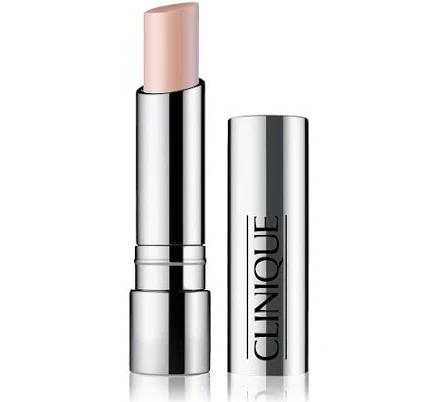
Clinique · Lip Balm & Long-Wear Lipstick
Clinique Repairwear Intensive Lip Treatment
Low concern. Standard lip treatment lacks known PFAS triggers, but transparency absent.
This lip balm-style treatment contains conventional waxes and oils with no water-resistant coating, non-stick surface, or grease-guard packaging. Clinique has not disclosed PFAS use or absence.
We flunk more products than we pass. This one earned its grade. How we grade
Material
Lip balm/treatment base (wax, oils, emollients)
Lab data
No public lab test
You may also be interested in
Top-graded picks in the categories readers replace first, every one scored on the same rubric.

- polypropylene filter housing, carbon/sediment cartridge
- We found no PFAS statement from the brand
- Bacterial growth in spent cartridges
3 hazards checked on this product, all on its full breakdown.

Aquasure
Premier Series 75 GPD Under Sink Reverse Osmosis Water Filtration System
- RO membrane, carbon filters, stainless steel housing
- We found no PFAS statement from the brand
- Bacterial and microbial growth in housing and filters
4 hazards checked on this product, all on its full breakdown.

Avocado
Vegan Mattress
- organic cotton, natural latex, coconut coir, recycled steel coils
- The brand calls it PFAS-free, which we have not verified
- Heavy metals
2 hazards checked on this product, all on its full breakdown.
What Clinique Repairwear Lip Treatment is made of, ingredients and materials
Clinique Repairwear Intensive Lip Treatment is a wax-and-oil-based lip balm typical of the category, containing petrolatum, plant oils, and emollients as its structural base. The formulation includes no known volatile solvents or reactive coatings; risk in lip balms centers on trace contaminants in pigments, fragrances, and preservatives rather than the base matrix itself. Lip treatments applied directly to mucous membranes warrant scrutiny for heavy metals in colorants and allergens in fragrance blends, though this product has no documented recall or safety notice on record.
What’s concerning
Category baseline
The starting point for this type of product, before anything specific to this product is counted.
No PFAS disclosure
No public statement from the brand about PFAS in this product.
Heavy metals
Lip balms often contain iron oxides, titanium dioxide, or mica for color and opacity; these materials have lower concern when cosmetic-grade, but no public testing from Clinique confirms absence of lead or cadmium impurities in Repairwear specifically.
Source, FDA ↗Fragrance allergens
Clinique Repairwear includes fragrance compounds listed as 'fragrance' or 'parfum' on packaging; specific allergen triggers are not disclosed. Lip balms with fragrance carry reported cases of contact dermatitis, especially on sensitive mucous membranes, though incidence is low in prestige formulations.
What’s reassuring
Base material not linked to PFAS
The main material recorded for this product is not one associated with PFAS.
Formaldehyde / VOCs
No formaldehyde-releasing preservatives (DMDM hydantoin, imidazolidinyl urea) are listed on publicly available ingredient declarations for this product. Standard cosmetic preservatives used in lip balms carry minimal risk at stated concentrations.
Source, ATSDR ↗Microplastic particles
Repairwear is not marketed as exfoliating and contains no declared plastic microbeads or synthetic particles. Wax-and-oil lip balms do not pose microplastic ingestion concern.
Talc contamination
No talc is listed in the product's ingredient declaration. Cosmetic-grade talc carries asbestos contamination risk only in specific sourcing scenarios; this balm does not use the mineral.
How is this PFAS grade calculated?
The brand's record and disclosure
Clinique (Estée Lauder subsidiary) does not publicly disclose ingredient sourcing, heavy metal testing, or PFAS avoidance commitments for this product. The brand maintains dermatologist testing claims and hypoallergenic positioning but provides no third-party verification or transparency reports specific to Repairwear. No recalls, safety warnings, or regulatory actions are on file for this product line as of available public records.
How it compares in its category
Clinique Repairwear sits in the premium lip treatment segment; its formulation is materially similar to mass-market balms (wax, oil, emollients) but marketed with a clinical positioning and higher price point. Competitors in the prestige category (Lancome, Shiseido) offer comparable transparency gaps; indie and clean brands typically disclose more about heavy metal testing and fragrance allergen avoidance. For a conventional lip balm, Clinique's hazard profile is unremarkable versus category norms.
If you buy it
Apply as directed; lip balms carry negligible systemic absorption risk due to thin application and saliva clearance. Replace every 6-12 months or if the product separates, discolors, or develops odor changes, which signal microbial growth or oxidative breakdown. Avoid application to broken or severely irritated lips if you have fragrance sensitivity; discontinue use if rash or persistent irritation occurs. No special storage conditions required beyond keeping away from direct heat.
What is not known about PFAS in this product?
- Basis
- Model estimate, 72% confidence, not a lab result
- Lab test
- None on record for this exact product
- Brand statement
- Clinique has made a specific claim
Formulations change between production runs, so check the current label. How we grade.
More lip balm & long-wear lipstick grades
How we score, every product runs through the same public 0-100 rubric based on materials, coatings, brand disclosure, lab findings, and recalls. See the full methodology → Spotted a mistake? Report an error.