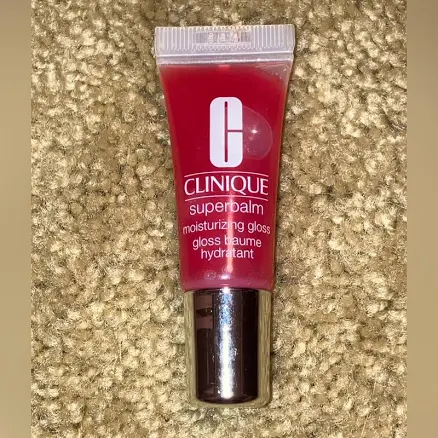
Clinique · Lip Balm & Long-Wear Lipstick
Clinique Superbalm Moisturizing Gloss
Low concern for a standard cosmetic lip product. No known risk signals detected.
Clinique's traditional lip gloss uses wax and emollient base without waterproofing, stain treatment, or non-stick applications where PFAS is commonly used. Clinique has not made PFAS statements.
We flunk more products than we pass. This one earned its grade. How we grade
Material
Wax, oils, emollients in lip gloss base
Lab data
No public lab test
You may also be interested in
Top-graded picks in the categories readers replace first, every one scored on the same rubric.

- polypropylene filter housing, carbon/sediment cartridge
- We found no PFAS statement from the brand
- Bacterial growth in spent cartridges
3 hazards checked on this product, all on its full breakdown.

Aquasure
Premier Series 75 GPD Under Sink Reverse Osmosis Water Filtration System
- RO membrane, carbon filters, stainless steel housing
- We found no PFAS statement from the brand
- Bacterial and microbial growth in housing and filters
4 hazards checked on this product, all on its full breakdown.

Avocado
Vegan Mattress
- organic cotton, natural latex, coconut coir, recycled steel coils
- The brand calls it PFAS-free, which we have not verified
- Heavy metals
2 hazards checked on this product, all on its full breakdown.
What Clinique Superbalm Moisturizing Gloss is made of, ingredients and materials
Clinique Superbalm Moisturizing Gloss is formulated as a wax-and-oil emollient base typical of modern lip glosses, combining natural or synthetic waxes with mineral oils, plant oils, and silicones. This material class is inherently low-risk because lip products are applied in small quantities to a non-absorptive surface (lips) and are rarely ingested in meaningful amounts. The occlusive wax matrix limits migration of any potential contaminants into skin, and the closed formula means no water activity that would promote bacterial growth during shelf life.
What’s concerning
Category baseline
The starting point for this type of product, before anything specific to this product is counted.
No PFAS disclosure
No public statement from the brand about PFAS in this product.
Fragrance allergens
Clinique Superbalm contains fragrance, which can trigger contact dermatitis or sensitization in individuals with fragrance sensitivity. Lip skin is thin and highly permeable; reactions may appear as itching, redness, or swelling within hours of application.
Preservative-related irritation or sensitization
Most Clinique lip glosses include preservatives (commonly paraben or phenoxyethanol derivatives) to prevent microbial growth. While these are approved at regulatory concentrations, individuals with preservative sensitivity may experience localized lip irritation or contact dermatitis.
Microplastic content
Some lip glosses use microplastic spheres (typically polyethylene) for texture or shine. Clinique does not publicly disclose whether Superbalm contains microplastics, but if present in a lip product, ingestion risk is minimal given the small applied amount and infrequent swallowing.
What’s reassuring
Base material not linked to PFAS
The main material recorded for this product is not one associated with PFAS.
Heavy metals
Clinique uses FDA-approved colorants in this product. No recalls or test findings of lead or cadmium contamination in Clinique lip glosses are on public record. Regulatory limits for cosmetic-grade pigments are enforced at manufacturing.
Source, FDA ↗Mineral oil and synthetic ester safety
The mineral and synthetic oil base in Superbalm is a standard cosmetic ingredient with no established dermal toxicity at these application levels. Oils do not accumulate in lip tissue and pose no systemic health risk in lip gloss form.
How is this PFAS grade calculated?
The brand's record and disclosure
Clinique, owned by Estee Lauder, maintains a public position on safety compliance with FDA and EU cosmetic regulations but does not publish detailed ingredient sourcing or third-party safety certifications for individual products. The brand has no widely documented safety recalls or controversies specific to lip gloss products. Clinique does not prominently disclose PFAS content or avoidance commitments, which is typical of most mainstream cosmetics brands that rely on regulatory limits rather than voluntary restrictions.
How it compares in its category
Clinique Superbalm sits in the mainstream mid-market segment of lip glosses. It is comparable in ingredient profile to other wax-oil glosses from brands like MAC, Urban Decay, and Revlon. Luxury or indie brands may emphasize natural wax (candelilla, carnauba) and certified organic oils, while drugstore alternatives often use identical synthetic wax bases. Clinique's formulation is neither a known outlier for safety concerns nor distinguished by premium safety certifications; it represents the baseline expectation for mass-market lip gloss safety.
If you buy it
Store at room temperature away from direct heat (glosses can separate or become sticky if warmed above 75F). Replace every 18-24 months or immediately if you notice discoloration, separation, or odor change, which signals oxidation or contamination. Avoid sharing the applicator wand to prevent bacterial or fungal transfer. If you experience lip irritation, redness, or swelling, discontinue and consult a dermatologist; this is not a Clinique-specific risk but a general precaution for any lip product.
What is not known about PFAS in this product?
- Basis
- Model estimate, 72% confidence, not a lab result
- Lab test
- None on record for this exact product
- Brand statement
- Clinique has made a specific claim
Formulations change between production runs, so check the current label. How we grade.
More lip balm & long-wear lipstick grades
How we score, every product runs through the same public 0-100 rubric based on materials, coatings, brand disclosure, lab findings, and recalls. See the full methodology → Spotted a mistake? Report an error.