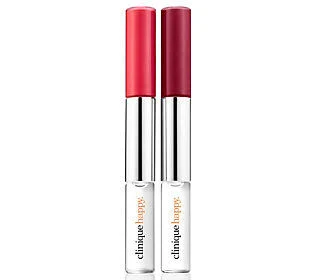
Clinique · Lip Balm & Long-Wear Lipstick
Clinique To Keep, To Give Fragrance and Lip Gloss Set
Low concern. Typical cosmetics set has no documented fluorochemical additives.
Clinique has not disclosed PFAS for this fragrance and lip gloss set. Fragrance oils and lip gloss typically avoid water-repellent or non-stick coatings, making PFAS unlikely though not impossible.
We flunk more products than we pass. This one earned its grade. How we grade
Material
fragrance oils, waxes, glycerin in liquid and solid cosmetic forms
Lab data
No public lab test
You may also be interested in
Top-graded picks in the categories readers replace first, every one scored on the same rubric.

- polypropylene filter housing, carbon/sediment cartridge
- We found no PFAS statement from the brand
- Bacterial growth in spent cartridges
3 hazards checked on this product, all on its full breakdown.

Aquasure
Premier Series 75 GPD Under Sink Reverse Osmosis Water Filtration System
- RO membrane, carbon filters, stainless steel housing
- We found no PFAS statement from the brand
- Bacterial and microbial growth in housing and filters
4 hazards checked on this product, all on its full breakdown.

Avocado
Vegan Mattress
- organic cotton, natural latex, coconut coir, recycled steel coils
- The brand calls it PFAS-free, which we have not verified
- Heavy metals
2 hazards checked on this product, all on its full breakdown.
What Clinique To Keep, To Give Lip Gloss Set is made of, ingredients and materials
This set contains fragrance oils, waxes (likely beeswax, carnauba, or synthetic analogs), and glycerin as the core components of lip gloss and balm formulations. Fragrance oils in lip products are topical exposures applied to thin, permeable mucous membranes, making fragrance allergen content and purity relevant to safety. Waxes provide occlusion and texture; glycerin is a humectant that draws moisture to lips. The semi-occlusive nature of lip products means dermal absorption is generally lower than for leave-on facial cosmetics, though ingestion through lip contact with food and saliva is a minor exposure pathway.
What’s concerning
Category baseline
The starting point for this type of product, before anything specific to this product is counted.
No PFAS disclosure
No public statement from the brand about PFAS in this product.
Fragrance allergens and sensitizers
Fragrance oils in this set are undisclosed by detailed composition. Common fragrance allergens (limonene, linalool, eugenol) are known to trigger contact dermatitis in sensitive individuals; risk is low in general population but present in any fragranced cosmetic applied to sensitive lip tissue.
Microbial contamination in multi-use packaging
Lip gloss applied with a wand or finger can introduce bacteria if hygiene is poor. While the formula's pH and preservative system should inhibit growth, opened and frequently touched cosmetics carry inherent contamination risk; this applies to any lip gloss regardless of brand.
What’s reassuring
Base material not linked to PFAS
The main material recorded for this product is not one associated with PFAS.
Lead
Clinique products comply with FDA limits on lead and cadmium in cosmetics (no more than 10 ppm lead, 3 ppm cadmium). No recalls or violations specific to this product line are recorded; however, independent third-party testing data is not published by the brand.
Source, ATSDR ↗Formaldehyde / VOCs
Clinique formulations are not documented to use formaldehyde or imidazolidinyl urea (a releaser). The brand does not disclose full preservative systems, but no regulatory action or consumer reports flag this as a concern in Clinique lip products.
Source, ATSDR ↗Talc contamination (asbestos risk)
This product is a liquid gloss and balm set, not a powder, so talc-based mineral fillers are unlikely to be a primary ingredient. Clinique has not faced talc litigation and does not market talc-heavy formulations in lip products.
How is this PFAS grade calculated?
The brand's record and disclosure
Clinique is owned by Estee Lauder and operates under cosmetic compliance standards in major markets (US, EU, Canada). The brand does not publish detailed ingredient sourcing or heavy-metal testing data publicly, though it complies with FDA cosmetic regulations and EU Cosmetics Regulation restrictions on lead, cadmium, and banned colorants. No major safety recalls or regulatory actions specific to Clinique lip products are documented in public records. The brand's fragrance compositions remain proprietary, which is standard industry practice but limits independent verification of allergen concentrations.
How it compares in its category
Clinique lip glosses and balms fall into the mainstream premium-cosmetics tier. They avoid marketed 'natural' or 'clean' claims that sometimes signal transparency; instead they emphasize dermatologist testing and stability. Most competing lip products at this price point use similar wax and glycerin bases with synthetic fragrance; Clinique's formulation is typical and carries no documented chemical hazard burden distinguishing it as higher or lower risk than Revlon, MAC, or drugstore brands in composition alone.
If you buy it
Apply lip gloss and balm only to lips; avoid contact with eyes and open wounds. Store in a cool, dry place away from direct sunlight and heat above 25°C to prevent wax separation or rancidity. Replace the product if it develops an off-odor, discoloration, or texture change, which may signal microbial growth or oxidation of fragrance oils. Discontinue use if you develop localized irritation or allergic reaction (redness, swelling); fragrance oils are the most common culprit in lip product sensitivity.
What is not known about PFAS in this product?
- Basis
- Model estimate, 72% confidence, not a lab result
- Lab test
- None on record for this exact product
- Brand statement
- Clinique has made a specific claim
Formulations change between production runs, so check the current label. How we grade.
More lip balm & long-wear lipstick grades
How we score, every product runs through the same public 0-100 rubric based on materials, coatings, brand disclosure, lab findings, and recalls. See the full methodology → Spotted a mistake? Report an error.