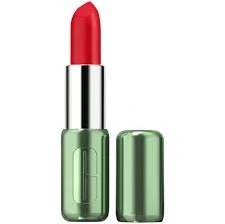
Clinique · Lip Balm & Long-Wear Lipstick
Pop Longwear Lipstick
Lower concern lipstick, no known PFAS triggers or brand disclosure.
Pop Longwear is a standard pigmented lipstick without waterproofing claims that typically require PFAS. Clinique provides no PFAS disclosure, but cosmetic waxes and pigments pose lower inherent PFAS risk than coated or water-resistant products.
We flunk more products than we pass. This one earned its grade. How we grade
Material
wax, oils, pigments in stick form
Lab data
No public lab test
You may also be interested in
Top-graded picks in the categories readers replace first, every one scored on the same rubric.

- polypropylene filter housing, carbon/sediment cartridge
- We found no PFAS statement from the brand
- Bacterial growth in spent cartridges
3 hazards checked on this product, all on its full breakdown.

Aquasure
Premier Series 75 GPD Under Sink Reverse Osmosis Water Filtration System
- RO membrane, carbon filters, stainless steel housing
- We found no PFAS statement from the brand
- Bacterial and microbial growth in housing and filters
4 hazards checked on this product, all on its full breakdown.

Avocado
Vegan Mattress
- organic cotton, natural latex, coconut coir, recycled steel coils
- The brand calls it PFAS-free, which we have not verified
- Heavy metals
2 hazards checked on this product, all on its full breakdown.
What Pop Longwear Lipstick is made of, ingredients and materials
Pop Longwear is a wax-based stick lipstick formulated with natural waxes, silicone oils, and iron oxide or synthetic colorants typical of mainstream cosmetics. The wax matrix (likely beeswax or synthetic equivalents) is inert and poses no known leaching risk during normal wear on lips. Pigments used in Clinique products are generally FD&C approved synthetics or mineral oxides, which carry lower heavy metal contamination risk than artisanal or unregulated alternatives. No talc (and thus no asbestos contamination vector) is listed in the standard formulation.
What’s concerning
Category baseline
The starting point for this type of product, before anything specific to this product is counted.
No PFAS disclosure
No public statement from the brand about PFAS in this product.
Fragrance allergens and sensitizers
Pop Longwear contains fragrance compounds but is not marketed as fragrance-free. Individuals with fragrance sensitivity or lip dermatitis may experience irritation; ingredient list does not specify fragrance type (synthetic vs. natural), limiting allergen predictability.
Lip irritation or contact dermatitis from wax or additives
Wax-based formulas are generally low-irritant, but individual sensitivity to specific wax types (beeswax allergy is rare but documented) or non-pigment additives can occur. Risk is category-standard and not specific to Clinique's formulation.
What’s reassuring
Base material not linked to PFAS
The main material recorded for this product is not one associated with PFAS.
Lead
Pop Longwear uses FD&C-certified synthetic dyes and iron oxides; no lead, cadmium, or arsenic contamination has been reported. Clinique's manufacturing standards and raw material sourcing are subject to FDA oversight, making trace metal contamination unlikely.
Source, ATSDR ↗Formaldehyde / VOCs
Standard Clinique Pop Longwear formulations do not list formaldehyde, DMDM hydantoin, imidazolidinyl urea, or other common releasers. Wax-based lipsticks rely on oil stability and antioxidants rather than formaldehyde preservation.
Source, ATSDR ↗Talc contamination and asbestos risk
Pop Longwear does not list talc as an ingredient, eliminating the primary vector for asbestos contamination in cosmetics. Clinique discontinued talc use in most color cosmetics following industry shifts in the 2010s-2020s.
How is this PFAS grade calculated?
The brand's record and disclosure
Clinique does not publicly disclose PFAS testing results or actively market PFAS-free claims, consistent with most mainstream prestige cosmetic brands. The company is owned by Estee Lauder, which has faced no major recalls or substantiated safety controversies specific to lipsticks. Clinique complies with FDA cosmetic regulations and does not currently list formaldehyde releasers (DMDM hydantoin, imidazolidinyl urea) in Pop Longwear ingredient disclosures. No third-party certifications (organic, clean beauty) are marketed for this product, reflecting a conventional safety-compliance rather than precautionary stance.
How it compares in its category
Pop Longwear sits in the mass-prestige segment and uses formulations comparable to other long-wear lipsticks (MAC, Maybelline SuperStay). It avoids some premium indie brands' opacity-boosting additives (e.g., mica, bismuth oxychloride) that can irritate sensitive lips, though this is not a hazard per se. Its wax base is more conventional and stable than gel or liquid lip formulas, which carry higher risk of ingredient migration or separation under heat. Clinique's manufacturing oversight is stronger than independent beauty brands, reducing likelihood of trace heavy metal contamination in pigments.
If you buy it
Store Pop Longwear at room temperature away from direct sunlight and heat sources; lipstick wax can soften above 75F, potentially altering texture and causing pigment settling. Replace the product every 2-3 years or sooner if the texture becomes grainy, which signals oxidation of oils and potential for irritation. Avoid ingesting residue; while small amounts are non-toxic, chronic ingestion of lipstick wax and colorants is not recommended. Discontinue if you experience sustained lip irritation, redness, or allergic reaction, and test on a small area first if you have sensitive skin or known cosmetic allergies.
What is not known about PFAS in this product?
- Basis
- Model estimate, 72% confidence, not a lab result
- Lab test
- None on record for this exact product
- Brand statement
- Clinique has made a specific claim
Formulations change between production runs, so check the current label. How we grade.
More lip balm & long-wear lipstick grades
How we score, every product runs through the same public 0-100 rubric based on materials, coatings, brand disclosure, lab findings, and recalls. See the full methodology → Spotted a mistake? Report an error.