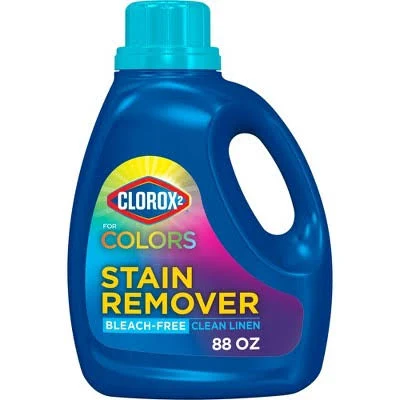
Clorox 2 · Fabric Stain Guard Sprays
Clorox 2 Stain Remover and Color
Low risk standard liquid stain remover without known PFAS.
This oxygen-based bleach cleaner contains no fluorochemistry and applies no water or stain-resistant treatments. No public PFAS concerns exist for this product.
We flunk more products than we pass. This one earned its grade. How we grade
Material
liquid oxygen-based bleach, surfactants, water
Brand disclosure
Brand is silent on PFAS
Lab data
No public lab test
You may also be interested in
Top-graded picks in the categories readers replace first, every one scored on the same rubric.

Aqua Pure
3M Aqua-Pure AP802B Whole House Filter Housing
- polypropylene filter housing, carbon/sediment cartridge
- We found no PFAS statement from the brand
- Bacterial growth in spent cartridges
3 hazards checked on this product. See all of them.

Aquasure
Premier Series 75 GPD Under Sink Reverse Osmosis Water Filtration System
- RO membrane, carbon filters, stainless steel housing
- We found no PFAS statement from the brand
- Bacterial and microbial growth in housing and filters
4 hazards checked on this product. See all of them.

Avocado
Vegan Mattress
- organic cotton, natural latex, coconut coir, recycled steel coils
- The brand calls it PFAS-free, which we have not verified
- Heavy metals
2 hazards checked on this product. See all of them.
What Clorox 2 Stain Remover and Color is made of, ingredients and materials
Clorox 2 is a hydrogen peroxide-based (oxygen-release) bleach, not chlorine bleach, combined with surfactants and water. This chemistry means it works by releasing oxygen to lift stains rather than through chlorination, making it gentler on dyed fabrics and less likely to produce toxic chlorine gas if accidentally mixed with other cleaners. The surfactants help suspend soil particles, but are not specified in public disclosures; however, oxygen-based systems typically use non-ionic or anionic surfactants that are biodegradable and carry lower hazard profiles than some alternatives.
What’s concerning
Category baseline
The starting point for this type of product, before anything specific to this product is counted.
No PFAS disclosure
No public statement from the brand about PFAS in this product.
Hydrogen peroxide skin and eye irritation
Oxygen-based bleaches at spray concentration can irritate skin and eyes on contact. No reported systemic toxicity at typical use dilutions, but undiluted or prolonged exposure carries irritation risk. Always wear gloves and avoid aerosolization.
Surfactant sensitization or allergic contact dermatitis
Specific surfactant types in Clorox 2 are not disclosed publicly. Non-ionic and anionic surfactants in oxygen-based cleaners are generally low-hazard, but individual sensitization is possible; some users report dermatitis with repeated skin contact during application.
Inhalation hazard from spray aerosol
Spray application creates fine mist; while hydrogen peroxide is volatile, inhalation of surfactant aerosols or residual peroxide vapor in poorly ventilated spaces may cause respiratory irritation. No systemic toxicity reported at typical household use.
Fabric color or texture degradation
Hydrogen peroxide can bleach or fade some dyes, especially reds and blues, with repeated application or extended contact time. This is a use-limitation rather than a toxicological hazard, but affects product safety for delicate or dark textiles.
What’s reassuring
Base material not linked to PFAS
The main material recorded for this product is not one associated with PFAS.
Heavy metals
No lead, cadmium, or other heavy metal contamination has been reported in Clorox 2 by regulatory agencies or independent testing. The plastic spray bottle is standard polyethylene; no leachable metal hazards are on record.
Source, FDA ↗The full breakdown
The brand's record and disclosure
Clorox as a company has not published detailed ingredient breakdowns for Clorox 2 beyond the active ingredient (hydrogen peroxide) and product category claims. The brand maintains no known public certifications (e.g., EPA Safer Choice, Cradle to Cradle) for this product. No major recalls, formaldehyde incidents, or heavy metal contamination reports are on record for Clorox 2 in its standard formulation. The company's stance on PFAS in their product lines is largely silent, but this particular stain remover is not among brands flagged for PFOA/PFOS use.
How it compares in its category
Oxygen-based stain removers (Clorox 2, OxiClean, generic hydrogen peroxide solutions) are generally considered lower hazard than chlorine bleach for fabric use because they do not release toxic chlorine gas and are safer for colorfast items. Compared to enzymatic stain sprays (which carry protease allergen risk) or solvent-based spot treatments (which have VOC concerns), Clorox 2 sits in a middle-lower risk tier. It is not a specialty eco-certified product, so it lacks third-party validation that some consumers prioritize.
If you buy it
Test on an inconspicuous area of the fabric first, especially on delicate dyes; oxygen-based bleach can fade some colors over time with repeated use. Always dilute or follow label directions; do not apply at full strength to delicate fabrics. Store in a cool, dark place away from sunlight, as hydrogen peroxide degrades and loses efficacy when exposed to light. Do not mix with other cleaners, especially acids or chlorine products, to avoid hazardous gas release.
What we don’t know
- Basis
- Model estimate, 78% confidence, not a lab result
- Lab test
- None on record for this exact product
- Brand statement
- Clorox 2 has made none
Formulations change between production runs, so check the current label. How we grade.
More fabric stain guard sprays grades
How we score, every product runs through the same public 0-100 rubric based on materials, coatings, brand disclosure, lab findings, and recalls. See the full methodology → Spotted a mistake? Report an error.