Clorox 2 · Fabric Stain Guard Sprays
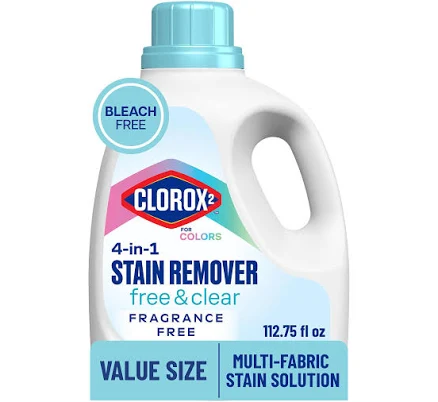
Clorox 2 Stain Remover & Color Booster
Low risk bleach alternative unlikely to contain PFAS.
This color-safe stain remover uses hydrogen peroxide chemistry and is not a coated or treated product. No PFAS linkage exists for this standard household cleaner.
We flunk more products than we pass. This one earned its grade. How we grade
Material
Sodium percarbonate (oxidizer), surfactants, inert ingredients in aqueous solution
Brand disclosure
Brand is silent on PFAS
Lab data
No public lab test
You may also be interested in
Top-graded picks in the categories readers replace first, every one scored on the same rubric.

Aqua Pure
3M Aqua-Pure AP802B Whole House Filter Housing
- polypropylene filter housing, carbon/sediment cartridge
- We found no PFAS statement from the brand
- Bacterial growth in spent cartridges
3 hazards checked on this product. See all of them.

Aquasure
Premier Series 75 GPD Under Sink Reverse Osmosis Water Filtration System
- RO membrane, carbon filters, stainless steel housing
- We found no PFAS statement from the brand
- Bacterial and microbial growth in housing and filters
4 hazards checked on this product. See all of them.

Avocado
Vegan Mattress
- organic cotton, natural latex, coconut coir, recycled steel coils
- The brand calls it PFAS-free, which we have not verified
- Heavy metals
2 hazards checked on this product. See all of them.
What Clorox 2 Stain Remover & Color Booster is made of, ingredients and materials
Clorox 2 is built on sodium percarbonate, a solid oxidizer that breaks down into hydrogen peroxide and sodium carbonate when dissolved in water. Unlike chlorine bleach (sodium hypochlorite), it does not generate chlorine gas and is gentler on colored fabrics, which is why it's marketed as a color-safe alternative. The surfactants and inert ingredients in the aqueous solution help suspend soil particles and boost cleaning action without added bleaching agents that strip dyes. This chemistry presents lower concern for household use around fabrics and skin compared to traditional chlorine products.
What’s concerning
Category baseline
The starting point for this type of product, before anything specific to this product is counted.
No PFAS disclosure
No public statement from the brand about PFAS in this product.
Skin and eye irritation (sodium percarbonate concentrate)
The active ingredient can cause redness, stinging, or temporary inflammation if undiluted product contacts skin or eyes. Label warnings and dilution instructions are standard controls; accidental splash injury is the primary risk.
Inhalation of dust or mist (powder or spray form)
If Clorox 2 is aerosolized (spray bottles, powder inhalation) or used in poorly ventilated spaces, sodium percarbonate dust or mist may irritate respiratory mucosa. Standard household use with normal ventilation poses minimal risk; risk rises in enclosed or prolonged exposure scenarios.
Textile or dye degradation with overuse
Repeated or excessive application of oxygen-based oxidizers can gradually fade or weaken some dyed fabrics and fibers, especially synthetics or vintage textiles. This is a use-pattern hazard rather than a toxicological one; label instructions minimize this by recommending appropriate soaking times.
Surfactant or residue buildup (aquatic toxicity if disposed improperly)
The surfactants and inert ingredients in solution can persist in wastewater if not biodegraded; disposal down drains in high volumes may affect aquatic ecosystems. Household use at recommended dilution poses negligible risk; concern is relevant only for industrial-scale or improper disposal.
What’s reassuring
Base material not linked to PFAS
The main material recorded for this product is not one associated with PFAS.
PFAS
Sodium percarbonate-based formulas do not require fluorinated compounds for function. Clorox has not disclosed PFAS in this product, and the category and chemistry suggest none is present; standard oxidizer products in this class carry lower PFAS risk than water-repellent or non-stick specialty chemicals.
Source, ATSDR ↗The full breakdown
The brand's record and disclosure
Clorox has faced scrutiny over ingredient transparency in some product lines, though Clorox 2 ingredient lists are publicly available on packaging and the company website. The brand has not made public commitments to PFAS elimination in stain removers, but sodium percarbonate-based products are not known to require PFAS for function. No major recalls or safety findings specific to Clorox 2 have been documented in FDA or EPA records. The company maintains basic safety certifications and provides safety data sheets through standard channels.
How it compares in its category
Clorox 2 occupies the middle ground between oxygen-based and chlorine-based stain removers. Compared to chlorine bleach, it is lower-toxicity and color-safe; compared to enzymatic or plant-based alternatives (like oxygen boosters with enzymes), it works faster but may be harsher on delicate fabrics over repeated use. Most competing oxygen-based stain removers (OxiClean, store brands) have similar safety profiles based on sodium percarbonate; Clorox 2's brand recognition and consistency make it a reliable choice rather than a standout hazard reduction.
If you buy it
Always dilute according to label directions and avoid prolonged skin contact; sodium percarbonate can irritate eyes and mucous membranes in concentrate form. Test on hidden fabric areas before treating visible stains, especially on delicate or dyed textiles, as oxidizers can lighten some colors over time with repeated use. Store in a cool, dry place away from children and pets; sodium percarbonate remains stable in sealed containers but degrades faster in heat or humidity. Use within the shelf life printed on packaging, as the active ingredient loses potency as the product ages.
What we don’t know
- Basis
- Model estimate, 82% confidence, not a lab result
- Lab test
- None on record for this exact product
- Brand statement
- Clorox 2 has made none
Formulations change between production runs, so check the current label. How we grade.
More fabric stain guard sprays grades
How we score, every product runs through the same public 0-100 rubric based on materials, coatings, brand disclosure, lab findings, and recalls. See the full methodology → Spotted a mistake? Report an error.