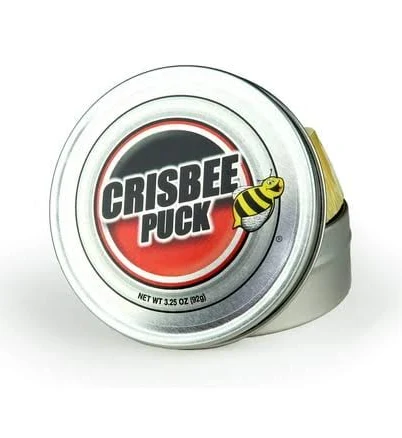
· Cast Iron Cookware Seasoning & Oil
Crisbee Puck Cast Iron Seasoning
Lower concern. Soybean oil and beeswax blend seasoning without disclosed PFAS-linked additives.
Material as recorded is soybean oil and beeswax blend. No water-repellent finish or non-stick coating on record. Brand has no PFAS statement on record.
The better-graded swap
Crisbee
Stik Cast Iron Seasoning
85/100 safety
Same rubric that flunked this product. The swap earned Excellent.
Still want this one anyway? Check the price on Amazon. We’d swap it.
Material
Soybean oil, beeswax blend
Brand disclosure
Brand is silent on PFAS
Lab data
No public lab test
You may also be interested in
Top-graded picks in the categories readers replace first, every one scored on the same rubric.

- polypropylene filter housing, carbon/sediment cartridge
- We found no PFAS statement from the brand
- Bacterial growth in spent cartridges
3 hazards checked on this product, all on its full breakdown.

Aquasure
Premier Series 75 GPD Under Sink Reverse Osmosis Water Filtration System
- RO membrane, carbon filters, stainless steel housing
- We found no PFAS statement from the brand
- Bacterial and microbial growth in housing and filters
4 hazards checked on this product, all on its full breakdown.

Avocado
Vegan Mattress
- organic cotton, natural latex, coconut coir, recycled steel coils
- The brand calls it PFAS-free, which we have not verified
- Heavy metals
2 hazards checked on this product, all on its full breakdown.
What Crisbee Puck Cast Iron Seasoning is made of, ingredients and materials
Puck is a blend of soybean oil and beeswax, designed to polymerize on cast iron when heated to form a non-stick seasoning layer. Soybean oil is a triglyceride-based food-grade oil with a smoke point around 450F, suitable for seasoning applications. Beeswax acts as a hardening agent that helps the oil cure into a durable finish. This formulation contains no synthetic coatings, Teflon-type coating (Teflon), or nano-particles, making it chemically straightforward.
What’s concerning
No PFAS disclosure
No public statement from the brand about PFAS in this product.
Category baseline
The starting point for this type of product, before anything specific to this product is counted.
Soybean oil oxidation and rancidity
Unopened pucks have minimal exposure, but once opened, the exposed soybean oil surface can oxidize over months, potentially producing off-odors or degraded flavor if used on food-contact surfaces. Proper storage in a cool, sealed container mitigates this.
Beeswax purity and contaminants
Commercial beeswax can occasionally contain residual pesticides (from hive treatments) or mold if sourced from poor storage conditions. The brand does not disclose beeswax sourcing or testing; risk is low but unverified.
What’s reassuring
Base material not linked to PFAS
The main material recorded for this product is not one associated with PFAS.
Smoke point and thermal breakdown
Soybean oil's 450F smoke point is adequate for the recommended seasoning oven temperatures (350-500F). No safety hazard is documented when used as directed, though excessive heating beyond 500F could degrade the oil base.
Coating durability and iron leaching
The seasoning layer created by soybean oil-beeswax polymerization protects cast iron from contact with food and liquids, preventing iron oxidation and leaching. No mechanism for hazardous leaching exists with this formulation.
Allergen content (soy, bee products)
The brand is not ingested; it remains as a dry, cured coating on cookware. Soybean oil and beeswax are not absorbed into food during normal use, so soy or bee allergies pose no risk from the seasoning itself.
How is this PFAS grade calculated?
The brand's record and disclosure
The brand has maintained a low public profile with minimal formal certifications or third-party testing disclosures. The product has no documented recalls, safety warnings, or controversy in available safety databases. The brand does not explicitly market PFAS-free status but the formulation (traditional oils and wax) inherently excludes PFAS compounds used in modern non-stick coatings.
How it compares in its category
Cast iron seasoning products typically fall into two camps, oil-based blends (like the brand) or proprietary sprays that may contain additives or polymers. The brand's soybean oil-beeswax approach is more minimal than spray seasonings and avoids synthetic polymers or silicone carriers found in some competitors. It matches the safety profile of traditional seasoning methods (cooking oil alone) but with added durability from beeswax.
If you buy it
Apply thin coats to clean, dry cast iron and wipe away excess before heating to 350-500F in an oven for 15-30 minutes per layer. Do not use on stovetop directly as oil can ignite. The soybean oil base will not degrade the cast iron; beeswax will not flake if applied correctly. Reapply every 6-12 months or after heavy use; no special removal is needed for reapplication.
What is not known about PFAS in this product?
- Basis
- Model estimate, 92% confidence, not a lab result
- Lab test
- None on record for this exact product
- Brand statement
- has made none
Formulations change between production runs, so check the current label. How we grade.
What are the PFAS-free alternatives to Crisbee Puck Cast Iron Seasoning?
- Organic waxes and oils blend
- We found no PFAS statement from the brand
- Oil rancidity and off-gassing
2 hazards checked on this product, all on its full breakdown.
- mineral oil and soy-based oil blend
- Aerosol inhalation (mineral oil mist)
3 hazards checked on this product, all on its full breakdown.
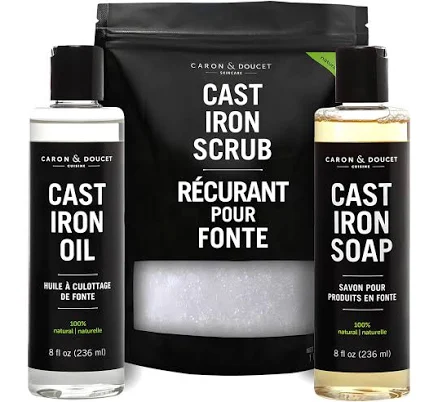
Cast Iron Ultimate Bundle
- cast iron, bare or seasoned with the brand
- We found no PFAS statement from the brand
- Iron leaching into food
2 hazards checked on this product, all on its full breakdown.
More cast iron cookware seasoning & oil grades
How we score, every product runs through the same public 0-100 rubric based on materials, coatings, brand disclosure, lab findings, and recalls. See the full methodology → Spotted a mistake? Report an error.