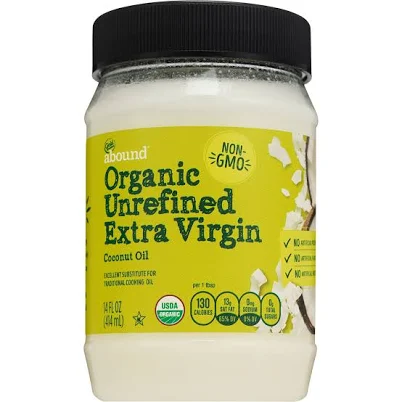
Coconut Oil · Cast Iron Cookware Seasoning & Oil
CVS Gold Emblem Abound Extra Virgin Coconut Oil
Lower concern; edible oil product with no known PFAS risk.
Extra virgin coconut oil is a food product, not cookware, with no documented PFAS risk from pure edible oils. Glass or ceramic storage minimizes any packaging concern.
The better-graded swap
Crisbee
Stik Cast Iron Seasoning
85/100 safety
Same rubric that flunked this product. The swap earned Excellent.
Still want this one anyway? Check the price on Amazon. We’d swap it.
Material
Extra virgin coconut oil, liquid edible oil
Brand disclosure
Brand is silent on PFAS
Lab data
No public lab test
You may also be interested in
Top-graded picks in the categories readers replace first, every one scored on the same rubric.

- polypropylene filter housing, carbon/sediment cartridge
- We found no PFAS statement from the brand
- Bacterial growth in spent cartridges
3 hazards checked on this product, all on its full breakdown.

Aquasure
Premier Series 75 GPD Under Sink Reverse Osmosis Water Filtration System
- RO membrane, carbon filters, stainless steel housing
- We found no PFAS statement from the brand
- Bacterial and microbial growth in housing and filters
4 hazards checked on this product, all on its full breakdown.

Avocado
Vegan Mattress
- organic cotton, natural latex, coconut coir, recycled steel coils
- The brand calls it PFAS-free, which we have not verified
- Heavy metals
2 hazards checked on this product, all on its full breakdown.
What CVS Gold Emblem Abound Extra Coconut Oil is made of, ingredients and materials
CVS Gold Emblem Abound Extra Virgin Coconut Oil is cold-pressed coconut oil, an edible fat extracted from coconut meat without chemical solvents. As a liquid oil used for cooking and food preparation rather than as cookware itself, it does not involve the typical cookware hazards like ceramic glazes, metal coatings, or polymeric non-stick surfaces. The main safety profile depends on oxidative stability at high heat and the absence of contaminants during extraction and storage.
What’s concerning
Category baseline
The starting point for this type of product, before anything specific to this product is counted.
No PFAS disclosure
No public statement from the brand about PFAS in this product.
Oxidative rancidity at elevated cooking temperatures
Extra virgin coconut oil has a relatively low smoke point (around 350°F/175°C). Heating beyond this temperature degrades the oil into free fatty acids and compounds that may cause digestive upset; no direct toxicity established, but degradation quality is a concern for high-heat use.
What’s reassuring
Base material not linked to PFAS
The main material recorded for this product is not one associated with PFAS.
Microbial contamination during storage
CVS Gold Emblem coconut oil has no recorded contamination incidents. Standard food safety practices during manufacturing and retail storage minimize this risk, but improper home storage (exposure to moisture, warmth, or non-sterile scooping) could introduce bacterial or mold growth over time.
Allergic reaction or intolerance
Coconut oil is not a common allergen, but tree-nut-allergic individuals may experience cross-reactivity; coconut is botanically a drupe, not a true tree nut, so risk is low. The product contains no added allergens based on standard labeling, but individuals with coconut sensitivity should verify the label.
Pesticide residue
No public recalls or testing reports document aflatoxin or pesticide contamination in CVS Gold Emblem coconut oil. Cold-pressed processing does not eliminate such contaminants if present in raw coconuts, but CVS sourcing and FDA compliance reduce risk compared to unregulated international suppliers.
Source, EPA ↗How is this PFAS grade calculated?
The brand's record and disclosure
CVS Gold Emblem is a private-label line of CVS Health, a major US pharmacy retailer with established food safety compliance. No specific safety recalls or quality controversies have been publicly documented for this coconut oil product. CVS does not publicize detailed supplier or processing transparency, but the product is sold under FDA-regulated food labeling requirements and standard retail food safety protocols.
How it compares in its category
Coconut oil sits outside traditional cookware categories; it functions more like a cooking medium. Compared to refined oils, extra virgin coconut oil has a lower smoke point (around 350°F), making it unsuitable for high-heat frying but adequate for medium-heat cooking and raw use. CVS Gold Emblem coconut oil pricing and availability are competitive with national brands like Nutiva and Tropical Traditions, with similar cold-pressed claims but less third-party certification detail.
If you buy it
Store in a cool, dark cabinet away from direct sunlight to slow oxidation. Do not use for cooking above 350°F; reserve for low to medium-heat cooking, baking, or raw applications like salad dressing. Check the expiration date at purchase and replace if the oil develops an off-smell or rancid taste, which signals oxidative breakdown. Use a clean, dry spoon to scoop oil and keep the container sealed to prevent contamination and moisture absorption.
What is not known about PFAS in this product?
- Basis
- Model estimate, 92% confidence, not a lab result
- Lab test
- None on record for this exact product
- Brand statement
- Coconut Oil has made none
Formulations change between production runs, so check the current label. How we grade.
What are the PFAS-free alternatives to CVS Gold Emblem Abound Extra Virgin Coconut Oil?
- Organic waxes and oils blend
- We found no PFAS statement from the brand
- Oil rancidity and off-gassing
2 hazards checked on this product, all on its full breakdown.
- mineral oil and soy-based oil blend
- Aerosol inhalation (mineral oil mist)
3 hazards checked on this product, all on its full breakdown.
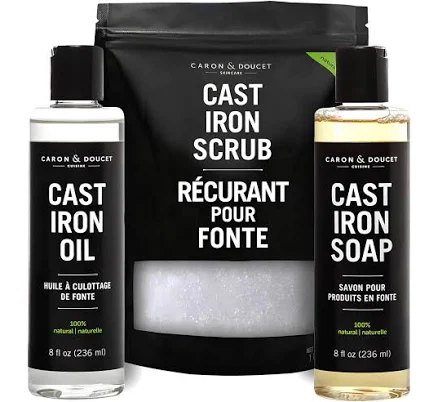
Cast Iron Ultimate Bundle
- cast iron, bare or seasoned with the brand
- We found no PFAS statement from the brand
- Iron leaching into food
2 hazards checked on this product, all on its full breakdown.
More cast iron cookware seasoning & oil grades
How we score, every product runs through the same public 0-100 rubric based on materials, coatings, brand disclosure, lab findings, and recalls. See the full methodology → Spotted a mistake? Report an error.