Coconut Oil · Cast Iron Cookware Seasoning & Oil
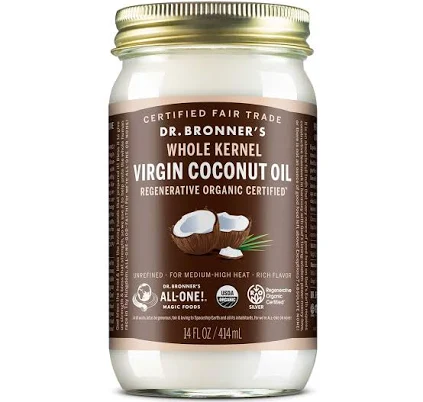
Dr. Bronner's Organic Virgin Coconut Oil
Organic virgin coconut oil with no coating or water-repellent finish on record.
Material as recorded is organic virgin coconut oil, unrefined. The base material is not linked to PFAS. The brand has no PFAS statement on record.
The better-graded swap
Crisbee
Stik Cast Iron Seasoning
85/100 safety
Same rubric that flunked this product. The swap earned Excellent.
Still want this one anyway? Check the price on Amazon. We’d swap it.
Material
Organic virgin coconut oil, unrefined
Brand disclosure
Brand is silent on PFAS
Lab data
No public lab test
You may also be interested in
Top-graded picks in the categories readers replace first, every one scored on the same rubric.

- polypropylene filter housing, carbon/sediment cartridge
- We found no PFAS statement from the brand
- Bacterial growth in spent cartridges
3 hazards checked on this product, all on its full breakdown.

Aquasure
Premier Series 75 GPD Under Sink Reverse Osmosis Water Filtration System
- RO membrane, carbon filters, stainless steel housing
- We found no PFAS statement from the brand
- Bacterial and microbial growth in housing and filters
4 hazards checked on this product, all on its full breakdown.

Avocado
Vegan Mattress
- organic cotton, natural latex, coconut coir, recycled steel coils
- The brand calls it PFAS-free, which we have not verified
- Heavy metals
2 hazards checked on this product, all on its full breakdown.
What Dr. Bronner's Organic Virgin Coconut Oil is made of, ingredients and materials
Dr. Bronner's Organic Virgin Coconut Oil is cold-pressed, unrefined coconut oil with no additives, emulsifiers, or synthetic processing. As a food product rather than cookware, it carries none of the typical cookware hazards like ceramic glaze contamination or Teflon-type coating degradation. The unrefined status means it retains natural polyphenols and lauric acid, which are nutritionally intact but also mean smoke point is lower (~350F) than refined versions, making it unsuitable for high-heat cooking.
What’s concerning
No PFAS disclosure
No public statement from the brand about PFAS in this product.
Category baseline
The starting point for this type of product, before anything specific to this product is counted.
Oxidative degradation at high heat
Unrefined coconut oil has a lower smoke point (~350F) than refined versions. Heating above this temperature produces oxidative byproducts (free radicals, aldehydes) that may form during cooking, though risk is normal for any unrefined oil at misuse temperatures.
Allergen cross-contamination
While coconut oil itself is hypoallergenic, manufacturing facilities may process other tree nuts. Check label for allergen warnings; Dr. Bronner's does not typically share facility allergen statements for this product line, so contact the brand directly if tree nut allergy is a concern.
What’s reassuring
Base material not linked to PFAS
The main material recorded for this product is not one associated with PFAS.
Mold or microbial growth in storage
No documented cases of mold or bacterial contamination in Dr. Bronner's coconut oil batches. Risk is minimal with sealed packaging and cool storage but increases if bottle is left open or stored in warm, humid conditions over months.
Pesticide residue
Product carries USDA Organic certification, which requires residue testing and prohibits synthetic pesticides. No independent testing or recall data suggest pesticide contamination in this brand; certification provides reasonable assurance.
Source, EPA ↗Heavy metals
Coconuts grown in most regions (Philippines, Indonesia) show naturally low bioaccumulation of lead or cadmium in the nut meat. No published lab results or recalls document heavy metal contamination in Dr. Bronner's coconut oil.
Source, FDA ↗How is this PFAS grade calculated?
The brand's record and disclosure
Dr. Bronner's is known for transparency on sourcing and organic certification (USDA Organic verified). The company has maintained consistent ingredient disclosure and does not face documented recalls or contamination incidents for this product line. No known controversies exist regarding pesticide residues, heavy metal accumulation, or processing byproducts in their coconut oil products.
How it compares in its category
Virgin coconut oil sits in the premium segment; most competitors are either refined (higher smoke point but stripped of polyphenols) or are unbranded/bulk oils with less verified sourcing. Dr. Bronner's third-party organic certification and stable supply chain place it in the lower concern end for food oils, though price is notably higher than conventional alternatives.
If you buy it
Use this oil for low to medium-heat cooking, salad dressings, and baking only; do not use for frying or wok cooking above 350F as smoke and degradation byproducts increase at higher temperatures. Store in a cool, dark place to prevent oxidation and rancidity. Shelf life is typically 2-3 years; discard if it develops an off odor or taste. Once opened, check the lid for mold growth in humid climates, though this is rare with proper storage.
What is not known about PFAS in this product?
- Basis
- Model estimate, 92% confidence, not a lab result
- Lab test
- None on record for this exact product
- Brand statement
- Coconut Oil has made none
Formulations change between production runs, so check the current label. How we grade.
What are the PFAS-free alternatives to Dr. Bronner's Organic Virgin Coconut Oil?
- Organic waxes and oils blend
- We found no PFAS statement from the brand
- Oil rancidity and off-gassing
2 hazards checked on this product, all on its full breakdown.
- mineral oil and soy-based oil blend
- Aerosol inhalation (mineral oil mist)
3 hazards checked on this product, all on its full breakdown.
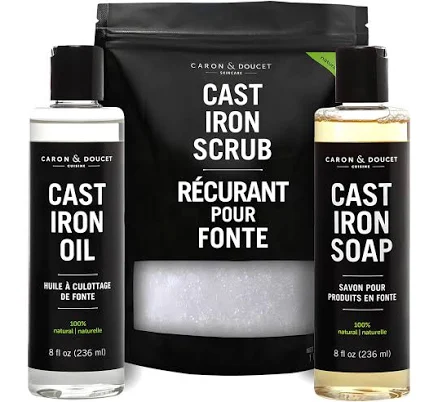
Cast Iron Ultimate Bundle
- cast iron, bare or seasoned with the brand
- We found no PFAS statement from the brand
- Iron leaching into food
2 hazards checked on this product, all on its full breakdown.
More cast iron cookware seasoning & oil grades
How we score, every product runs through the same public 0-100 rubric based on materials, coatings, brand disclosure, lab findings, and recalls. See the full methodology → Spotted a mistake? Report an error.