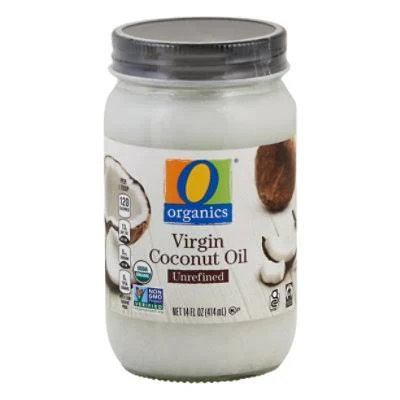
Coconut Oil · Cast Iron Cookware Seasoning & Oil
O Organics O Organic Coconut Oil Virgin Unrefined
Lower concern. Virgin coconut oil is not a material linked to PFAS.
Material as recorded is virgin coconut oil, a food product with no coating or water-repellent finish on record. The brand has no PFAS statement on record.
The better-graded swap
Crisbee
Stik Cast Iron Seasoning
85/100 safety
Same rubric that flunked this product. The swap earned Excellent.
Still want this one anyway? Check the price on Amazon. We’d swap it.
Material
Virgin coconut oil, food product
Brand disclosure
Brand is silent on PFAS
Lab data
No public lab test
You may also be interested in
Top-graded picks in the categories readers replace first, every one scored on the same rubric.

- polypropylene filter housing, carbon/sediment cartridge
- We found no PFAS statement from the brand
- Bacterial growth in spent cartridges
3 hazards checked on this product, all on its full breakdown.

Aquasure
Premier Series 75 GPD Under Sink Reverse Osmosis Water Filtration System
- RO membrane, carbon filters, stainless steel housing
- We found no PFAS statement from the brand
- Bacterial and microbial growth in housing and filters
4 hazards checked on this product, all on its full breakdown.

Avocado
Vegan Mattress
- organic cotton, natural latex, coconut coir, recycled steel coils
- The brand calls it PFAS-free, which we have not verified
- Heavy metals
2 hazards checked on this product, all on its full breakdown.
What O Organics O Organic Virgin Unrefined is made of, ingredients and materials
O Organics Virgin Coconut Oil is cold-pressed coconut meat with minimal processing and no chemical extraction solvents. Unlike refined coconut oil, it retains the natural plant matrix and antioxidants from the source. As a bare food product rather than a coating or synthetic material, it does not introduce processing by-products or reactive compounds into cooking. The main chemical component is lauric acid and other medium-chain triglycerides, which are stable fats.
What’s concerning
No PFAS disclosure
No public statement from the brand about PFAS in this product.
Category baseline
The starting point for this type of product, before anything specific to this product is counted.
Microbial contamination (mold, aflatoxins)
Coconut products can accumulate aflatoxins during storage if exposed to moisture or warm conditions. Organic certification does not include specific mycotoxin testing; no public record of contamination in this product exists, but the risk is inherent to coconut sourcing and storage.
Oxidation and rancidity (free radicals)
Unrefined coconut oil contains unsaturated fats and polyphenols that oxidize over time, especially if stored improperly. While oxidation is a quality issue rather than acute toxicity, prolonged consumption of rancid oil may introduce oxidative stress; this is a handling and storage concern, not a manufacturing defect.
What’s reassuring
Base material not linked to PFAS
The main material recorded for this product is not one associated with PFAS.
Lead
Coconut palms can accumulate cadmium and lead from soil, particularly in tropical regions with contaminated groundwater. No specific test results or recalls for O Organics coconut oil indicate heavy-metal problems; organic farming standards address some soil-quality practices but do not mandate heavy-metal testing.
Source, ATSDR ↗Allergen cross-contact (tree nut)
Coconut is botanically a drupe, not a true tree nut, and major allergen labeling does not classify it as such. No established cross-reactivity with tree-nut allergies is supported by consensus; individuals with severe nut allergies should consult a clinician, but coconut oil itself carries no documented recall history for allergen contamination.
Pesticide residue
This product carries USDA organic certification, which prohibits synthetic pesticides during cultivation and processing. Organic certification does not eliminate all pesticide risk but substantially reduces it compared to conventional coconut oil; no specific residue testing results are publicly available for this brand.
Source, EPA ↗How is this PFAS grade calculated?
The brand's record and disclosure
O Organics is the Albertsons house brand with organic certification (USDA), which requires third-party auditing of production and absence of synthetic pesticides. The brand does not publicly disclose specific heavy-metal or contaminant testing for individual products. No product recalls or safety controversies specific to this coconut oil are on record. Organic certification provides moderate assurance of agricultural practices but does not guarantee testing for all food-safety hazards.
How it compares in its category
Coconut oil as a cooking medium is chemically distinct from ceramic-coated, non-stick, or stainless-steel cookware products typically evaluated in this category. It is a food ingredient, not a cooking surface, so traditional cookware hazards like Teflon-type coating fume risk, lead in glazes, or aluminum leaching do not apply. Coconut oil has a smoke point around 350F (unrefined), suitable for low-to-medium heat cooking; it degrades less readily than polyunsaturated oils when heated moderately.
If you buy it
Keep coconut oil in a cool, dark place to prevent oxidation and rancidity; unrefined versions are more prone to flavor degradation than refined. Do not use for high-heat cooking above 350F, as the oil will smoke and break down. Check the expiration date and smell for rancidity before each use; coconut oil stored improperly for over a year may develop off-flavors. Ensure the lid seals tightly to exclude moisture and air, which promote degradation.
What is not known about PFAS in this product?
- Basis
- Model estimate, 92% confidence, not a lab result
- Lab test
- None on record for this exact product
- Brand statement
- Coconut Oil has made none
Formulations change between production runs, so check the current label. How we grade.
What are the PFAS-free alternatives to O Organics O Organic Coconut Oil Virgin Unrefined?
- Organic waxes and oils blend
- We found no PFAS statement from the brand
- Oil rancidity and off-gassing
2 hazards checked on this product, all on its full breakdown.
- mineral oil and soy-based oil blend
- Aerosol inhalation (mineral oil mist)
3 hazards checked on this product, all on its full breakdown.
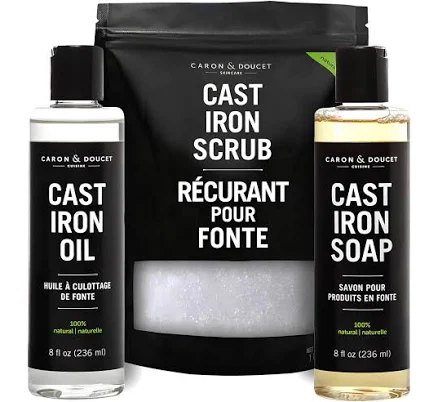
Cast Iron Ultimate Bundle
- cast iron, bare or seasoned with the brand
- We found no PFAS statement from the brand
- Iron leaching into food
2 hazards checked on this product, all on its full breakdown.
More cast iron cookware seasoning & oil grades
How we score, every product runs through the same public 0-100 rubric based on materials, coatings, brand disclosure, lab findings, and recalls. See the full methodology → Spotted a mistake? Report an error.