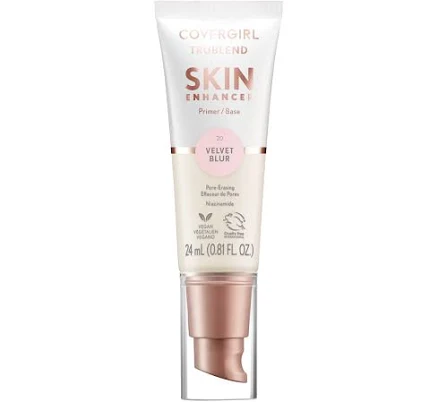
CoverGirl · Foundation & Primer
CoverGirl TruBlend Skin Enhancer Primer
Lower concern. Primer lacks PFAS-risk features typical of cosmetics.
Liquid primer with water, silicones, and pigments. No waterproofing claims or Teflon-family coating indicators. CoverGirl has not disclosed PFAS policy for this product.
We flunk more products than we pass. This one earned its grade. How we grade
Material
silicones, glycerin, water, pigments
Brand disclosure
Brand is silent on PFAS
Lab data
No public lab test
You may also be interested in
Top-graded picks in the categories readers replace first, every one scored on the same rubric.

- polypropylene filter housing, carbon/sediment cartridge
- We found no PFAS statement from the brand
- Bacterial growth in spent cartridges
3 hazards checked on this product, all on its full breakdown.

Aquasure
Premier Series 75 GPD Under Sink Reverse Osmosis Water Filtration System
- RO membrane, carbon filters, stainless steel housing
- We found no PFAS statement from the brand
- Bacterial and microbial growth in housing and filters
4 hazards checked on this product, all on its full breakdown.

Avocado
Vegan Mattress
- organic cotton, natural latex, coconut coir, recycled steel coils
- The brand calls it PFAS-free, which we have not verified
- Heavy metals
2 hazards checked on this product, all on its full breakdown.
What CoverGirl TruBlend Skin Enhancer Primer is made of, ingredients and materials
TruBlend Skin Enhancer Primer is formulated primarily with silicones (likely dimethicone), glycerin, and water. Silicones are inert polymers that sit on skin without significant absorption, making them chemically inert compared to oil-based or highly volatile primers. Glycerin is a humectant with no established toxicity at cosmetic use levels. The pigments added for coverage are the main exposure variable; iron oxides and mica are mineral pigments with low toxicity, though some formulations may include synthetic colorants that warrant individual scrutiny.
What’s concerning
Category baseline
The starting point for this type of product, before anything specific to this product is counted.
No PFAS disclosure
No public statement from the brand about PFAS in this product.
Fragrance and fragrance allergens
TruBlend Skin Enhancer Primer ingredient lists vary by retailer; some formulations may include fragrance or essential oils listed generically. Fragrance allergens (limonene, geraniol, linalool) are not uncommon in cosmetics and can trigger contact dermatitis in sensitive individuals, though incidence is low in the general population.
Silicone occlusion and skin comedogenicity
Dimethicone and silicone polymers are occlusive and non-comedogenic for most users, but individuals with acne-prone or congestion-sensitive skin may experience increased breakouts. This is a use-dependent reaction, not a toxicological hazard, but merits individual testing before full-face daily use.
What’s reassuring
Base material not linked to PFAS
The main material recorded for this product is not one associated with PFAS.
Synthetic colorants and iron oxide pigments
CoverGirl does not disclose specific pigment sourcing or heavy metal testing. Iron oxides and mica are low-toxicity mineral pigments with no established contamination history in this brand; synthetic azo dyes are not typical in primers but not explicitly ruled out without full ingredient disclosure.
Formaldehyde / VOCs
Primers with silicone and glycerin bases do not typically require formaldehyde-releasing preservatives (common in water-rich products). No public alerts or recalls link TruBlend to formaldehyde contamination or preservative irritation.
Source, ATSDR ↗Heavy metals
FDA-approved colorants and iron oxides used in cosmetics are subject to contamination limits, but CoverGirl does not publish heavy metal test reports. Standard FDA oversight applies; no brand-specific lead, cadmium, or arsenic violations are on record for this product line.
Source, FDA ↗How is this PFAS grade calculated?
The brand's record and disclosure
CoverGirl (owned by Coty Inc.) does not publish detailed ingredient safety or third-party certifications for this product line. The brand has no established public recalls or safety controversies specific to TruBlend primers. CoverGirl maintains standard FDA compliance for cosmetics but does not advertise hypoallergenic, dermatologist-tested, or clean-label positioning for this primer, suggesting it is positioned as a mainstream cosmetic without specialty safety claims or transparency beyond regulatory baseline.
How it compares in its category
Silicone-based primers dominate the mass-market category and carry lower hazard profiles than water-based or oil-based alternatives, which may contain preservatives (like parabens or phenoxyethanol) or botanical oils linked to sensitization. TruBlend is typical for the drugstore primer segment in terms of ingredient simplicity and lack of disclosed third-party testing. Specialty primers marketed as clean or natural often carry higher price points but not necessarily superior safety profiles; silicone inertness is a material advantage shared across the category.
If you buy it
Perform a patch test on inner arm or ear before full face application, especially if you have sensitive or acne-prone skin, as silicone occlusion can trigger congestion in susceptible individuals. Apply sparingly (pea-sized amount) and blend well to avoid thick buildup that may trap sweat or bacteria. Store away from direct heat and sunlight to prevent pigment or polymer degradation. Discontinue use if redness, itching, or rash develops within 48 hours of application.
What is not known about PFAS in this product?
- Basis
- Model estimate, 72% confidence, not a lab result
- Lab test
- None on record for this exact product
- Brand statement
- CoverGirl has made none
Formulations change between production runs, so check the current label. How we grade.
What are the PFAS-free alternatives to CoverGirl TruBlend Skin Enhancer Primer?
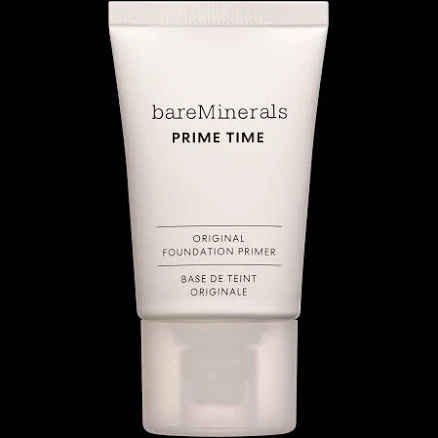
- mineral powder, silicones, mica
- The brand calls it PFAS-free, which we have not verified
- Fragrance allergen sensitization
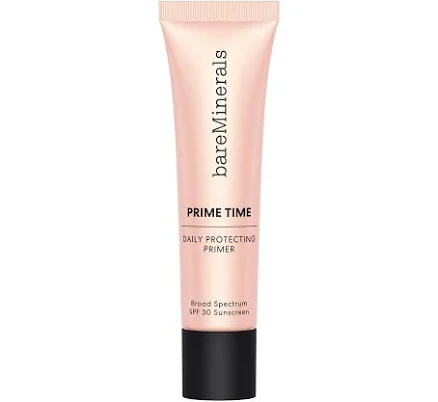
- mineral powder, silica, mica, talc
- The brand calls it PFAS-free, which we have not verified
- Talc inhalation
2 hazards checked on this product, all on its full breakdown.
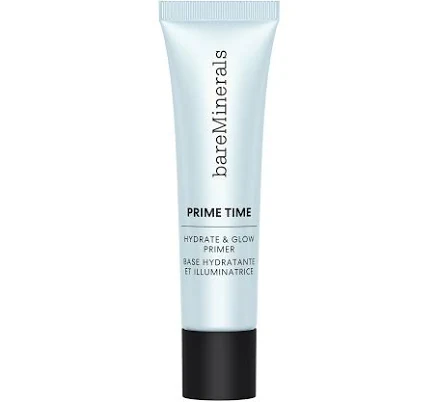
- mineral pigments, glycerin, plant extracts, silicones
- The brand calls it PFAS-free, which we have not verified
- Fragrance allergens and undisclosed fragrance components
2 hazards checked on this product, all on its full breakdown.
More foundation & primer grades
How we score, every product runs through the same public 0-100 rubric based on materials, coatings, brand disclosure, lab findings, and recalls. See the full methodology → Spotted a mistake? Report an error.