Crisco · Fabric Stain Guard Sprays
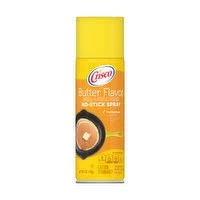
Crisco Butter Flavor No-Stick Cooking Spray
Low risk cooking spray aerosol, not nonstick cookware.
This hydrocarbon propellant and oil-based spray lacks fluorinated nonstick coating. No public PFAS disclosures or independent testing exists for this product.
We flunk more products than we pass. This one earned its grade. How we grade
Material
Hydrocarbon propellant and oil-based spray
Brand disclosure
Brand is silent on PFAS
Lab data
No public lab test
You may also be interested in
Top-graded picks in the categories readers replace first, every one scored on the same rubric.

Aqua Pure
3M Aqua-Pure AP802B Whole House Filter Housing
- polypropylene filter housing, carbon/sediment cartridge
- We found no PFAS statement from the brand
- Bacterial growth in spent cartridges
3 hazards checked on this product. See all of them.

Aquasure
Premier Series 75 GPD Under Sink Reverse Osmosis Water Filtration System
- RO membrane, carbon filters, stainless steel housing
- We found no PFAS statement from the brand
- Bacterial and microbial growth in housing and filters
4 hazards checked on this product. See all of them.

Avocado
Vegan Mattress
- organic cotton, natural latex, coconut coir, recycled steel coils
- The brand calls it PFAS-free, which we have not verified
- Heavy metals
2 hazards checked on this product. See all of them.
What Crisco Butter Flavor No-Stick Cooking is made of, ingredients and materials
Crisco Butter Flavor No-Stick Cooking Spray is an aerosol emulsion of soybean oil, lecithin, and natural butter flavor, propelled by hydrocarbon gas (typically propane/isobutane blend). Unlike nonstick cookware, this spray does not contain Teflon-type coating (Teflon) or other Teflon-family coating coatings, so thermal degradation of fluorinated compounds is not a concern. The oil base is food-approved and breaks down normally in the digestive system; lecithin is an emulsifier already present in many processed foods.
What’s concerning
Category baseline
The starting point for this type of product, before anything specific to this product is counted.
No PFAS disclosure
No public statement from the brand about PFAS in this product.
Hydrocarbon propellant inhalation (acute respiratory irritation)
Short-term inhalation of propane/isobutane mist can cause mild throat irritation or dizziness in poorly ventilated kitchens. Risk is low with typical single-meal use but cumulative with frequent exposure in commercial kitchens.
Propellant ignition hazard
Hydrocarbon propellants are flammable. Cases of spray ignition near gas flames or hot stovetops have been documented in consumer reports; this is a misuse rather than product defect but remains a real hazard if instructions are not followed.
Oil oxidation and rancidity (minor ingestion risk)
Soybean oil in aerosol form has extended shelf life but can oxidize if stored in warm conditions, producing off-flavors or minor gastric upset if ingested in quantity. Expiration dating on cans is typically 1-2 years.
Lecithin allergen potential
Lecithin is generally recognized as safe, but sourcing (often soy-derived) means potential cross-reactivity for soy-allergic individuals. Crisco does not segregate allergen-free batches for this product.
What’s reassuring
Base material not linked to PFAS
The main material recorded for this product is not one associated with PFAS.
Aerosolized particle deposition in lungs (chronic low-level exposure)
No peer-reviewed studies document chronic lung pathology from home cooking spray use at normal frequencies. Occupational exposure in commercial kitchens has not been formally evaluated in published epidemiology.
The full breakdown
The brand's record and disclosure
Crisco (owned by Smucker) maintains ingredient transparency on packaging and does not highlight PFAS because hydrocarbon propellant aerosols do not require intentional PFAS addition. The brand has no major recalls specific to this product in FDA or CPSC records as of recent years. Crisco has not pursued organic or non-GMO certification, reflecting its focus on affordable, conventional food-service products rather than premium positioning.
How it compares in its category
Cooking spray aerosols are the fastest-growing cookware aid category, with most major brands (PAM, Wesson, store-brand equivalents) using nearly identical formulations, oil plus lecithin plus hydrocarbon propellant. This product is functionally equivalent to competitors; choice is mainly cost and flavor preference. Alternatives like brush-applied oil or solid shortening avoid inhalation of aerosolized particles but require more cleanup and offer less coverage per use.
If you buy it
Use in well-ventilated areas to avoid inhaling propellant mist, especially if cooking multiple meals in rapid succession. Do not spray directly onto open flame or into ovens above 400°F; the propellant can ignite. Replace the can if the nozzle clogs or spray becomes uneven, as degraded propellant systems are less predictable. Store in a cool, dry place away from heat sources; aerosol cans can rupture if exposed to temperatures above 120°F.
What we don’t know
- Basis
- Model estimate, 78% confidence, not a lab result
- Lab test
- None on record for this exact product
- Brand statement
- Crisco has made none
Formulations change between production runs, so check the current label. How we grade.
More fabric stain guard sprays grades
How we score, every product runs through the same public 0-100 rubric based on materials, coatings, brand disclosure, lab findings, and recalls. See the full methodology → Spotted a mistake? Report an error.