Crisco · Fabric Stain Guard Sprays
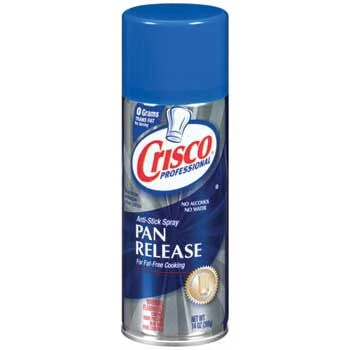
Crisco Pan Release Spray
Low risk cooking oil spray without typical PFAS involvement.
This spray contains primarily soybean and mineral oil, materials not typically associated with PFAS. The brand makes no PFAS claims or disclosures.
Still want this one anyway? Check the price on Amazon. We’d swap it.
Material
Soybean oil and mineral oil blend
Brand disclosure
Brand is silent on PFAS
Lab data
No public lab test
You may also be interested in
Top-graded picks in the categories readers replace first, every one scored on the same rubric.

Aqua Pure
3M Aqua-Pure AP802B Whole House Filter Housing
- polypropylene filter housing, carbon/sediment cartridge
- We found no PFAS statement from the brand
- Bacterial growth in spent cartridges
3 hazards checked on this product. See all of them.

Aquasure
Premier Series 75 GPD Under Sink Reverse Osmosis Water Filtration System
- RO membrane, carbon filters, stainless steel housing
- We found no PFAS statement from the brand
- Bacterial and microbial growth in housing and filters
4 hazards checked on this product. See all of them.

Avocado
Vegan Mattress
- organic cotton, natural latex, coconut coir, recycled steel coils
- The brand calls it PFAS-free, which we have not verified
- Heavy metals
2 hazards checked on this product. See all of them.
What Crisco Pan Release Spray is made of, ingredients and materials
Crisco Pan Release is a blend of soybean oil and mineral oil, plus lecithin (an emulsifier) and propellant. Soybean oil is food-safe and commonly used in cooking products; mineral oil is a refined petroleum derivative approved for food contact by the FDA. The propellant system (typically hydrocarbon-based) is standard in aerosol cooking sprays. This formulation is designed to withstand typical stovetop and oven temperatures without degrading into harmful compounds.
What’s concerning
Category baseline
The starting point for this type of product, before anything specific to this product is counted.
No PFAS disclosure
No public statement from the brand about PFAS in this product.
Propellant thermal decomposition
Hydrocarbon propellants in aerosol sprays can degrade or ignite if the canister is exposed to sustained high heat (above 120F) or direct flame. Not a concern during normal use on room-temperature cookware before heating, but do not apply to actively hot pans or store near stove heat sources.
Lecithin allergen (soy)
Lecithin, derived from soybean, is present in this product. Individuals with documented soy allergy should avoid or use with caution, though lecithin is often highly refined and low-allergenic. Not labeled as an allergen on most commercial cooking sprays.
Coating buildup and residue
Repeated applications without cookware cleaning can lead to darkened, sticky residue buildup that traps food particles and may become difficult to remove. This is a usability and food-quality issue rather than a direct toxicity hazard, but prolonged buildup can harbor bacteria if cookware is not washed thoroughly.
What’s reassuring
Base material not linked to PFAS
The main material recorded for this product is not one associated with PFAS.
Mineral oil ingestion via residue
Mineral oil in food-contact cooking sprays is FDA-approved and present at negligible levels in the final coated surface. No established evidence of harm from incidental ingestion of mineral oil residue at typical spray-application rates, though heavy overuse could theoretically increase minor mineral oil intake.
Canister structural integrity over time
Metal aerosol canisters are generally durable, but internal corrosion from moisture or prolonged storage can rarely lead to leaks or loss of pressure seal. No specific recalls or widespread failures reported for Crisco Pan Release, but inspect canisters for dents or rust before purchase.
The full breakdown
The brand's record and disclosure
Crisco (owned by J.M. Smucker Company) does not publicly disclose PFAS testing or make explicit PFAS-free claims on this product. The brand has not faced major recalls or safety controversies specific to Pan Release Spray. As a mainstream consumer product, it is subject to FDA food-contact substance oversight, but transparency on PFAS presence or testing is absent from publicly available materials.
How it compares in its category
Cooking sprays are a middle-ground choice between oil-in-aerosol and butter-based alternatives. Crisco Pan Release is a conventional formulation; some competitors market PFAS-free or organic oil sprays as premium alternatives. Non-aerosol oil bottles (olive, avocado, or coconut oil) eliminate propellant concerns but require manual application and offer less even coating.
If you buy it
Use on cookware preheated to moderate temperatures (under 400F for extended exposure) to avoid aerosol propellant degradation. Replace the canister every 1-2 years or once flow becomes inconsistent, as propellant loss or residue buildup can affect deposit quality. Shake well before use to ensure even emulsification. Store in a cool, dry place away from direct heat or sunlight to maintain propellant stability.
What we don’t know
- Basis
- Model estimate, 72% confidence, not a lab result
- Lab test
- None on record for this exact product
- Brand statement
- Crisco has made none
Formulations change between production runs, so check the current label. How we grade.
More fabric stain guard sprays grades
How we score, every product runs through the same public 0-100 rubric based on materials, coatings, brand disclosure, lab findings, and recalls. See the full methodology → Spotted a mistake? Report an error.