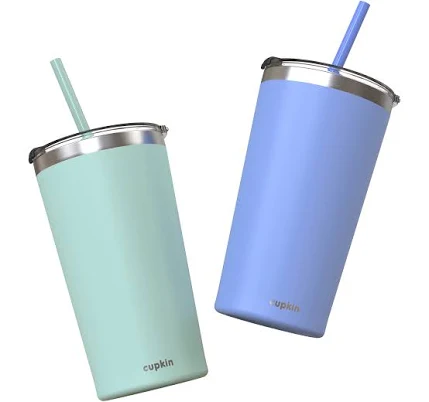
CUPKIN · Insulated Drink Tumblers
CUPKIN Stainless Steel Insulated Tumbler with Lid and Straw
Lower concern based on material composition and no identified PFAS-linked treatments.
The stainless steel body is not a material linked to PFAS. The lid and straw are standard plastic with no water-repellent finish on record. The brand has no PFAS statement on record.
We flunk more products than we pass. This one earned its grade. How we grade
Material
stainless steel body, standard plastic lid and straw
Brand disclosure
Brand is silent on PFAS
Lab data
No public lab test
You may also be interested in
Top-graded picks in the categories readers replace first, every one scored on the same rubric.

- polypropylene filter housing, carbon/sediment cartridge
- We found no PFAS statement from the brand
- Bacterial growth in spent cartridges
3 hazards checked on this product, all on its full breakdown.

Aquasure
Premier Series 75 GPD Under Sink Reverse Osmosis Water Filtration System
- RO membrane, carbon filters, stainless steel housing
- We found no PFAS statement from the brand
- Bacterial and microbial growth in housing and filters
4 hazards checked on this product, all on its full breakdown.

Avocado
Vegan Mattress
- organic cotton, natural latex, coconut coir, recycled steel coils
- The brand calls it PFAS-free, which we have not verified
- Heavy metals
2 hazards checked on this product, all on its full breakdown.
What CUPKIN Stainless Steel Insulated Straw is made of, ingredients and materials
The CUPKIN tumbler uses a stainless steel double-wall body, which is chemically inert and does not leach metals or break down with normal use. The lid and straw are standard food-grade plastic (likely polypropylene or acrylic), which are stable at room temperature and warm beverages but can degrade if exposed to high heat or left in direct sunlight for extended periods. Stainless steel shows lower concern for interaction with acidic or basic liquids in beverage containers.
What’s concerning
No PFAS disclosure
No public statement from the brand about PFAS in this product.
Category baseline
The starting point for this type of product, before anything specific to this product is counted.
Plastic lid and straw degradation under heat
Standard food-grade plastics (likely PP or acrylic) used in lids and straws are stable at warm-beverage temperatures but may leach small amounts of monomers if repeatedly exposed to hot liquids or high dishwasher cycles. Risk is low with proper use.
Lid seal material and mold/bacterial growth if not dried
Seals and crevices in the lid can trap moisture; if the tumbler is not fully dried between uses or stored with the lid on while damp, mold or bacteria may grow. This is a use-and-maintenance issue, not a material defect.
What’s reassuring
Bare uncoated material
Recorded as a bare, uncoated material with no surface coating or treatment.
BPA & bisphenols
No reports or test data exist for CUPKIN's lid and straw plastic composition. Modern food-contact plastics are typically BPA-free, but the brand does not publicly confirm material specifications. Risk is considered standard for the category unless adverse data emerges.
Source, FDA ↗Stainless steel alloy composition and nickel leaching
Stainless steel is not a material linked to metal leaching into beverages under normal use. Nickel levels in food-grade stainless steel are negligible and regulated. No brand-specific testing or concerns are recorded.
Coating or adhesive outgassing during production or storage
Stainless steel tumblers with plastic lids may have minor plastic or rubber odors when new, which dissipate quickly with washing and airing. No volatile organic compound (VOC) emissions or adhesive-leach issues are documented for this brand.
How is this PFAS grade calculated?
The brand's record and disclosure
Cuppy has not publicly disclosed detailed material sourcing, manufacturing certifications (such as FDA food-contact compliance), or commitments to chemical safety standards. The brand's silence on PFAS and other hazard testing is typical of smaller housewares manufacturers, though it does not indicate a problem. No recalls or safety controversies for this product line are on record.
How it compares in its category
Stainless steel tumblers show lower concern compared to plastic-only bottles and perform similarly to glass on durability. Most insulated tumblers in this price range use similar plastic lids and straws, so CUPKIN is unremarkable in that respect. The lack of coating means no risk of ceramic-glaze or nonstick-layer degradation, a common concern with some branded competitors.
If you buy it
Avoid filling with boiling liquids or exposing the lid/straw to direct heat sources; use with cold or warm (not hot) beverages to minimize plastic stress. Hand wash the lid and straw rather than dishwashing, as heat cycles may accelerate degradation. Replace the straw and lid if cracking, discoloration, or plastic smell appears. The stainless steel body is durable and suited for years of use.
What is not known about PFAS in this product?
- Basis
- Model estimate, 72% confidence, not a lab result
- Lab test
- None on record for this exact product
- Brand statement
- CUPKIN has made none
Formulations change between production runs, so check the current label. How we grade.
What are the PFAS-free alternatives to CUPKIN Stainless Steel Insulated Tumbler with Lid and Straw?
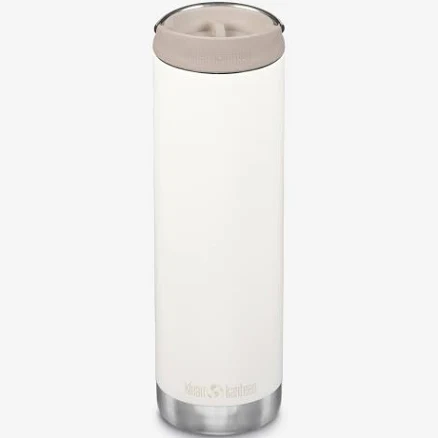
- Stainless steel bottle, stainless steel cap
- The brand calls it PFAS-free, which we have not verified
- Powder-coat cap degradation over time
3 hazards checked on this product, all on its full breakdown.
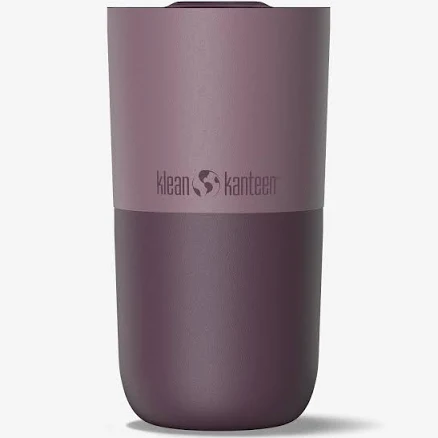
- Stainless steel body, powder-coat finish
- The brand calls it PFAS-free, which we have not verified
- Powder-coat finish degradation
3 hazards checked on this product, all on its full breakdown.
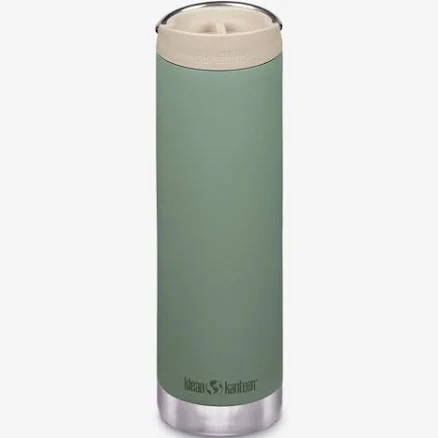
- Stainless steel bottle, plastic cap and silicone gasket
- The brand calls it PFAS-free, which we have not verified
- Silicone gasket degradation and leaching
3 hazards checked on this product, all on its full breakdown.
More insulated drink tumblers grades
How we score, every product runs through the same public 0-100 rubric based on materials, coatings, brand disclosure, lab findings, and recalls. See the full methodology → Spotted a mistake? Report an error.