Reynolds · Deli Meat & Cold Cuts Packaging
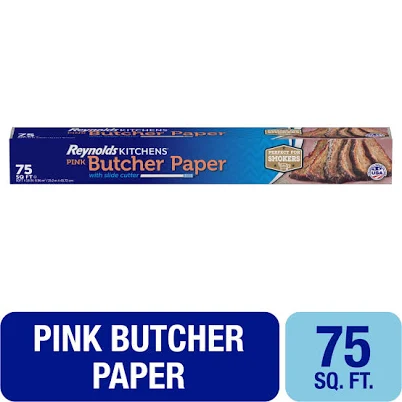
Reynolds Kitchens Butcher Paper with Slide Cutter
Butcher paper often uses PFAS for grease resistance; no disclosure available.
Butcher paper products commonly get fluorinated coatings for water and grease resistance, a typical PFAS source. Reynolds provides no public PFAS information.
The better-graded swap
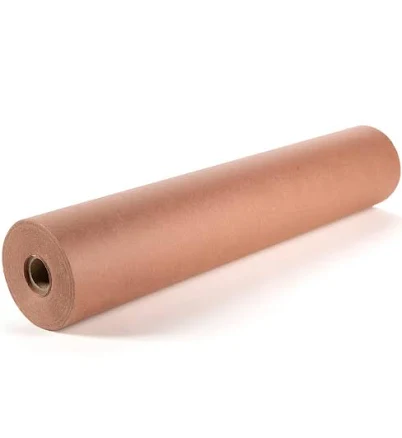
IDL Packaging
Idl Packaging White Butcher Paper 18" x 12000" Natural Butcher Paper Roll for Meat and Fish
95/100 safety
Same rubric that flunked this product. The swap earned Excellent.
Still want this one anyway? Check the price on Amazon. We’d swap it.
Material
kraft paper with grease-resistant coating
Lab data
No public lab test
What Reynolds Kitchens Butcher Paper is made of, ingredients and materials
Reynolds Kitchens Butcher Paper is kraft paper (wood pulp) with a grease-resistant coating applied to one side, allowing it to withstand contact with fatty meats and oils without deteriorating. The coating chemistry is not disclosed on packaging or in public Reynolds documentation. Kraft paper itself is minimally processed compared to bleached papers, but the coating formulation is the critical unknown, modern grease barriers often rely on fluorochemicals (PFAS) or wax/silicone alternatives. The slide-cutter feature is a mechanical convenience with no safety implication.
What’s concerning
Category baseline
The starting point for this type of product, before anything specific to this product is counted.
No PFAS disclosure
No public statement from the brand about PFAS in this product.
Waterproof / stain-resistant treatment
Water-repellent coating treatments have historically used PFAS.
PFAS
Butcher paper commonly uses PFAS-based coatings for grease resistance, but Reynolds does not disclose the formulation. PFAS can migrate into fatty foods in direct contact with the coated surface, though risk is generally low at room temperature or freezer storage.
Source, ATSDR ↗Thermal degradation of coating at high heat
If butcher paper is used to line oven racks or placed directly on hot surfaces, the grease-resistant coating may degrade and release volatile compounds or particles. Kraft paper itself can char or smoke at temperatures above 400F, and coating stability at high heat is not published by Reynolds.
What’s reassuring
Ink or dye migration from printed surface
Reynolds butcher paper typically uses food-safe inks on the uncoated (back) side. No documented migration issues or recalls have been reported for this brand or product category in standard use.
Microplastics
Butcher paper is mechanically robust and not designed to break down during typical storage or food contact. Shedding of coating particulates into food is not a documented hazard in this category under normal use conditions.
Source, EPA ↗Bleach residues or processing chemicals in kraft base
Reynolds butcher paper uses unbleached or minimally bleached kraft, which reduces residual chlorine or chlorate compounds compared to white paper products. No recalls or testing data suggest significant residual chemical risk from the paper substrate itself.
The full breakdown
The brand's record and disclosure
Reynolds Kitchens (owned by Alcoa) is a major food-packaging manufacturer but has made no public statement about PFAS presence or absence in butcher paper specifically. The company does not list PFAS-free certification on product packaging or corporate sustainability pages for this item. Reynolds has faced no major recalls or documented controversies tied to butcher paper chemistry. The silent stance on grease-resistant coating chemistry is typical for the category but limits consumer choice.
How it compares in its category
Most commercial butcher papers (Reynolds, Freezer Paper, store brands) use similar kraft-based formulations with undisclosed coatings. Uncoated kraft paper and wax-paper alternatives exist but are less grease-resistant and less convenient for retail/foodservice use. Certified PFAS-free butcher paper is not yet mainstream in grocery retail; specialty brands or butcher-sourced products may offer transparency or wax-based coatings. Reynolds dominates by brand recognition and availability, not by superior safety disclosure.
If you buy it
Use butcher paper as intended, wrapping raw or cooked meat for freezer storage or deli counter use. Do not heat or cook food directly on the coated side in an oven or on stovetop, as high heat may degrade or release coating components. Replace rolls every 12-24 months even if not fully used, as kraft can absorb moisture and weaken. If PFAS concern is primary, rotate to uncoated kraft, certified PFAS-free brands, or beeswax-paper wraps for occasional use.
What we don’t know
- Basis
- Model estimate, 45% confidence, not a lab result
- Lab test
- None on record for this exact product
- Brand statement
- Reynolds has made a specific claim
Formulations change between production runs, so check the current label. How we grade.
Better-graded alternatives in Deli Meat & Cold Cuts Packaging
IDL Packaging
White Butcher Paper 18" x 12000" Natural Butcher Paper Roll for Meat and Fish
- natural kraft butcher paper, no coating specified
- The brand calls it PFAS-free, which we have not verified
- Bleach residue and chlorine compounds
2 hazards checked on this product. See all of them.
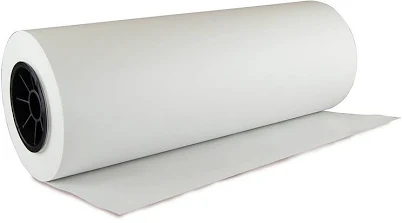
LEM
15" Freezer Paper Cutter
- stainless steel blade, bare metal construction
- We found no PFAS statement from the brand
- Blade degradation and metal particle shedding
2 hazards checked on this product. See all of them.
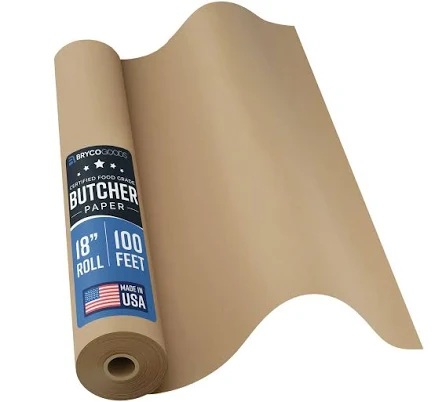
Bryco Goods
White Kraft Butcher Paper Roll 18 Inch x 175 Feet
- kraft paper, unbleached cellulose
- We found no PFAS statement from the brand
- Heavy metals
2 hazards checked on this product. See all of them.
More deli meat & cold cuts packaging grades
How we score, every product runs through the same public 0-100 rubric based on materials, coatings, brand disclosure, lab findings, and recalls. See the full methodology → Spotted a mistake? Report an error.