Dickies · Scrubs & Work Uniforms
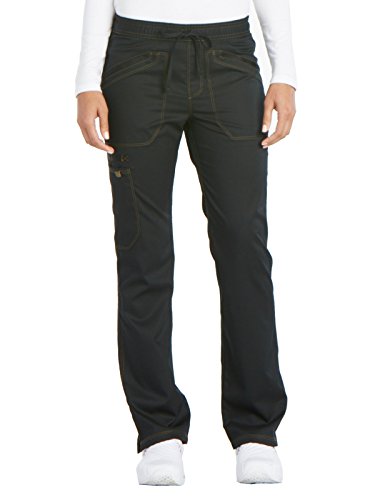
Dickies Dynamix Women's Mid Rise Straight Leg Drawstring Tall Pant
Lower concern; workwear fabric without disclosed water-repellent finish.
Dickies Dynamix pants are polyester blend workwear with no stated water-repellent or stain-resistant treatment. No PFAS disclosure found from the brand, but absence of functional finishes suggests lower PFAS risk versus treated apparel.
Still want this one anyway? Check the price on Amazon. We’d swap it.
Material
polyester blend fabric
Brand disclosure
Brand is silent on PFAS
Lab data
No public lab test
You may also be interested in
Top-graded picks in the categories readers replace first, every one scored on the same rubric.

- polypropylene filter housing, carbon/sediment cartridge
- We found no PFAS statement from the brand
- Bacterial growth in spent cartridges
3 hazards checked on this product, all on its full breakdown.

Aquasure
Premier Series 75 GPD Under Sink Reverse Osmosis Water Filtration System
- RO membrane, carbon filters, stainless steel housing
- We found no PFAS statement from the brand
- Bacterial and microbial growth in housing and filters
4 hazards checked on this product, all on its full breakdown.

Avocado
Vegan Mattress
- organic cotton, natural latex, coconut coir, recycled steel coils
- The brand calls it PFAS-free, which we have not verified
- Heavy metals
2 hazards checked on this product, all on its full breakdown.
What Dickies Dynamix Women's Mid Rise Tall Pant is made of, ingredients and materials
This pant is a polyester blend, which means it combines synthetic polyester fibers with likely cotton or another natural fiber. Polyester itself does not leach chemicals during normal wear, but the blend's manufacturing may involve residual finishes, dyes, or processing chemicals on the fabric. The drawstring and seams are also polyester, which is chemically stable at body temperature and in normal laundering. No water-repellent coating is disclosed for this product, so the primary concern is limited to any residual dyes or finishing agents from manufacture.
What’s concerning
Category baseline
The starting point for this type of product, before anything specific to this product is counted.
No PFAS disclosure
No public statement from the brand about PFAS in this product.
Formaldehyde / VOCs
Polyester workwear may retain residual formaldehyde from anti-wrinkle or anti-shrink finishes used in manufacturing. No certification of formaldehyde-free status is disclosed for this product. Pre-wash before wearing to reduce skin contact with residual finish.
Source, ATSDR ↗Azo dyes and colorant toxicity
The specific dyes used in the fabric color (navy, tan, or other) are not disclosed. Azo dyes are common in workwear textiles and some can degrade into aromatic amines under wear and washing. Risk is low under normal use; formaldehyde or heavy metal contamination in dyes is not documented for Dickies but cannot be ruled out without testing.
Pilling and microfiber shedding
Polyester blends, especially lower-cost workwear, are prone to pilling with wear and washing. Shed microfibers are ingested or inhaled in minute quantities but have not been conclusively linked to harm in casual clothing use. Washing in cold water and avoiding high-speed drying reduces pilling.
Elastic and drawstring components (polyurethane or elastane)
The drawstring and waistband elastics may contain polyurethane or spandex, which can degrade over time and release residual oligomers. Contact dermatitis or skin irritation is rare but possible in individuals with elastic sensitivities. Washing removes loose finish; replacement of worn elastic components is not practical for this price point.
What’s reassuring
Base material not linked to PFAS
The main material recorded for this product is not one associated with PFAS.
Antimony in polyester fibers
Polyester production sometimes involves antimony as a catalyst; residual antimony in finished fabric is typically below migration thresholds. No specific data on antimony levels in Dickies polyester blend is on record, and skin migration risk from workwear is considered negligible under standard wearing conditions.
How is this PFAS grade calculated?
The brand's record and disclosure
Dickies does not publicly disclose formaldehyde-free certifications, chemical supplier audits, or restricted substance lists specific to this product line. The brand does not advertise toxicology or material safety data for garments. No major recalls or documented chemical hazards have been reported for Dickies workwear in public health databases. The company's silence on chemical inputs is typical for mid-market workwear brands and does not indicate a known problem, but transparency is limited.
How it compares in its category
Polyester workwear blends are the standard for durability and cost in women's stretch pants. This product sits in the mainstream; it does not use known hazardous treatments like durable water repellents or antimicrobial finishes that would elevate risk. Comparable brands (Carhartt, Red Kap, Wrangler workwear) make similar material choices with similar disclosure gaps. The absence of marketed special finishes actually reduces exposure to treatment chemicals compared to performance-marketed alternatives.
If you buy it
Wash before first wear to remove residual dyes and finishes from manufacturing. Use warm water, standard detergent, and dry on low or air dry; high heat is unnecessary and may degrade polyester elasticity over time. Inspect seams and waistband annually for pilling or wear; replace when structural integrity is compromised. Store dry and away from direct sunlight to slow fading and fiber breakdown.
What is not known about PFAS in this product?
- Basis
- Model estimate, 72% confidence, not a lab result
- Lab test
- None on record for this exact product
- Brand statement
- Dickies has made none
Formulations change between production runs, so check the current label. How we grade.
More scrubs & work uniforms grades
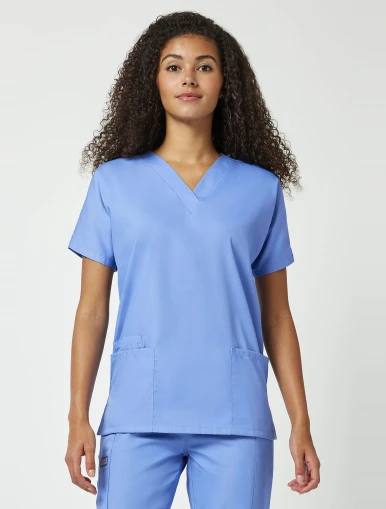 65Cherokee V-Neck Scrub Top for Women with 3 Pockets & Dolman Sleeve - 4700
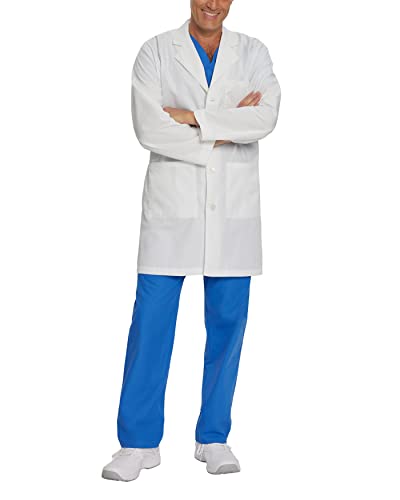 65Landau Men's Lab Coat - 65% Poly/35% Combed Cotton 5 Buttons
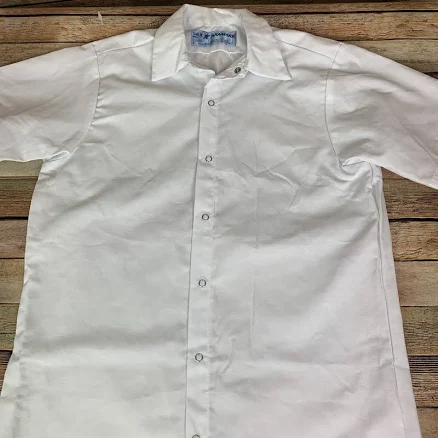 65Aramark Uniform Work Shirt Employee Short Sleeve White Snap Button Up
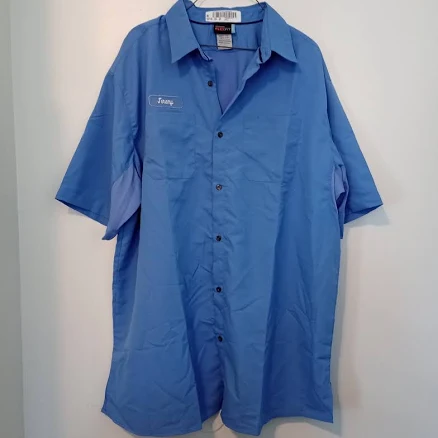 65Men’s 2xl Aramark Flexfit Uniform Work Shirt Blue
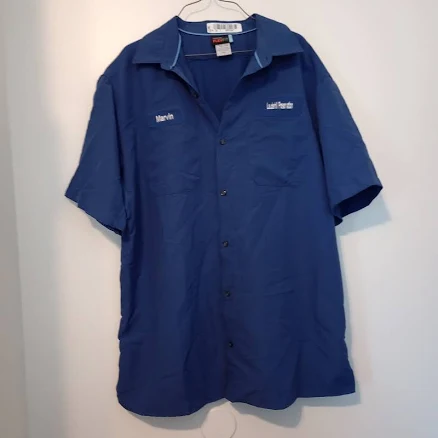 65Xl Aramark Flexfit Blue Work Shirt Short Sleeve Uniform
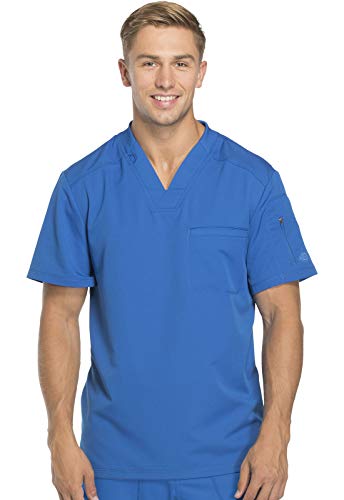 65Dickies Forge Men's 3-Pocket V-Neck Scrub Top
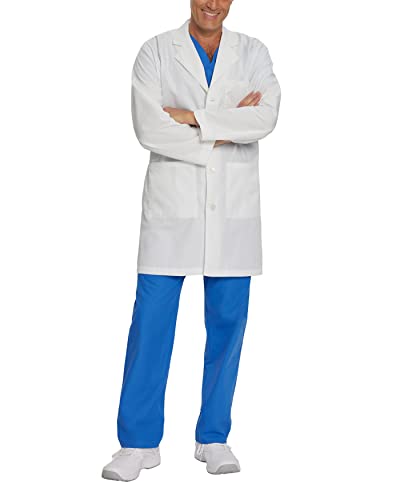 65Landau Men's Lab Coat - 100% Cotton Super Twill
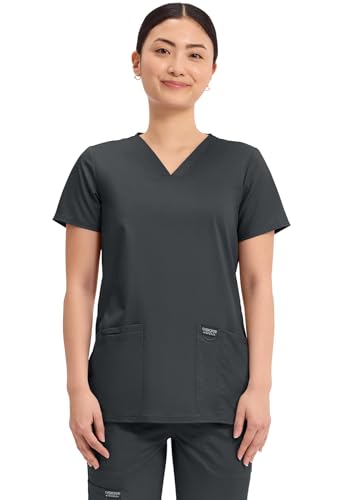 65Cherokee Workwear Originals Ultra Women's 2-Pocket V-Neck Scrub Top
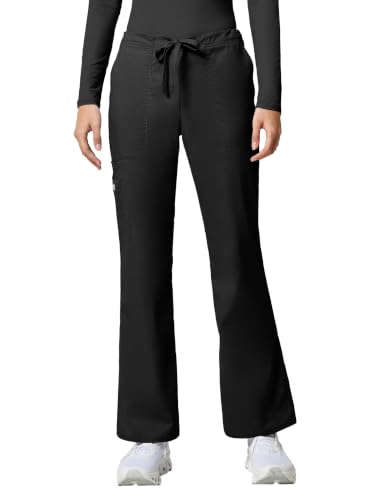 65Cherokee Workwear Women's 3-Pocket Flare Leg Drawstring Scrub Pants
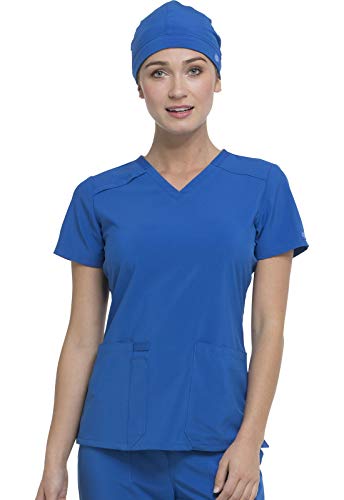 65Dickies EDS Essentials Unisex STRETCH Inner Terrycloth Scrub HatCompare vs Dickies →All scrubs & work uniforms →
How we score, every product runs through the same public 0-100 rubric based on materials, coatings, brand disclosure, lab findings, and recalls. See the full methodology → Spotted a mistake? Report an error.