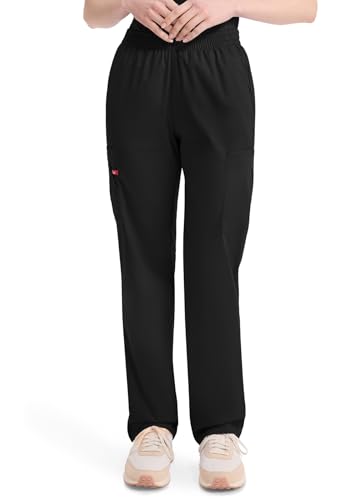
Dickies · Scrubs & Work Uniforms
Dickies EDS Signature Women's Missy Fit Pull-On Scrub Pant
Lower concern; standard scrub fabric without reported treatments.
Dickies EDS scrubs use a polyester-cotton blend with no disclosed water-repellent or stain-resistant finish. Brand makes no PFAS claims either way.
Still want this one anyway? Check the price on Amazon. We’d swap it.
Material
65% polyester, 35% cotton blend
Brand disclosure
Brand is silent on PFAS
Lab data
No public lab test
You may also be interested in
Top-graded picks in the categories readers replace first, every one scored on the same rubric.

- polypropylene filter housing, carbon/sediment cartridge
- We found no PFAS statement from the brand
- Bacterial growth in spent cartridges
3 hazards checked on this product, all on its full breakdown.

Aquasure
Premier Series 75 GPD Under Sink Reverse Osmosis Water Filtration System
- RO membrane, carbon filters, stainless steel housing
- We found no PFAS statement from the brand
- Bacterial and microbial growth in housing and filters
4 hazards checked on this product, all on its full breakdown.

Avocado
Vegan Mattress
- organic cotton, natural latex, coconut coir, recycled steel coils
- The brand calls it PFAS-free, which we have not verified
- Heavy metals
2 hazards checked on this product, all on its full breakdown.
What Dickies EDS Signature Women's Scrub Pant is made of, ingredients and materials
This pant is 65% polyester and 35% cotton. Polyester is a synthetic polymer that does not leach chemicals into skin under normal wearing conditions, though it can shed microfibers during washing. The cotton content reduces reliance on synthetics and improves breathability, common in medical scrubs where comfort during long shifts matters. Neither material requires special coatings for basic function, so the hazard profile is primarily determined by dyes and finishing treatments applied during manufacturing.
What’s concerning
Category baseline
The starting point for this type of product, before anything specific to this product is counted.
No PFAS disclosure
No public statement from the brand about PFAS in this product.
Azo dyes and color-fastness
Dickies has not published dye testing data for this product. Standard polyester-cotton scrubs often use azo dyes, which are regulated but not prohibited in the US; no specific recall or complaint regarding this product exists. Pre-wash reduces loose dyes and is prudent practice.
Formaldehyde / VOCs
Many scrub blends are finished with formaldehyde-based resins to reduce wrinkles and shrinkage. Dickies EDS does not advertise a wrinkle-free finish, suggesting minimal or no resin treatment, but this is not confirmed. Any residual formaldehyde would off-gas primarily during manufacturing and wash; consumer exposure is low.
Source, ATSDR ↗Microfiber shedding
Polyester garments shed microfibers during washing, a documented phenomenon in laundered textiles. This is not a skin hazard but an environmental concern; cold-water washing and mesh wash bags reduce shedding.
What’s reassuring
Base material not linked to PFAS
The main material recorded for this product is not one associated with PFAS.
Antimony in polyester
Antimony trioxide is a catalyst used in some polyester production and can remain as trace residue. No established reports link Dickies scrabs to antimony contamination, and the polyester-cotton blend includes 35% cotton which reduces overall synthetic content.
Heavy metals
This product is a plain solid-color pant with no screen print or embellishment noted. No metal pigment concern is indicated unless the product includes decorative printing, which is not described in the known context.
Source, FDA ↗How is this PFAS grade calculated?
The brand's record and disclosure
Dickies has not published detailed chemical safety disclosures or third-party certifications (such as OEKO-TEX or GOTS) for this product line. The brand does not explicitly market these scrubs as tested for heavy metals, azo dyes, or formaldehyde resins. No significant recalls or safety controversies tied to Dickies scrubs have been established in public records. Absence of disclosure does not indicate presence of hazards, but transparency on chemical inputs remains limited.
How it compares in its category
Medical scrubs are a commodity category; Dickies EDS is a mainstream, cost-conscious offering comparable to Landau, Cherokee, and store brands in retail hospitals. Most scrubs in this price range lack specific certifications and rely on standard industrial dyeing and finishing. Higher-priced alternatives (Figs, Jaanuu) sometimes cite fabric testing and restricted-chemical standards, making them alternatives if chemical disclosure is a priority. Dickies EDS occupies the middle ground, no red flags, but limited transparency.
If you buy it
Wash in cool to warm water before first wear to reduce loose dyes and finishes. Use standard laundry detergent; no special treatment is needed. Polyester-cotton blends are durable and machine-washable at normal settings; avoid high heat drying, which can degrade fibers and create microfiber shedding. Replace when elastic waistbands lose tension or seams show wear, typically after 50-100 washes. Skin contact with the fabric itself poses no known chemical risk under routine conditions.
What is not known about PFAS in this product?
- Basis
- Model estimate, 72% confidence, not a lab result
- Lab test
- None on record for this exact product
- Brand statement
- Dickies has made none
Formulations change between production runs, so check the current label. How we grade.
More scrubs & work uniforms grades
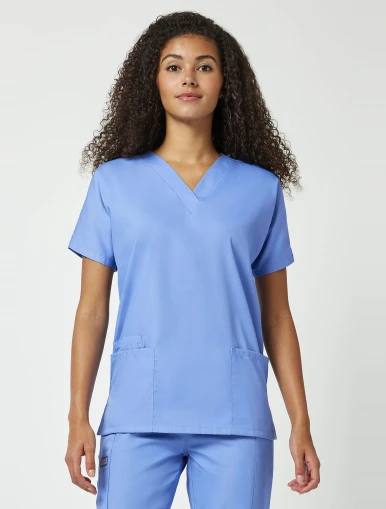 65Cherokee V-Neck Scrub Top for Women with 3 Pockets & Dolman Sleeve - 4700
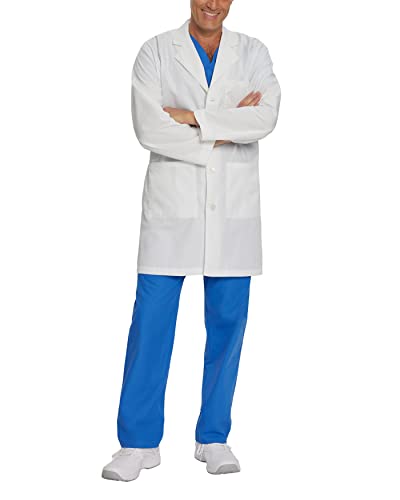 65Landau Men's Lab Coat - 65% Poly/35% Combed Cotton 5 Buttons
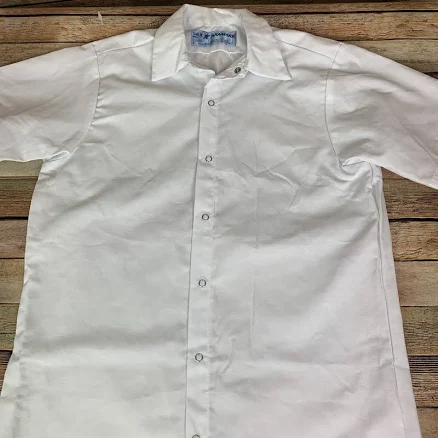 65Aramark Uniform Work Shirt Employee Short Sleeve White Snap Button Up
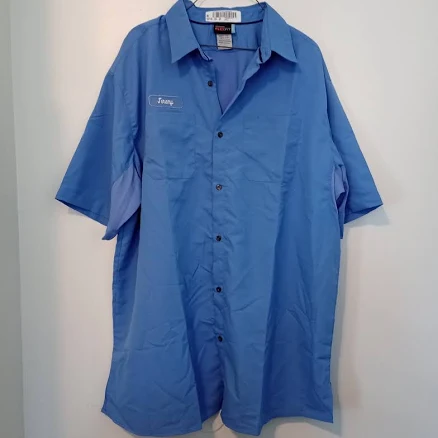 65Men’s 2xl Aramark Flexfit Uniform Work Shirt Blue
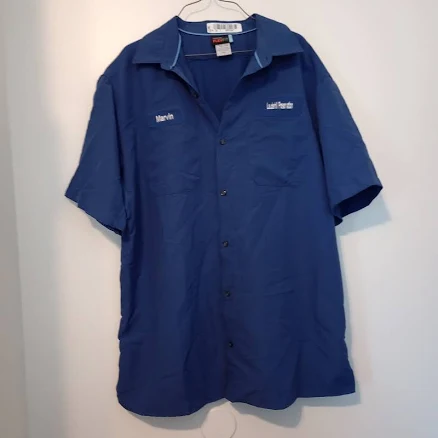 65Xl Aramark Flexfit Blue Work Shirt Short Sleeve Uniform
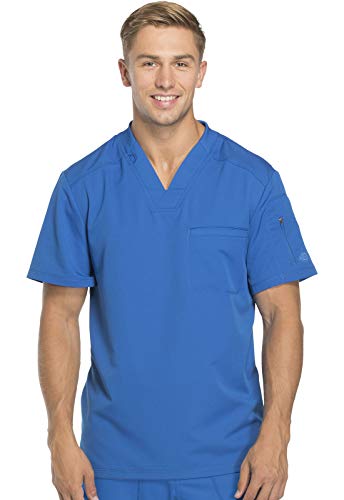 65Dickies Forge Men's 3-Pocket V-Neck Scrub Top
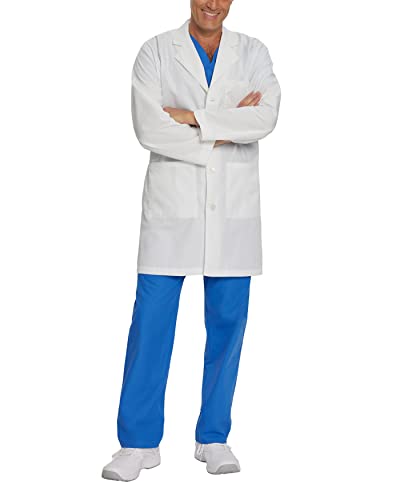 65Landau Men's Lab Coat - 100% Cotton Super Twill
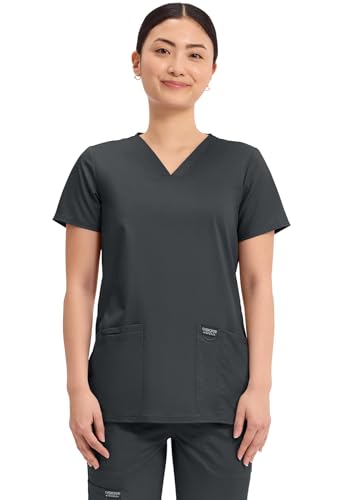 65Cherokee Workwear Originals Ultra Women's 2-Pocket V-Neck Scrub Top
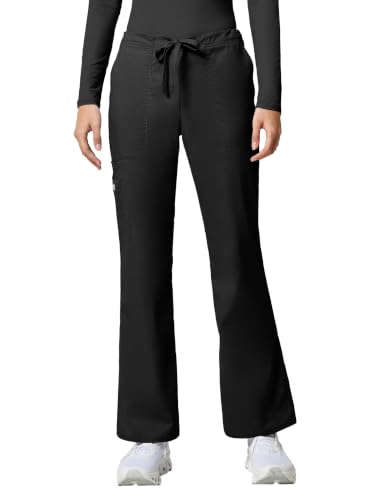 65Cherokee Workwear Women's 3-Pocket Flare Leg Drawstring Scrub Pants
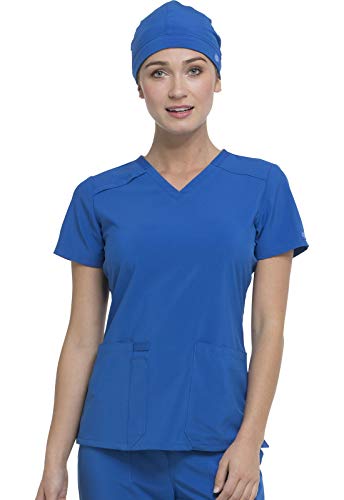 65Dickies EDS Essentials Unisex STRETCH Inner Terrycloth Scrub HatCompare vs Dickies →All scrubs & work uniforms →
How we score, every product runs through the same public 0-100 rubric based on materials, coatings, brand disclosure, lab findings, and recalls. See the full methodology → Spotted a mistake? Report an error.