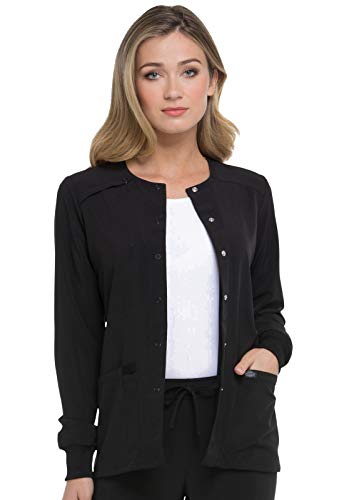
Dickies · Scrubs & Work Uniforms
Dickies Forge Women's 3-Pocket Snap Front Scrub Jacket
Lower concern scrubs; no PFAS-prone features identified.
Dickies scrub jackets are basic cotton-polyester blends without documented water-repellent or stain-resistant finishes. No public PFAS claims or third-party verification available, but standard medical apparel typically avoids fluorinated treatments.
Still want this one anyway? Check the price on Amazon. We’d swap it.
Material
polyester/cotton blend scrub fabric
Brand disclosure
Brand is silent on PFAS
Lab data
No public lab test
You may also be interested in
Top-graded picks in the categories readers replace first, every one scored on the same rubric.

- polypropylene filter housing, carbon/sediment cartridge
- We found no PFAS statement from the brand
- Bacterial growth in spent cartridges
3 hazards checked on this product, all on its full breakdown.

Aquasure
Premier Series 75 GPD Under Sink Reverse Osmosis Water Filtration System
- RO membrane, carbon filters, stainless steel housing
- We found no PFAS statement from the brand
- Bacterial and microbial growth in housing and filters
4 hazards checked on this product, all on its full breakdown.

Avocado
Vegan Mattress
- organic cotton, natural latex, coconut coir, recycled steel coils
- The brand calls it PFAS-free, which we have not verified
- Heavy metals
2 hazards checked on this product, all on its full breakdown.
What Dickies Forge Women's Scrub Jacket is made of, ingredients and materials
This jacket is a polyester-cotton blend, a common medical/industrial garment material chosen for durability, washability, and moisture management. Polyester fibers themselves do not leach chemicals during normal wear; the blend allows cotton's breathability while polyester adds stretch recovery and color retention. The snap front is typically metal or resin, not chemically active. Blend fabrics have lower off-gassing risk than 100 percent synthetic workwear.
What’s concerning
Category baseline
The starting point for this type of product, before anything specific to this product is counted.
No PFAS disclosure
No public statement from the brand about PFAS in this product.
Antimony in polyester fibers
Polyester production may involve antimony trioxide as a catalyst; it remains in fibers at trace levels and does not migrate during normal wear or washing. Dickies does not disclose antimony content or post-consumer polyester use. Risk is theoretical and consistent across all conventional polyester scrubs.
Metal snaps and hardware corrosion
Front snaps are typically nickel-plated or resin; repeated washing can corrode plating over years. Nickel release during normal wear is negligible; risk is primarily mechanical failure and eventual replacement. No brand-specific corrosion data available.
Microplastics
Polyester-cotton blend garments shed microfibers during washing. Dickies scrubs are not marketed as low-shedding or treated to reduce fiber loss. Magnitude is consistent with other conventional polyester blends; clinical setting use and institutional laundering do not increase risk above consumer use.
Source, EPA ↗What’s reassuring
Base material not linked to PFAS
The main material recorded for this product is not one associated with PFAS.
Formaldehyde / VOCs
Dickies scrub fabrics are not marketed as wrinkle-free or stain-resistant; conventional polyester-cotton scrubs rely on fiber properties, not formaldehyde-based durable-press treatment. No field reports or recalls link Dickies scrubs to formaldehyde off-gassing.
Source, ATSDR ↗Heavy metals
Dickies scrubs are dyed using standard commercial disperse and reactive dyes; no published recalls, testing data, or third-party findings document heavy metal or restricted azo dye use in this product. Medical garment dyes are typically regulated by dyestuff suppliers, but brand-level transparency is absent.
Source, FDA ↗How is this PFAS grade calculated?
The brand's record and disclosure
Dickies is a US workwear manufacturer with long history in occupational clothing but does not publicly disclose chemical testing, restricted substance policies, or third-party certifications such as OEKO-TEX. The brand has not faced documented recalls or controversies tied to formaldehyde, azo dyes, or heavy metals in scrubs. Absence of disclosure does not indicate hazard; it reflects industry norms for mid-tier workwear where transparency is limited.
How it compares in its category
Medical scrubs as a category carry low chemical concern compared to fashion textiles because they prioritize function and launderability over finishing treatments. Dickies scrubs are priced at standard commercial level and use conventional dyeing and finishing; they are not marketed as organic, chemical-free, or certified sustainable. Performance is comparable to Landau, Cherokee, and other major scrub brands; no field evidence shows Dickies scrubs to off-gas or shed more than competitors.
If you buy it
Wash before first wear to remove residual dust and finish treatments. Launder in warm water with standard detergent; polyester-cotton blends tolerate 60 to 80 degree Celsius (140 to 176 Fahrenheit) without damage. Avoid fabric softeners and high heat drying, which can degrade elastic and snaps over time. Replace when snaps corrode, seams fray, or elastic fails; typical service life is 2 to 3 years with weekly clinical use.
What is not known about PFAS in this product?
- Basis
- Model estimate, 72% confidence, not a lab result
- Lab test
- None on record for this exact product
- Brand statement
- Dickies has made none
Formulations change between production runs, so check the current label. How we grade.
More scrubs & work uniforms grades
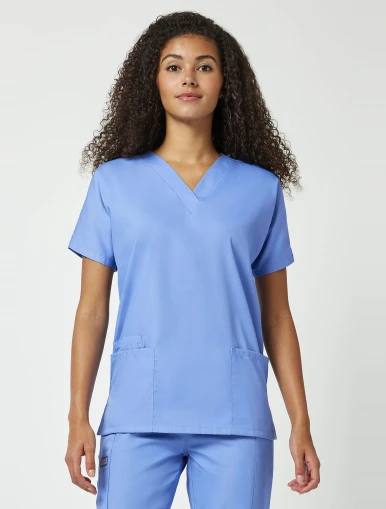 65Cherokee V-Neck Scrub Top for Women with 3 Pockets & Dolman Sleeve - 4700
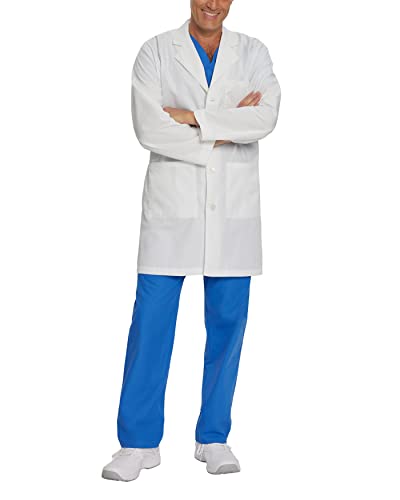 65Landau Men's Lab Coat - 65% Poly/35% Combed Cotton 5 Buttons
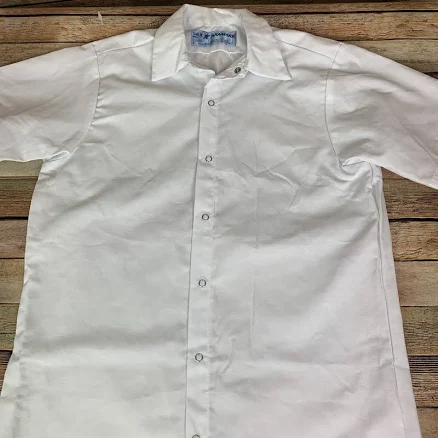 65Aramark Uniform Work Shirt Employee Short Sleeve White Snap Button Up
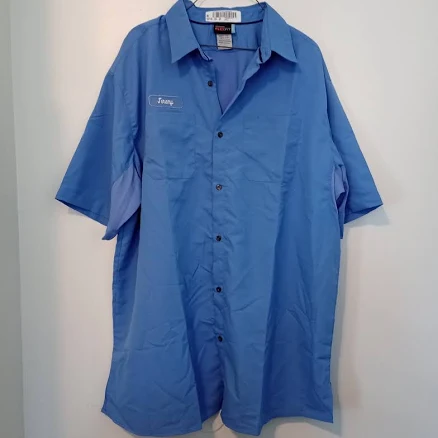 65Men’s 2xl Aramark Flexfit Uniform Work Shirt Blue
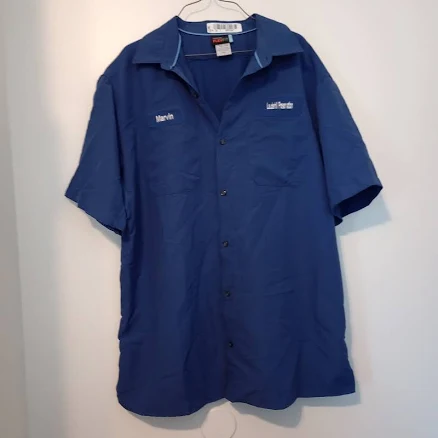 65Xl Aramark Flexfit Blue Work Shirt Short Sleeve Uniform
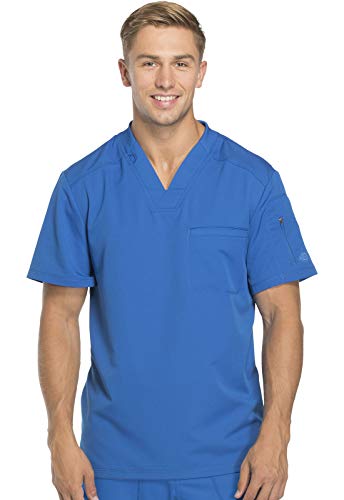 65Dickies Forge Men's 3-Pocket V-Neck Scrub Top
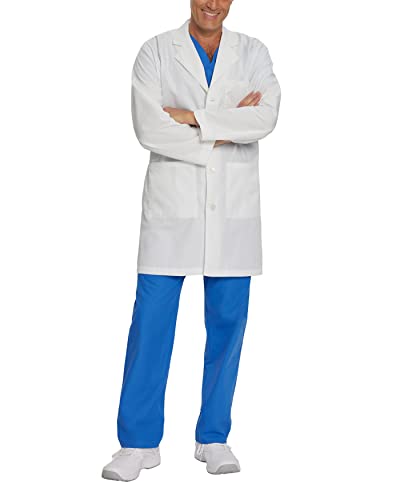 65Landau Men's Lab Coat - 100% Cotton Super Twill
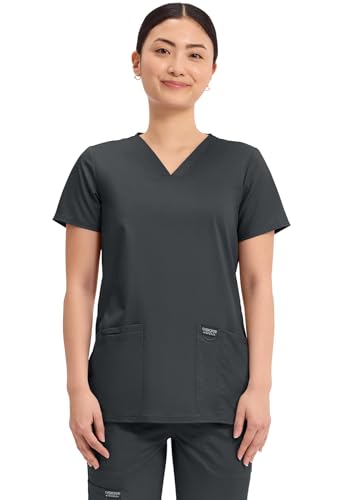 65Cherokee Workwear Originals Ultra Women's 2-Pocket V-Neck Scrub Top
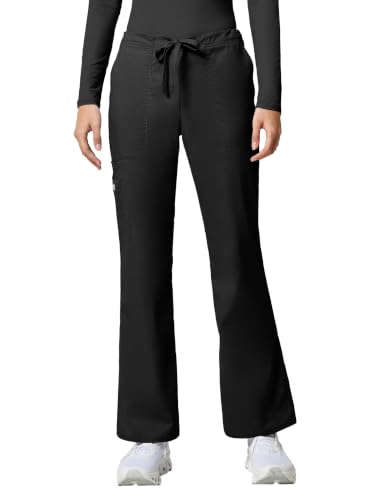 65Cherokee Workwear Women's 3-Pocket Flare Leg Drawstring Scrub Pants
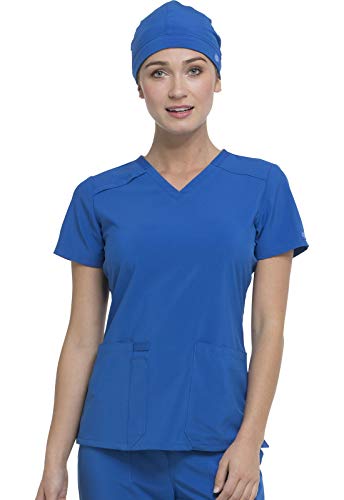 65Dickies EDS Essentials Unisex STRETCH Inner Terrycloth Scrub HatCompare vs Dickies →All scrubs & work uniforms →
How we score, every product runs through the same public 0-100 rubric based on materials, coatings, brand disclosure, lab findings, and recalls. See the full methodology → Spotted a mistake? Report an error.