Dockers · Stain-Resistant Professional Workwear
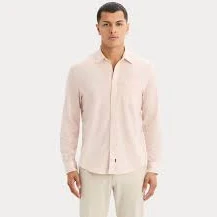
Dockers Men's Ultimate Lindley Poplin Shirt
Poplin shirt lacks treatments associated with PFAS use.
Cotton poplin shirt with no stated water or stain resistance. Dockers won't disclose PFAS for this product.
Still want this one anyway? Check the price on Amazon. We’d swap it.
Material
cotton poplin blend
Brand disclosure
Brand is silent on PFAS
Lab data
No public lab test
You may also be interested in
Top-graded picks in the categories readers replace first, every one scored on the same rubric.

- polypropylene filter housing, carbon/sediment cartridge
- We found no PFAS statement from the brand
- Bacterial growth in spent cartridges
3 hazards checked on this product, all on its full breakdown.

Aquasure
Premier Series 75 GPD Under Sink Reverse Osmosis Water Filtration System
- RO membrane, carbon filters, stainless steel housing
- We found no PFAS statement from the brand
- Bacterial and microbial growth in housing and filters
4 hazards checked on this product, all on its full breakdown.

Avocado
Vegan Mattress
- organic cotton, natural latex, coconut coir, recycled steel coils
- The brand calls it PFAS-free, which we have not verified
- Heavy metals
2 hazards checked on this product, all on its full breakdown.
What Dockers Men's Ultimate Poplin Shirt is made of, ingredients and materials
This shirt is cotton poplin (a plain-weave cotton fabric, typically blended with polyester for durability and wrinkle resistance). Poplin construction itself poses no inherent chemical risk; the hazard profile depends entirely on dyeing, finishing resins, and any durable-press or soil-resistant treatments applied. Standard poplin shirts like this one are finished with minimal chemical burden compared to performance or water-resistant apparel, making the material class low-risk for consumer exposure.
What’s concerning
Category baseline
The starting point for this type of product, before anything specific to this product is counted.
No PFAS disclosure
No public statement from the brand about PFAS in this product.
Formaldehyde / VOCs
Cotton-polyester poplin may receive formaldehyde-based durable-press finish to reduce wrinkling. Dockers does not disclose finish chemistry; low-level residual formaldehyde can off-gas during storage and early wear. Washing before wear significantly reduces exposure.
Source, ATSDR ↗Azo dyes and azo-dye metabolites
Standard industrial cotton dyeing often employs azo dyes, which are regulated but not banned in most markets. Risk is primarily occupational (dye-house workers); consumer exposure through finished garments is low unless dyes are unstable or run heavily in wash. This product has no known quality issues reported.
Allergenic dyes and finishes
Individuals with textile dye sensitivity or formaldehyde contact dermatitis may react to residual chemicals in new unwashed garments. Washing eliminates most risk. Pre-sensitized consumers should test on a small area or opt for certified-organic or undyed alternatives.
What’s reassuring
Base material not linked to PFAS
The main material recorded for this product is not one associated with PFAS.
Heavy metals
Lead and cadmium in dyes are banned in most OECD countries. Dockers sources primarily from regulated facilities; no recalls or contamination reports exist for this product line. Risk is theoretical unless brand sources from unregulated suppliers, which is undocumented.
Source, FDA ↗Antimony in polyester fiber
Antimony oxide is used as a catalyst in polyester synthesis and can be present in trace amounts in fabric. Studies show skin contact exposure from finished garments is negligible; antimony is poorly absorbed through intact skin. No health incidents tied to casual poplin wear exist in literature.
How is this PFAS grade calculated?
The brand's record and disclosure
Dockers (owned by Levi Strauss) does not publicly disclose detailed chemical-management policies or third-party certifications (such as bluesign or GOTS) for most basic apparel lines. The brand has not faced major public recalls or documented chemical contamination incidents for casual shirts. Transparency on formaldehyde resins, azo dyes, or heavy metals in dyes is absent from available marketing materials, which is typical for mainstream casual wear but limits consumer verification.
How it compares in its category
Men's casual poplin shirts are among the lowest-hazard category within apparel; they undergo standard industrial dyeing and finish but typically skip water-repellent or flame-retardant treatments that introduce additional chemical loads. Dockers positioned this as basic workwear, so it avoids premium finishes (antimicrobial, stain-guard) that would elevate chemical exposure risk. Compared to synthetic performance wear or chemically treated utility fabrics, poplin is straightforward.
If you buy it
Wash in cool water before first wear to remove residual dyes and finishes. Use standard laundry detergent; no special care needed. Avoid high heat (tumble dry low or hang dry); high heat can degrade elastic fibers if blended in cuffs or collar, though it poses no direct chemical hazard. Replace when seams fail or fabric pilling becomes excessive, typically after 2-3 years of regular wear.
What is not known about PFAS in this product?
- Basis
- Model estimate, 72% confidence, not a lab result
- Lab test
- None on record for this exact product
- Brand statement
- Dockers has made none
Formulations change between production runs, so check the current label. How we grade.
More stain-resistant professional workwear grades
How we score, every product runs through the same public 0-100 rubric based on materials, coatings, brand disclosure, lab findings, and recalls. See the full methodology → Spotted a mistake? Report an error.