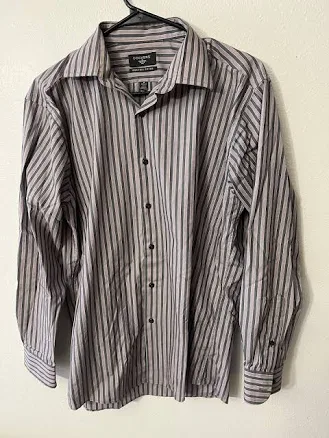
Dockers · Stain-Resistant Professional Workwear
Men's Dockers Wrinkle Free Long Sleeve Dress Shirt Blue Stripe M
Wrinkle-free and stain-resistant finishes commonly use PFAS.
Cotton blend dress shirt treated to resist wrinkles and stains, but Dockers refuses to say if PFAS is involved. Contact them directly for finish details.
Still want this one anyway? Check the price on Amazon. We’d swap it.
Material
cotton blend with wrinkle-free and stain-resistant finishes
Brand disclosure
Brand is silent on PFAS
Lab data
No public lab test
You may also be interested in
Top-graded picks in the categories readers replace first, every one scored on the same rubric.

- polypropylene filter housing, carbon/sediment cartridge
- We found no PFAS statement from the brand
- Bacterial growth in spent cartridges
3 hazards checked on this product, all on its full breakdown.

Aquasure
Premier Series 75 GPD Under Sink Reverse Osmosis Water Filtration System
- RO membrane, carbon filters, stainless steel housing
- We found no PFAS statement from the brand
- Bacterial and microbial growth in housing and filters
4 hazards checked on this product, all on its full breakdown.

Avocado
Vegan Mattress
- organic cotton, natural latex, coconut coir, recycled steel coils
- The brand calls it PFAS-free, which we have not verified
- Heavy metals
2 hazards checked on this product, all on its full breakdown.
What Men's Dockers Wrinkle Free Blue Stripe M is made of, ingredients and materials
This shirt is a cotton-polyester blend treated with a wrinkle-free (durable-press) finish and stain-resistant coating. Wrinkle-free finishes typically use formaldehyde-releasing resins or PFAS-based compounds to cross-link fabric fibers and lock in shape. Stain resistance usually involves PFAS-based or silicone polymers. The blend reduces pure-cotton shrinkage and improves durability, but also means you're wearing multiple chemical finishes that don't wash out completely.
What’s concerning
Category baseline
The starting point for this type of product, before anything specific to this product is counted.
No PFAS disclosure
No public statement from the brand about PFAS in this product.
Waterproof / stain-resistant treatment
Water-repellent coating treatments have historically used PFAS.
Formaldehyde / VOCs
Wrinkle-free finishes on cotton blends commonly contain formaldehyde-releasing compounds (e.g., dimethylol dihydroxymethylene imidazolidine) that off-gas gradually during wear and washing. Dockers does not specify which type is used on this shirt. Off-gassing is typically low after first wash but can trigger irritation in sensitive individuals.
Source, ATSDR ↗PFAS
Stain-resistant finishes on dress shirts often rely on PFAS (C6, C8, or alternatives); Dockers does not disclose. See separate PFAS grade (20/100) for full assessment. PFAS accumulates in the body and environment and is not removed by standard washing.
Source, ATSDR ↗Coating degradation over time
Wrinkle-free and stain-resistant finishes degrade with washing, heat, and UV exposure. As coatings break down, they may shed microparticles or release residual monomers. Frequent dry-cleaning or tumble drying accelerates this process. Expected usable life with proper care is 2-3 years before finish noticeably deteriorates.
What’s reassuring
Azo dyes in blue stripe
No specific azo dye violations are documented for Dockers dress shirts. Standard blue stripes in conventional apparel may contain azo dyes that meet regulatory thresholds but carry low risk under normal wear. Dockers is not known for problematic dye sourcing.
Antimony in polyester component
Polyester in the blend may contain antimony catalyst residue from manufacture, but levels in finished apparel are typically far below safety limits. No specific antimony concerns are on record for Dockers polyester blends.
How is this PFAS grade calculated?
The brand's record and disclosure
Dockers (VF Corporation subsidiary) does not publicly disclose the specific chemistry of wrinkle-free or stain-resistant treatments on individual garments. VF Corporation has faced pressure from environmental and health groups over PFAS use in apparel but has not committed to phase-out timelines as clearly as some competitors (e.g., Patagonia). No major safety recalls or formaldehyde violations are on record for Dockers dress shirts, but the lack of transparency is noteworthy.
How it compares in its category
Most conventional dress shirts at this price point use similar wrinkle-free and stain-resistant finishes; this is standard across mass-market brands. Organic cotton or untreated cotton-linen alternatives avoid these finishes entirely but cost more and require more ironing. Premium brands like Patagonia or some European makers offer PFAS-free or formaldehyde-free certifications; budget brands rarely do. Dockers sits in the middle, no special safety claim, but also no known quality failures.
If you buy it
Wash in cool water before wearing to reduce loose formaldehyde residue and allow finishes to stabilize. Wash in cold water and dry on low heat to extend the wrinkle-free coating life; high heat speeds degradation and may release more volatile compounds. Do not dry-clean repeatedly, as solvent exposure may stress the finish. If you notice skin irritation (rare but possible with formaldehyde sensitivity), switch to untreated fabric or a brand with certified low-formaldehyde production.
What is not known about PFAS in this product?
- Basis
- Model estimate, 35% confidence, not a lab result
- Lab test
- None on record for this exact product
- Brand statement
- Dockers has made none
Formulations change between production runs, so check the current label. How we grade.
What are the PFAS-free alternatives to Men's Dockers Wrinkle Free Long Sleeve Dress Shirt Blue Stripe M?
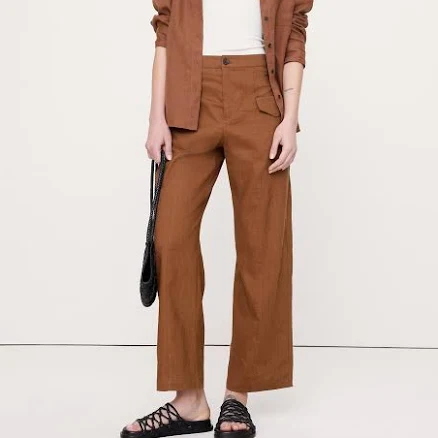
- linen-viscose blend, no water-resistant finish
- We found no PFAS statement from the brand
- Formaldehyde / VOCs
3 hazards checked on this product, all on its full breakdown.
Find an alternative on Amazon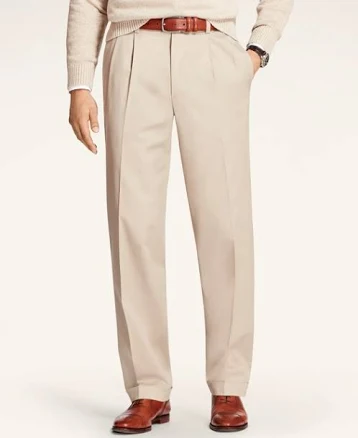
- 100% cotton, pleated, no stated treatment
- We found no PFAS statement from the brand
- Residual azo dyes and synthetic dye intermediates
2 hazards checked on this product, all on its full breakdown.
Find an alternative on Amazon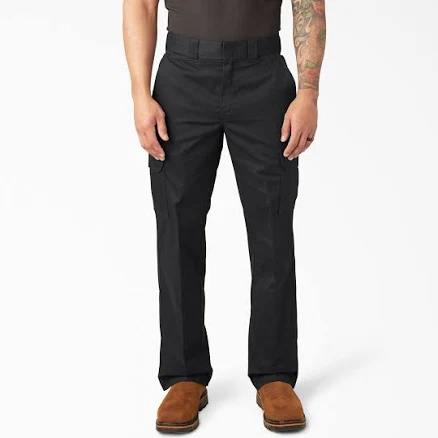
- 100% cotton twill, no water-resistant treatment
- We found no PFAS statement from the brand
- Azo dyes and residual finishing agents
2 hazards checked on this product, all on its full breakdown.
Find an alternative on AmazonMore stain-resistant professional workwear grades
How we score, every product runs through the same public 0-100 rubric based on materials, coatings, brand disclosure, lab findings, and recalls. See the full methodology → Spotted a mistake? Report an error.