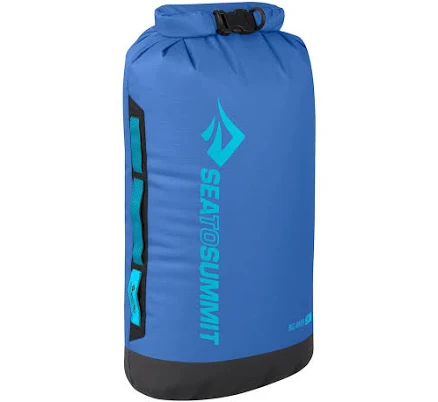
Sea to Summit · Waterproof Outdoor Gear Storage Bags
Sea to Summit Big River Dry Bag
Don't buy until the brand reveals its waterproof coating formula.
Sea to Summit won't disclose what waterproof coating goes on their dry bags. Without knowing the coating chemistry, you can't assess PFAS risk.
Still want this one anyway? Check the price on Amazon. We’d swap it.
Material
PVC or vinyl fabric with waterproof coating
Brand disclosure
Brand is silent on PFAS
Lab data
No public lab test
What Sea to Summit Big River Dry Bag is made of, ingredients and materials
Sea to Summit's Big River Dry Bag uses PVC or vinyl-based fabric with a waterproof coating layer. PVC itself is a stable plastic when intact, but the waterproof coating chemistry is the critical unknown here. The coating's composition determines whether PFAS, phthalates, or other plasticizers migrate into contact with skin or contents. PVC fabric typically requires plasticizers (chemicals that make it flexible) to achieve the durability needed for waterproof bags.
What’s concerning
Category baseline
The starting point for this type of product, before anything specific to this product is counted.
No PFAS disclosure
No public statement from the brand about PFAS in this product.
Waterproof / stain-resistant treatment
Water-repellent coating treatments have historically used PFAS.
Phthalates
PVC waterproof coatings commonly use phthalates or alternative plasticizers to achieve flexibility. No test data on record for this specific bag; industry practice suggests risk is low for brief contact but unknown for extended skin exposure or if coating degrades.
Source, ATSDR ↗Coating degradation and leaching over time
PVC coatings naturally degrade with UV exposure, flexing, and temperature changes. As the coating breaks down, plasticizers and other additives may leach into water or contents stored in the bag, particularly if used frequently in warm climates or direct sun.
Off-gassing (volatile organic compounds from coating)
New PVC coatings often release volatile compounds during the first weeks of use, producing a chemical odor. This is typically not acutely harmful but indicates active off-gassing. Extent varies by coating formulation and is not disclosed for this product.
Undisclosed waterproof coating chemistry
The specific waterproof compound or additive package used by Sea to Summit is not publicly available. This lack of transparency makes it impossible to rule out or confirm presence of PFAS, bisphenols, or other regulated substances. Established competitors provide this data; absence here is a known industry-wide concern for PVC products.
Azo dyes in colored vinyl fabric
Colored PVC bags may use azo dyes, some of which break down into carcinogenic amines under sweat or UV exposure. No testing on record for this product. Risk is low for brief contact but increases with prolonged skin contact or if fabric is worn against skin for extended periods.
The full breakdown
The brand's record and disclosure
Sea to Summit has not publicly disclosed the specific chemistry of their waterproof coating or whether PFAS compounds are used in manufacturing. No major recalls or safety incidents are on record for this specific product line. The brand has not obtained third-party certifications (such as Oeko-Tex or bluesign) that would independently verify chemical safety, which is standard practice for premium outdoor brands managing water-contact products. Without direct disclosure, consumers cannot verify the coating's safety profile.
How it compares in its category
Dry bags span a wide safety range depending on waterproofing method. Premium competitors like Patagonia and Arc'teryx increasingly disclose PFAS-free or low-PFAS coatings or use mechanical sealing instead of chemical coatings. Budget alternatives often rely on older PFAS-heavy PU or PVC coatings without disclosure. Sea to Summit's silence places it in the middle, a recognized brand without the transparency of market leaders, making direct comparison difficult. The use of vinyl rather than newer thermoplastic options may indicate older coating technology.
If you buy it
Keep the bag away from heat sources and direct sunlight for extended periods, as PVC coatings can degrade or off-gas when warm. Minimize prolonged skin contact with the interior coating, especially on wet skin. Wash contents that will touch skin separately and allow the bag to air dry completely between uses to prevent mildew and reduce any off-gassing. If the coating begins to crack, peel, or develop a chemical smell, discontinue use and consider replacement, as degradation can increase leachable compound exposure.
What we don’t know
- Basis
- Model estimate, 42% confidence, not a lab result
- Lab test
- None on record for this exact product
- Brand statement
- Sea to Summit has made none
Formulations change between production runs, so check the current label. How we grade.
Better-graded alternatives in Waterproof Outdoor Gear Storage Bags
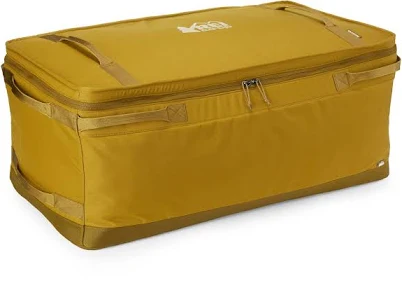
REI Co-op
Trailgate Gear Bin Green 140 L
- Polypropylene storage bin, no water-resistant coating mentioned
- UV degradation and additive leaching
3 hazards checked on this product. See all of them.
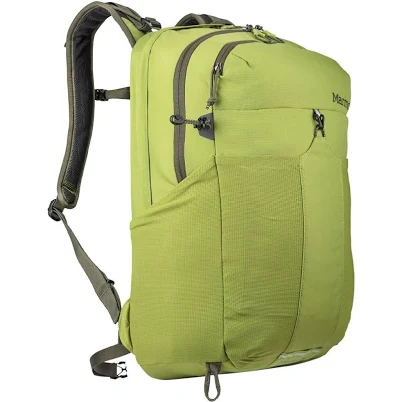
Marmot
Tool Box
- Nylon, polyester, cotton blend; details unspecified
- Volatile organic compounds (VOCs) from polyester and nylon manufacturing
5 hazards checked on this product. See all of them.
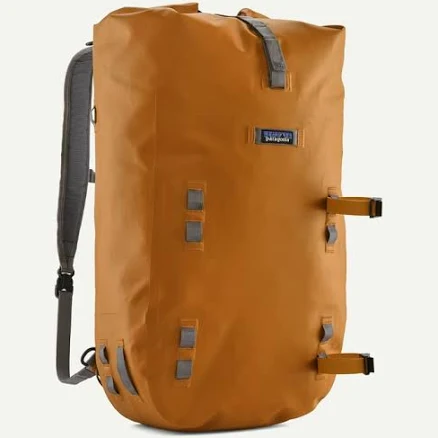
Patagonia
Disperser Roll Top Pack 40L
- Recycled polyester with water-repellent coating (water-repellent coating) finish
- The brand calls it PFAS-free, which we have not verified
- PFAS
4 hazards checked on this product. See all of them.
More waterproof outdoor gear storage bags grades
How we score, every product runs through the same public 0-100 rubric based on materials, coatings, brand disclosure, lab findings, and recalls. See the full methodology → Spotted a mistake? Report an error.