25+ duralex for sale, Is It Non-Toxic?
Lower PFAS concern; borosilicate glass cookware has no coating.
Duralex makes borosilicate glass cookware with no nonstick or surface coating. Glass products carry lower PFAS concern since PFAS are typically added to coatings and treatments, not glass itself.
The better-graded swap
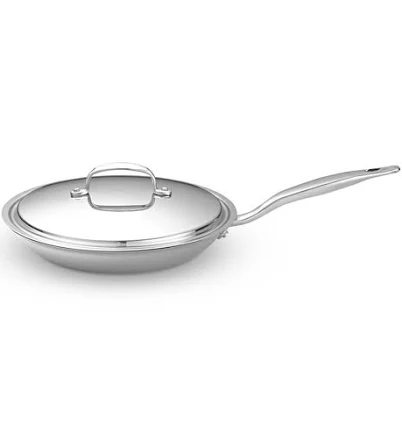
Heritage Steel
Heritage Steel 10.5" Fry Pan with Lid
100/100 safety
Same rubric that flunked this product. The swap earned Excellent.
Still want this one anyway? Check the price on Amazon. We’d swap it.
Material
borosilicate glass
Brand disclosure
Brand is silent on PFAS
Lab data
No public lab test
You may also be interested in
Top-graded picks in the categories readers replace first, every one scored on the same rubric.

- polypropylene filter housing, carbon/sediment cartridge
- We found no PFAS statement from the brand
- Bacterial growth in spent cartridges
3 hazards checked on this product, all on its full breakdown.

Aquasure
Premier Series 75 GPD Under Sink Reverse Osmosis Water Filtration System
- RO membrane, carbon filters, stainless steel housing
- We found no PFAS statement from the brand
- Bacterial and microbial growth in housing and filters
4 hazards checked on this product, all on its full breakdown.

Avocado
Vegan Mattress
- organic cotton, natural latex, coconut coir, recycled steel coils
- The brand calls it PFAS-free, which we have not verified
- Heavy metals
2 hazards checked on this product, all on its full breakdown.
Is 25+ duralex for sale non-toxic? What it is made of
Duralex cookware is borosilicate glass, a silica-based material with added boron oxide that increases thermal shock resistance and durability compared to standard soda-lime glass. Borosilicate glass contains no lead, cadmium, or synthetic organic coatings by composition. The 25+ designation typically refers to the product line or thermal resistance rating; the glass itself does not require surface treatments that introduce leaching risks common to ceramic-coated or enameled cookware.
What’s concerning
Category baseline
The starting point for this type of product, before anything specific to this product is counted.
No PFAS disclosure
No public statement from the brand about PFAS in this product.
Thermal shock and breakage
Borosilicate glass is more resistant than standard glass but still susceptible to rapid temperature changes or direct high flame, which can cause cracking and shattering. User error (not manufacturer defect) is the primary risk factor.
What’s reassuring
Base material not linked to PFAS
The main material recorded for this product is not one associated with PFAS.
Lead
Borosilicate glass does not contain intentional lead or cadmium additives. No testing data on record for Duralex cookware indicates leaching of these elements into food.
Source, ATSDR ↗Surface coating degradation or peeling
Duralex borosilicate cookware does not feature a ceramic enamel or nonstick coating; the entire body is glass. There is no coating layer to degrade, chip, or leach over time.
Teflon-type coating fume inhalation risk
Glass cookware does not use Teflon-type coating (Teflon) or similar synthetic nonstick polymers. This hazard class is not applicable to this product.
Microplastic shedding
Borosilicate glass is an inorganic mineral material and does not shed microplastics when heated. This hazard is relevant only to plastic food containers and is not a concern for glass cookware.
How is this PFAS grade calculated?
The brand's record and disclosure
Duralex is a long-established French glassware manufacturer with a consistent market presence in borosilicate tableware and cookware since the 1930s. The company does not publicly issue detailed safety certifications or third-party testing summaries for individual products, but borosilicate glass composition is inherently well-characterized and regulated. No recalls, contamination incidents, or disclosed safety controversies are on record for Duralex cookware related to leaching or coating failure.
How it compares in its category
Borosilicate glass eliminates the primary risks of ceramic-coated cookware (lead/cadmium in glazes, coating degradation) and Teflon-type coating nonstick fume risk. It trades these for fragility and slower heat conduction compared to metal cookware; thermal shock from rapid temperature swings can cause cracking. Among glass cookware options, Duralex is a mid-to-premium performer; budget alternatives use thinner soda-lime glass with lower thermal resistance and higher breakage risk.
If you buy it
Use only on stovetop or oven within the manufacturer's stated temperature limits (typically 500°F / 260°C for cookware). Avoid direct high-heat contact on bare flame; use a diffuser or medium heat. Never expose cold glass to direct high heat or immerse hot glass in cold water, as thermal shock causes fracture. Inspect regularly for visible cracks or chips; discard if compromised, as sharp edges pose cutting risk and microscopic fractures can propagate during heating.
What is not known about PFAS in this product?
- Basis
- Model estimate, 85% confidence, not a lab result
- Lab test
- None on record for this exact product
- Brand statement
- Duralex has made none
Formulations change between production runs, so check the current label. How we grade.
What are the PFAS-free alternatives to 25+ duralex for sale?
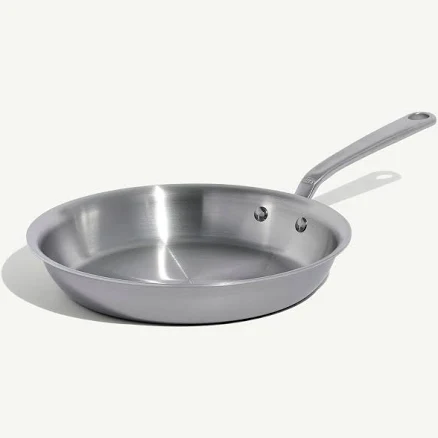
- Stainless steel clad construction, no nonstick coating
- The brand calls it PFAS-free, which we have not verified
- Clad separation or delamination over time
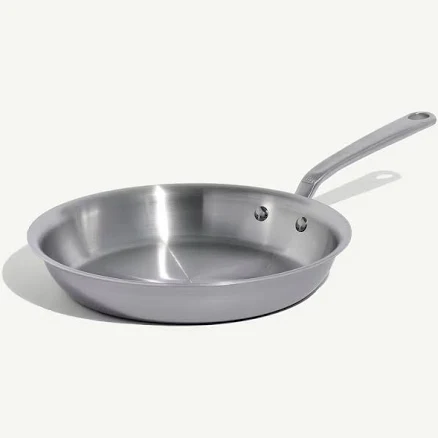
- stainless steel clad construction, no nonstick coating
- The brand calls it PFAS-free, which we have not verified
- Nickel leaching from stainless steel
3 hazards checked on this product, all on its full breakdown.
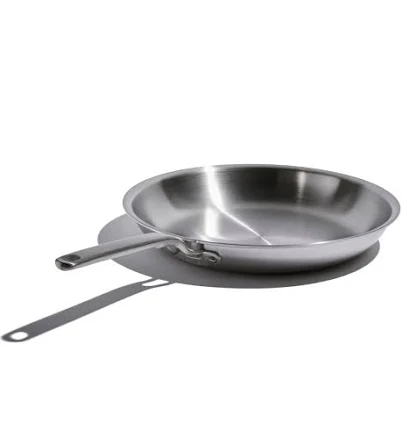
- Clad stainless steel, no coating
- The brand calls it PFAS-free, which we have not verified
- Metal ion release during cooking (iron, nickel, chromium)
More cookware grades
How we score, every product runs through the same public 0-100 rubric based on materials, coatings, brand disclosure, lab findings, and recalls. See the full methodology → Spotted a mistake? Report an error.