Duro Bag Manufacturing · Bakery Bags
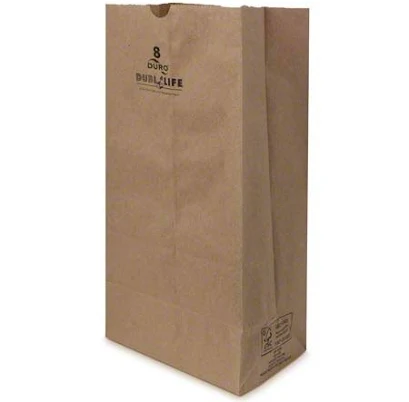
Duro Bag 71010 Heavy-Duty Kraft Grocery Bag
Lower PFAS concern; uncoated kraft bags rarely need fluorinated water or grease barriers.
Duro Bag's heavy-duty kraft grocery bags are plain kraft paper with no advertised water-repellent or grease-resistant coating. Standard kraft does not typically require PFAS treatment to function as a grocery bag.
We flunk more products than we pass. This one earned its grade. How we grade
Material
kraft paper, uncoated or minimal treatment
Brand disclosure
Brand is silent on PFAS
Lab data
No public lab test
You may also be interested in
Top-graded picks in the categories readers replace first, every one scored on the same rubric.

- polypropylene filter housing, carbon/sediment cartridge
- We found no PFAS statement from the brand
- Bacterial growth in spent cartridges
3 hazards checked on this product, all on its full breakdown.

Aquasure
Premier Series 75 GPD Under Sink Reverse Osmosis Water Filtration System
- RO membrane, carbon filters, stainless steel housing
- We found no PFAS statement from the brand
- Bacterial and microbial growth in housing and filters
4 hazards checked on this product, all on its full breakdown.

Avocado
Vegan Mattress
- organic cotton, natural latex, coconut coir, recycled steel coils
- The brand calls it PFAS-free, which we have not verified
- Heavy metals
2 hazards checked on this product, all on its full breakdown.
What Duro Bag 71010 Heavy-Duty Grocery Bag is made of, ingredients and materials
Duro 71010 bags are kraft paper, a mechanical pulp product made from wood fibers. The 'uncoated or minimal treatment' designation means this bag lacks plastic liners, wax coatings, or synthetic barrier layers that would introduce polymers or fluorinated compounds. Kraft paper itself is chemically inert under normal use and does not leach substances into food or soil.
What’s concerning
Category baseline
The starting point for this type of product, before anything specific to this product is counted.
No PFAS disclosure
No public statement from the brand about PFAS in this product.
Mold and microbial contamination
Kraft paper is porous and can absorb moisture, creating conditions for mold if bags are stored damp or used for moist foods. This is a handling and storage issue, not an inherent chemical hazard, but relevant to food safety. Proper ventilation and dry storage mitigate this risk.
What’s reassuring
Base material not linked to PFAS
The main material recorded for this product is not one associated with PFAS.
Bleach residues (if bags are bleached kraft)
No testing or recalls document residual bleach in Duro 71010 bags. Standard kraft processing does not retain problematic chlorine levels if kraft is unbleached; if bleached, residues are negligible by design. Not a documented concern for this product.
Ink and printing additives
If bags include printed branding or logos, commercial food-contact inks are regulated and typically low-migration. No specific ink-related incidents are on record for Duro bags. Risk depends on ink composition and direct contact with food, which is minimized in grocery bag use.
Coating degradation (if minimal coatings present)
If any starch or mineral coating is applied, no public recalls document flaking or migration into food. Kraft bags are typically robust enough to avoid coating breakdown during normal grocery use.
Lead
Recycled kraft bags could theoretically contain trace heavy metals from printed waste sources. No testing or regulatory warnings exist for Duro bags specifically. FDA food-contact regulations apply, and kraft production standards screen for contaminants, but independent verification is not routine for this product category.
Source, ATSDR ↗How is this PFAS grade calculated?
The brand's record and disclosure
Duro Bag Manufacturing is a long-established US-based supplier with no major product recalls or safety violations on record for this product line. The company does not publish detailed chemical or PFAS disclosure statements on these commodity bags, which is typical for the kraft paper segment. No independent testing or third-party certifications (such as FDA compliance statements) are routinely advertised for heavy-duty grocery bags in this price tier.
How it compares in its category
Uncoated kraft bags are among lower-concern options in the single-use grocery bag category because they avoid coating-related hazards. Competitor products (including recycled or bleached kraft alternatives and bags with clay or starch coatings) pose similar or slightly higher risks if coatings degrade or if bleach residues are present. Plastic-lined or wax-coated bags would introduce additional chemical concerns that this product avoids.
If you buy it
These bags are designed for dry goods, baked items, and short-term room-temperature storage. Avoid using them for hot or wet foods, as kraft paper softens and may tear; moisture can also promote mold growth on the bag itself. Replace bags if they show tears, oil stains, or discoloration that could indicate mold or bacterial growth. Store bags in a cool, dry location to prevent premature degradation.
What is not known about PFAS in this product?
- Basis
- Model estimate, 78% confidence, not a lab result
- Lab test
- None on record for this exact product
- Brand statement
- Duro Bag Manufacturing has made none
Formulations change between production runs, so check the current label. How we grade.
More bakery bags grades
How we score, every product runs through the same public 0-100 rubric based on materials, coatings, brand disclosure, lab findings, and recalls. See the full methodology → Spotted a mistake? Report an error.