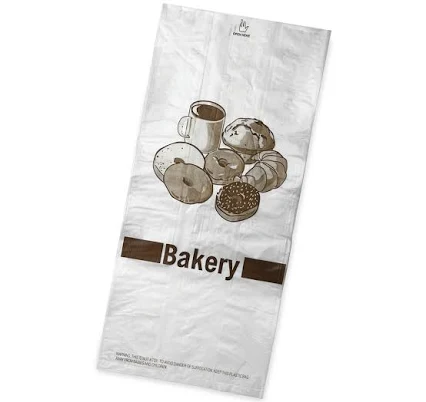
Grease-Proof 4 lb. HDPE Graphic Bakery Bag - 5"L x 3"D x 11"H
Exercise caution as grease-proof food bags commonly use PFAS coatings; The brand provides no transparency.
This HDPE bakery bag carries a grease-proof treatment, a known vector for PFAS use in food packaging. The brand does not publicly disclose the coating chemistry or PFAS status.
The better-graded swap
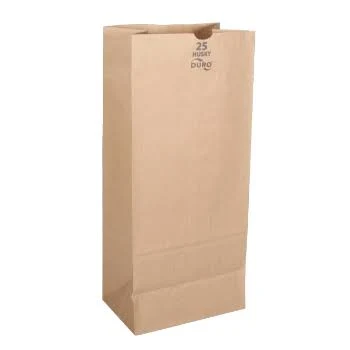
Duro Bag Manufacturing
Duro Bag 25 lb Short Heavy Duty Kraft Grocery Bag
70/100 safety
Same rubric that flunked this product. The swap earned Good.
Still want this one anyway? Check the price on Amazon. We’d swap it.
Material
HDPE plastic with grease-proof coating (composition unspecified)
Brand disclosure
Brand is silent on PFAS
Lab data
No public lab test
You may also be interested in
Top-graded picks in the categories readers replace first, every one scored on the same rubric.

- polypropylene filter housing, carbon/sediment cartridge
- We found no PFAS statement from the brand
- Bacterial growth in spent cartridges
3 hazards checked on this product, all on its full breakdown.

Aquasure
Premier Series 75 GPD Under Sink Reverse Osmosis Water Filtration System
- RO membrane, carbon filters, stainless steel housing
- We found no PFAS statement from the brand
- Bacterial and microbial growth in housing and filters
4 hazards checked on this product, all on its full breakdown.

Avocado
Vegan Mattress
- organic cotton, natural latex, coconut coir, recycled steel coils
- The brand calls it PFAS-free, which we have not verified
- Heavy metals
2 hazards checked on this product, all on its full breakdown.
What Grease-Proof 4 lb. HDPE Graphic 11"H is made of, ingredients and materials
This bag is HDPE (high-density polyethylene), a relatively stable plastic that does not leach BPA or phthalates under normal use. However, the "grease-proof" coating is the critical unknown, manufacturers typically use fluorinated compounds (PFAS-based) or wax to repel oils and moisture. The brand does not publicly disclose the coating chemistry, which is standard industry silence on PFAS in food packaging. HDPE itself is food-safe under cold to warm conditions, but the coating's thermal stability and migration profile are unverified here.
What’s concerning
Category baseline
The starting point for this type of product, before anything specific to this product is counted.
No PFAS disclosure
No public statement from the brand about PFAS in this product.
Waterproof / stain-resistant treatment
Water-repellent coating treatments have historically used PFAS.
PFAS
Grease-proof food bags commonly use PFAS-based compounds; The brand has disclosed no alternative. This is not established for this specific bag, but the product category and brand silence suggest PFAS exposure is probable with regular use.
Source, ATSDR ↗Coating degradation and microplastic migration
Polymer coatings degrade with age, moisture, and temperature cycling. Use-wear in bakery settings (stacking, handling, humidity) may release microplastics or coating fragments into food over months of storage.
Thermal instability of coating under heating
Placing warm baked goods into the bag may soften or partially dissolve the grease-proof layer, promoting migration of coating compounds into food. The specific thermal threshold of the brand's coating is not public.
Allergen or food-residue contamination from recycling stream
If this bag uses recycled HDPE, prior food contact history is unknown. Bakery bags touching multiple foods pose cross-contamination risk in commercial kitchens, though this is a use-hygiene rather than material hazard.
What’s reassuring
BPA & bisphenols
HDPE itself does not contain BPA or phthalates in manufacture; however, recycled HDPE can occasionally harbor trace contaminants. The brand does not specify resin sourcing for this bag.
Source, FDA ↗How is this PFAS grade calculated?
The brand's record and disclosure
The brand is a major packaging conglomerate with no public PFAS reduction commitments or transparency statements on their food-contact coatings as of available records. The company has not published third-party testing or safer-alternative timelines for grease-proof bags. This silence is consistent with industry practice but leaves consumers without reassurance. No recalls or regulatory actions specific to this product line are on record, but absence of disclosure does not indicate absence of PFAS.
How it compares in its category
Grease-proof bakery bags are almost universally coated with either PFAS or plant-based waxes; The brand does not advertise a wax-only option, making this a mainstream mid-tier choice. Many smaller or specialty brands now offer certified PFAS-free or compostable alternatives, though at higher cost. Standard uncoated kraft or paper bags have no coating risk but lose grease resistance. This product occupies the convenience-over-transparency position common in foodservice supply.
If you buy it
Use these bags for dry baked goods (bread, pastries, cookies) where the coating does not contact wet or hot foods directly. Do not microwave or place warm foods into the bag while still hot; let baked items cool first. Avoid using them for foods with high oil content or prolonged storage in contact with the coating. Replace bags every 6-12 months if used regularly, as plastic can degrade and shed particles over time. If you are pregnant, nursing, or concerned about PFAS exposure, switching to uncoated kraft or certified PFAS-free bags is prudent.
What is not known about PFAS in this product?
- Basis
- Model estimate, 42% confidence, not a lab result
- Lab test
- None on record for this exact product
- Brand statement
- has made none
Formulations change between production runs, so check the current label. How we grade.
What are the PFAS-free alternatives to Grease-Proof 4 lb. HDPE Graphic Bakery Bag - 5"L x 3"D x 11"H?
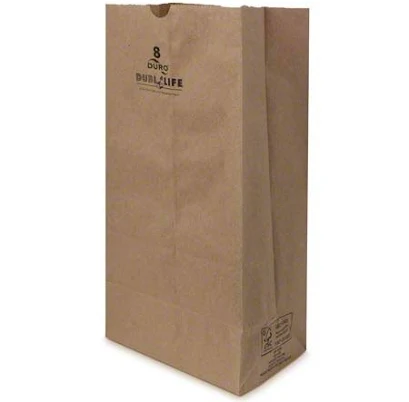
- kraft paper, uncoated or minimal treatment
- We found no PFAS statement from the brand
- Mold and microbial contamination
- Unbleached kraft paper
- We found no PFAS statement from the brand
- Mold or microbial growth on stored paper
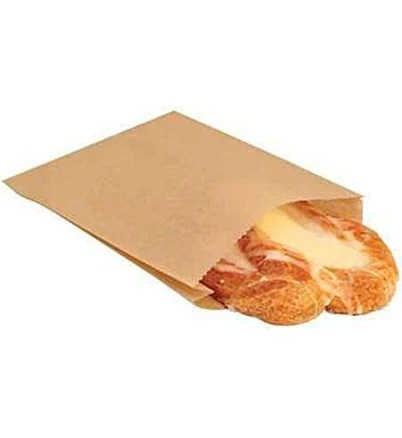
- paper with wax coating
- We found no PFAS statement from the brand
- Wax coating degradation and migration
2 hazards checked on this product, all on its full breakdown.
Find an alternative on AmazonMore bakery bags grades
How we score, every product runs through the same public 0-100 rubric based on materials, coatings, brand disclosure, lab findings, and recalls. See the full methodology → Spotted a mistake? Report an error.