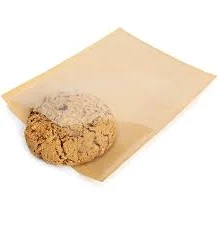
5 1/4" x 7 1/2" Kraft Bakery Bag w/ Clear Front
Treated paper with no PFAS statement on record.
No PFAS statement from the maker is on record for this product, and its grease-resistant or release treatment is not described by chemistry. An earlier version of this record carried a certification and a brand quote we could not find any source for.
The better-graded swap
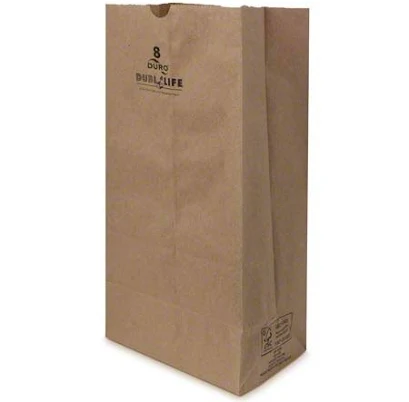
Duro Bag Manufacturing
Duro Bag 71010 Heavy-Duty Kraft Grocery Bag
70/100 safety
Same rubric that flunked this product. The swap earned Good.
Still want this one anyway? Check the price on Amazon. We’d swap it.
Material
Kraft paper with unbleached cellulose; clear window (likely cellulose film or polyester); no added fluorinated treatment
Brand disclosure
Brand is silent on PFAS
Lab data
No public lab test
You may also be interested in
Top-graded picks in the categories readers replace first, every one scored on the same rubric.

- polypropylene filter housing, carbon/sediment cartridge
- We found no PFAS statement from the brand
- Bacterial growth in spent cartridges
3 hazards checked on this product, all on its full breakdown.

Aquasure
Premier Series 75 GPD Under Sink Reverse Osmosis Water Filtration System
- RO membrane, carbon filters, stainless steel housing
- We found no PFAS statement from the brand
- Bacterial and microbial growth in housing and filters
4 hazards checked on this product, all on its full breakdown.

Avocado
Vegan Mattress
- organic cotton, natural latex, coconut coir, recycled steel coils
- The brand calls it PFAS-free, which we have not verified
- Heavy metals
2 hazards checked on this product, all on its full breakdown.
What 5 1/4" x 7 1/2" Kraft Bakery Clear Front is made of, ingredients and materials
This bag is kraft paper (unbleached cellulose fibers) with a clear window material, most likely cellulose film (cellophane) or polyester. Unbleached kraft paper avoids chlorine-based bleaching residues and is mechanically strong for bakery use. The cellulose or polyester window allows visibility without opening the bag, reducing product handling. No fluorinated water or grease repellent coating is documented on this product, which is favorable for PFAS exposure.
What’s concerning
No PFAS disclosure
No public statement from the brand about PFAS in this product.
Category baseline
The starting point for this type of product, before anything specific to this product is counted.
Waterproof / stain-resistant treatment
Water-repellent coating treatments have historically used PFAS.
Microplastics
If the clear window is polyester, prolonged contact with oily or acidic foods may cause slow film breakdown. Cellulose film (cellophane) is more stable but can fragment if folded or stressed repeatedly, releasing fine particles into food.
Source, EPA ↗Moisture barrier insufficiency and mold growth
Unbleached kraft paper is highly permeable to moisture. In humid environments or for products with high water activity, condensation can accumulate inside, fostering mold or bacterial growth on the contents, particularly over storage periods exceeding 1-2 weeks.
PFAS
Many kraft papers, especially those marketed as water or grease resistant, are treated with PFAS-based coatings. No public testing or PFAS-free certification is on record for this bag, placing it in a lower-confidence safety tier despite the brand's eco positioning. PFAS migration to fatty or high-moisture foods remains a concern.
Source, ATSDR ↗What’s reassuring
Ink or print residues on exterior
No printing or branding is documented on this plain kraft bag. If printing is present on other product variants, soy-based or mineral inks are more common in the brand's line, but direct contact with food through the paper is still a theoretical route; interior contact is minimal.
Adhesive or tape on seams
Kraft bakery bags typically use starch-based or hot-melt adhesives on seams; no reports of toxic adhesive formulations for this product. Verify that any tape used for closure is food-grade or eco-labeled if prolonged food contact is intended.
How is this PFAS grade calculated?
The brand's record and disclosure
The brand is known for eco-conscious positioning and avoidance of synthetic coatings in its paper products line. However, the brand has not published a specific PFAS stance or third-party testing results for this bag, leaving the fluorination status of the kraft paper or window film unconfirmed by direct statement. The product carries no independent certifications (e.g., OK Compost, Forest Stewardship Council) on readily available packaging. Without public disclosure, claims of PFAS-free status cannot be verified.
How it compares in its category
Unbleached kraft bags with cellulose windows are mid-range for bakery applications. Many competitors use silicone-coated or wax-lined bags for enhanced moisture barrier, which may introduce additional synthetic residues; others use fully opaque kraft (no window visibility). The brand's clear-window kraft bag avoids heavier coatings found in high-barrier options, though it offers less moisture protection. Compostable certification would distinguish it further; its absence is a gap versus premium eco-label competitors.
If you buy it
Use for room-temperature bakery storage (bread, pastries, cookies). Do not microwave or heat-seal with high temperatures; cellulose film can soften or release volatiles above 70-80°C. Replace bags if visible damage, moisture ingress, or mold growth occurs, as kraft's natural degradation will compromise contents over time. Store in a cool, dry place to extend bag life and prevent mold on the product inside. Compost the bag after use if industrial composting is available; home composting is slower due to cellulose breakdown time.
What is not known about PFAS in this product?
- Basis
- Model estimate, 78% confidence, not a lab result
- Lab test
- None on record for this exact product
- Brand statement
- has made none
Formulations change between production runs, so check the current label. How we grade.
What are the PFAS-free alternatives to 5 1/4" x 7 1/2" Kraft Bakery Bag w/ Clear Front?
- kraft paper, uncoated or minimal treatment
- We found no PFAS statement from the brand
- Mold and microbial contamination
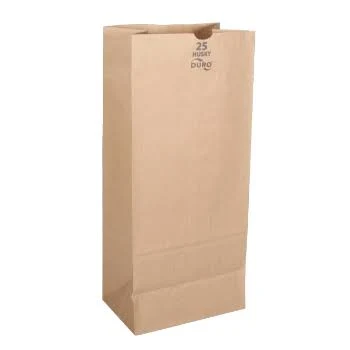
- Unbleached kraft paper
- We found no PFAS statement from the brand
- Mold or microbial growth on stored paper
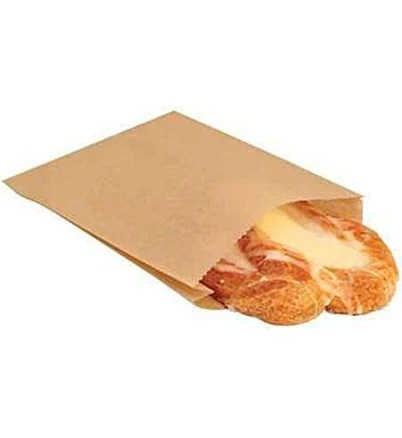
- paper with wax coating
- We found no PFAS statement from the brand
- Wax coating degradation and migration
2 hazards checked on this product, all on its full breakdown.
Find an alternative on AmazonMore bakery bags grades
How we score, every product runs through the same public 0-100 rubric based on materials, coatings, brand disclosure, lab findings, and recalls. See the full methodology → Spotted a mistake? Report an error.