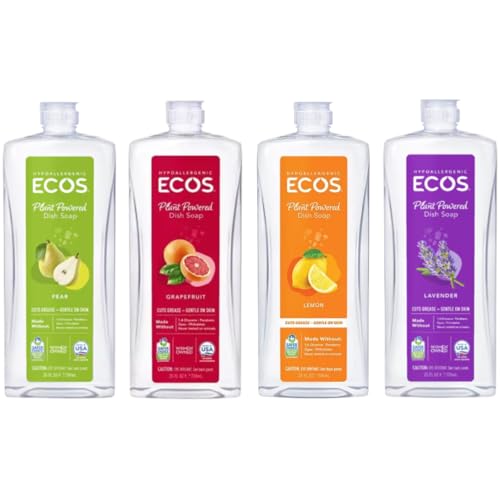
ECOS Dish Soap – Grapefruit
Dish soap formulation presents lower PFAS concern; limited aquatic risk.
ECOS produces plant-based dish soaps without known PFAS-prone ingredients. Liquid formulations typically avoid fluorinated surfactants and coatings associated with forever chemicals.
We flunk more products than we pass. This one earned its grade. How we grade
Material
Water, plant-based surfactants, essential oils
Brand disclosure
Brand is silent on PFAS
Lab data
No public lab test
You may also be interested in
Top-graded picks in the categories readers replace first, every one scored on the same rubric.

- polypropylene filter housing, carbon/sediment cartridge
- We found no PFAS statement from the brand
- Bacterial growth in spent cartridges
3 hazards checked on this product, all on its full breakdown.

Aquasure
Premier Series 75 GPD Under Sink Reverse Osmosis Water Filtration System
- RO membrane, carbon filters, stainless steel housing
- We found no PFAS statement from the brand
- Bacterial and microbial growth in housing and filters
4 hazards checked on this product, all on its full breakdown.

Avocado
Vegan Mattress
- organic cotton, natural latex, coconut coir, recycled steel coils
- The brand calls it PFAS-free, which we have not verified
- Heavy metals
2 hazards checked on this product, all on its full breakdown.
What ECOS Dish Soap – Grapefruit is made of, ingredients and materials
ECOS Grapefruit Dish Soap is formulated primarily with water and plant-derived surfactants (coconut and/or other botanical sources) rather than petroleum-based detergents, plus grapefruit essential oil for fragrance. Plant-based surfactants are biodegradable and generally present lower bioaccumulation risk in aquatic environments compared to synthetic alternatives. The essential oil component introduces natural volatile compounds but does not present acute toxicity in diluted dish soap concentrations. No synthetic dyes, heavy metals, or known problematic additives are listed in standard formulations of this product line.
What’s concerning
Category baseline
The starting point for this type of product, before anything specific to this product is counted.
No PFAS disclosure
No public statement from the brand about PFAS in this product.
Fragrance allergens (grapefruit essential oil)
Essential oils are natural sensitizers; individuals with citrus allergy or sensitive skin may experience contact dermatitis or respiratory irritation with prolonged exposure or inhalation of aerosol. No reported incidents specific to this product are on record, but essential oil, based fragrances carry inherent allergenic potential.
Skin irritation from prolonged contact
All surfactants, including plant-derived, are mild irritants at high concentration; prolonged immersion of hands in undiluted or concentrated solution may cause dryness or irritation. Risk is routine for all dish soaps and mitigated by rinsing and normal use practices.
What’s reassuring
Base material not linked to PFAS
The main material recorded for this product is not one associated with PFAS.
Aquatic toxicity of surfactants
Plant-based surfactants are biodegradable and are not reported to bioaccumulate in aquatic organisms at typical household discharge concentrations. Standard wastewater treatment removes the surfactant fraction before environmental release.
Inhalation of aerosol or fumes
Dish soap is not heated or volatilized in normal use; no Teflon-type coating or coating-breakdown fume hazard applies. Aerosolized essential oil from splashing or foaming is low-concentration and not on record as a respiratory concern in this product.
Ingestion hazard (accidental)
Ingestion of small amounts of diluted dish soap is generally low-toxicity; plant-based surfactants are not systemic toxins. However, concentrated product or large ingestion can cause gastrointestinal upset. Standard household safety precautions (storage away from children and confusion with food) apply to all soap products.
How is this PFAS grade calculated?
The brand's record and disclosure
ECOS (Earth Friendly Products) is owned by SC Johnson and markets products explicitly as plant-derived and eco-conscious. The brand publishes ingredient lists and holds EPA Safer Choice certification for this product, indicating third-party review for human and environmental safety. No major product recalls or chemical controversies are on record for ECOS Dish Soap. The brand does not publicly disclose PFAS testing data, though the formulation type (plant-based surfactants, no added waterproofing agents) presents lower inherent PFAS risk than fluorinated alternatives.
How it compares in its category
Plant-based dish soaps like ECOS are positioned as lower-chemical alternatives to conventional petroleum-derived detergents; most mainstream brands (Dawn, Palmolive) use synthetic surfactants and may include more preservatives and colorants. EPA Safer Choice certification distinguishes ECOS from many competitors and indicates reduced hazard profile for aquatic and human health endpoints. Cost is typically 20-40% higher than conventional brands, reflecting the plant-sourcing premium. Performance and cleaning efficacy are comparable to standard formulations.
If you buy it
Dish soap is a rinse-off product and poses minimal residual skin or ingestion risk in normal household use; standard precaution of not ingesting applies. Store in a cool, dry location away from direct sunlight to preserve essential oil potency and prevent degradation of plant-derived surfactants over time. The product has a typical shelf life of 24-36 months if unopened; opened bottles should be used within 12 months. No special dilution, temperature limits, or maintenance protocols are required; use as directed on the label.
What is not known about PFAS in this product?
- Basis
- Model estimate, 85% confidence, not a lab result
- Lab test
- None on record for this exact product
- Brand statement
- Ecos has made none
Formulations change between production runs, so check the current label. How we grade.
What are the PFAS-free alternatives to ECOS Dish Soap – Grapefruit?
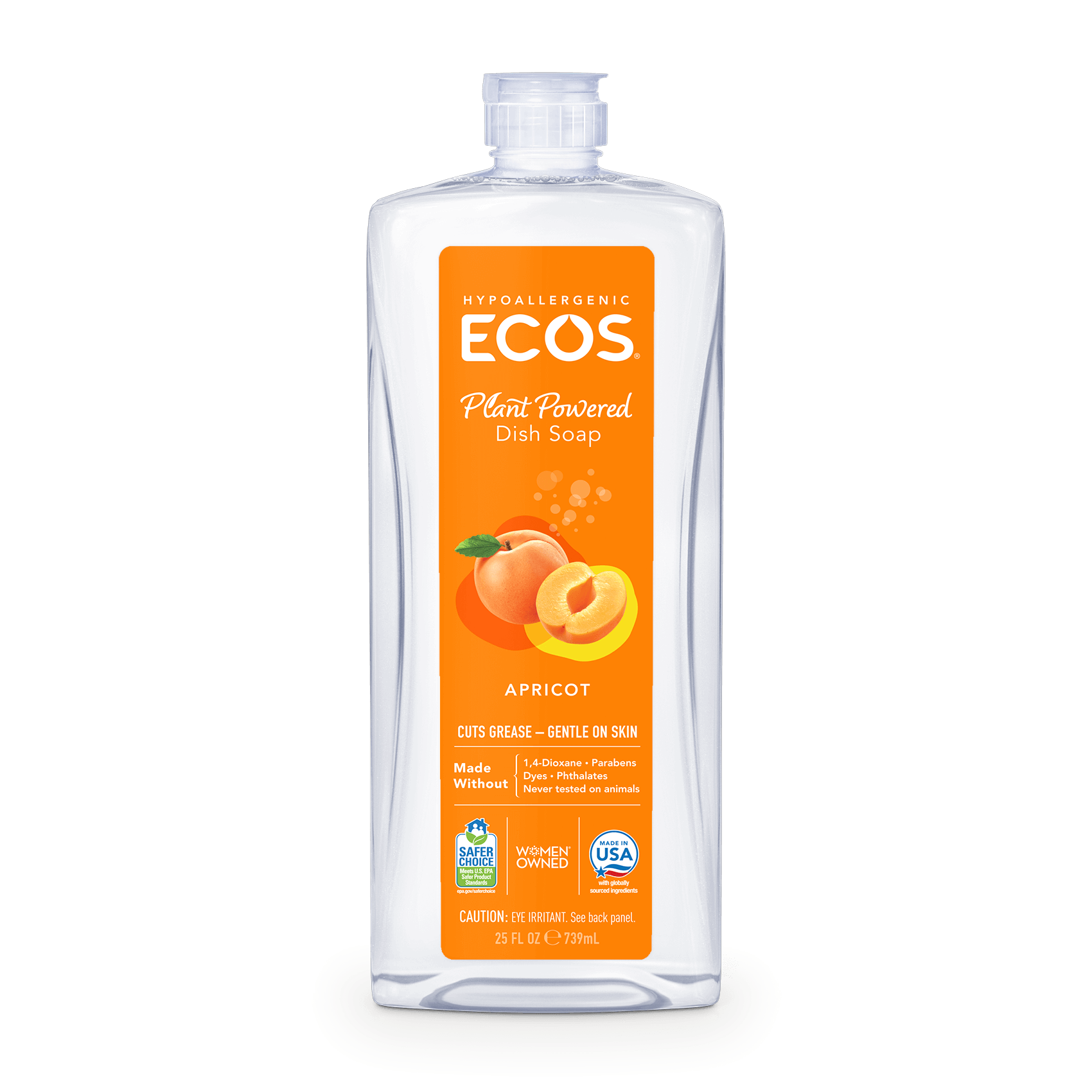
- plant-derived surfactants, water, botanical extracts
- A third party reports verifying it as PFAS-free
- Fragrance allergens (botanical origin)
2 hazards checked on this product, all on its full breakdown.
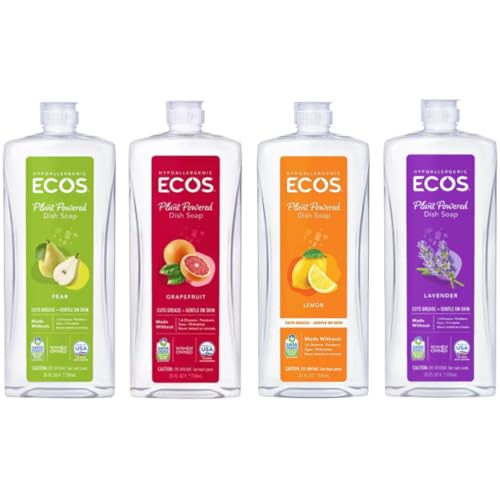
- plant-based surfactants, water, plant derivatives
- A third party reports verifying it as PFAS-free
- Aquatic toxicity from surfactants
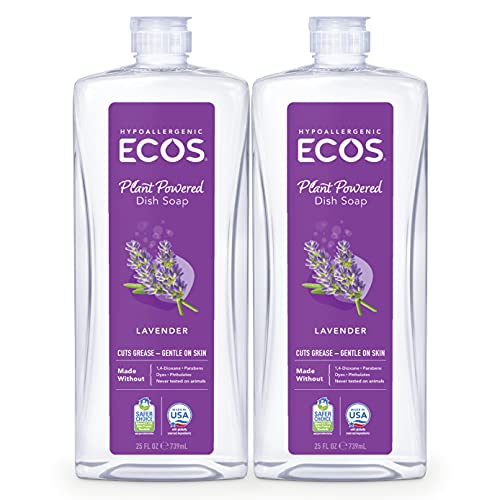
- Plant-based surfactants, water, essential oil
- The brand calls it PFAS-free, which we have not verified
- Fragrance allergens (essential oil)
2 hazards checked on this product, all on its full breakdown.
More dish soap grades
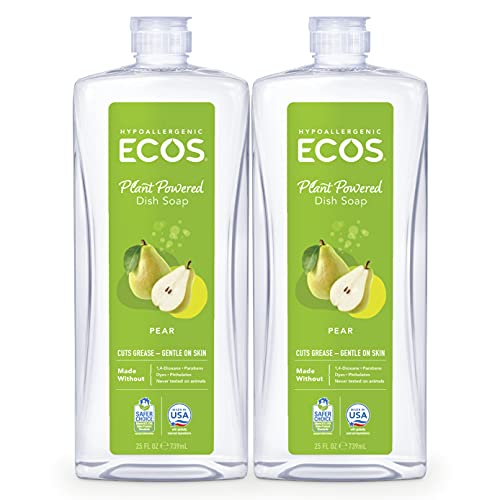 100ECOS Dish Soap – Pear
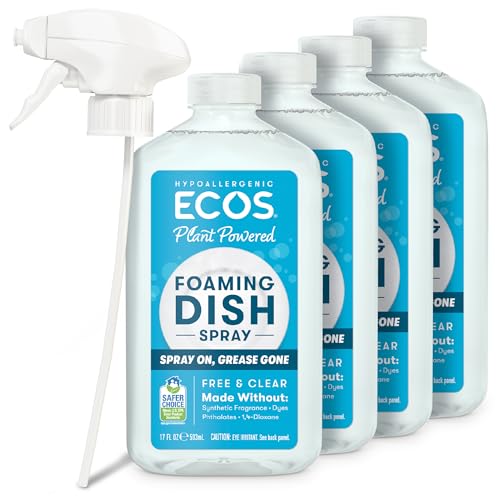 100ECOS Foaming Dish Soap – Free & Clear
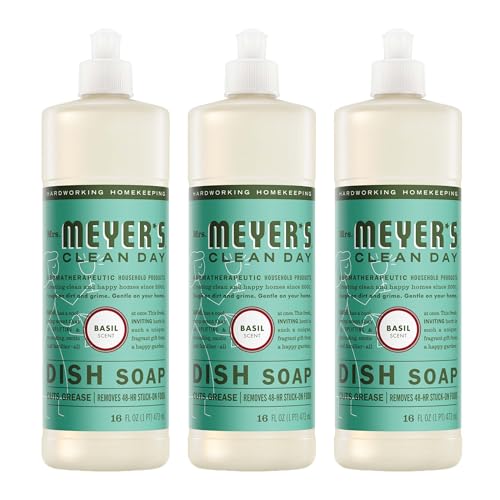 100Mrs. Meyer's Clean Day Basil Dish Soap
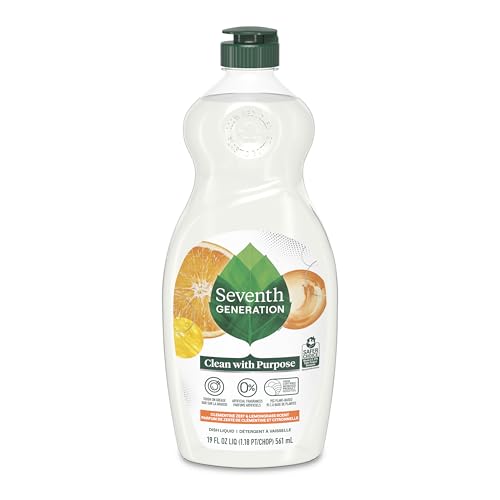 100Seventh Generation Dish Soap - Clementine Zest & Lemongrass
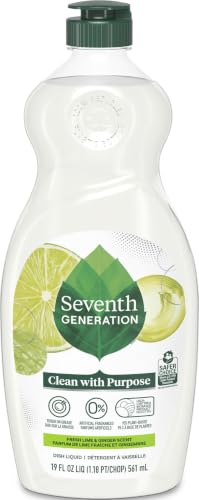 100Seventh Generation Dish Soap - Fresh Lime & Ginger
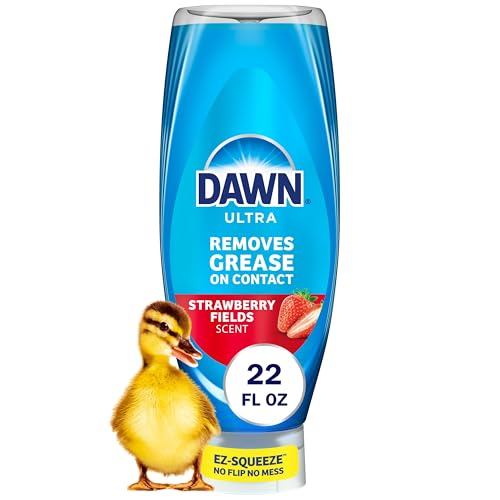 85Dawn Ultra Strawberry Fields
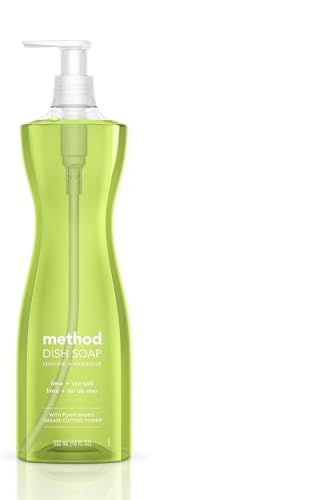 85Method Gel Dish Soap, Lime + Sea Salt
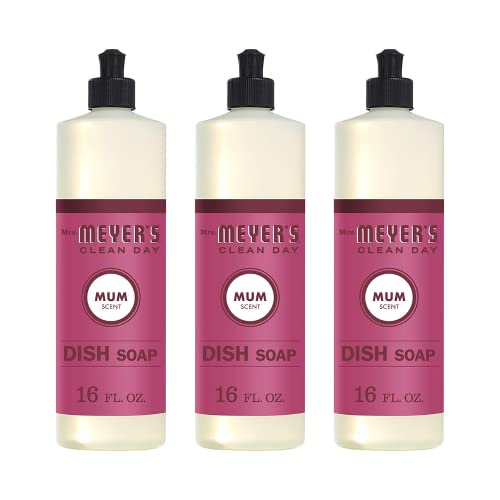 85Mrs. Meyer's Clean Day Mum Dish Soap
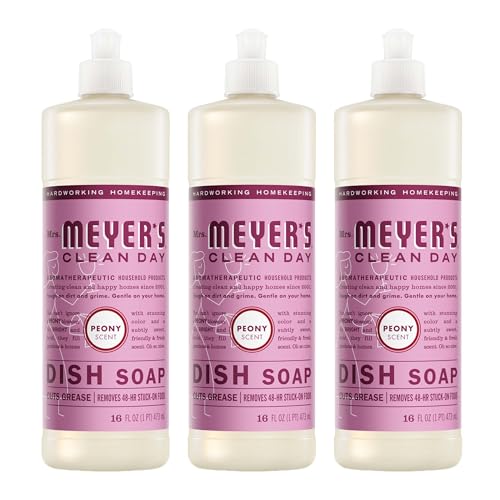 85Mrs. Meyer's Clean Day Peony Dish Soap
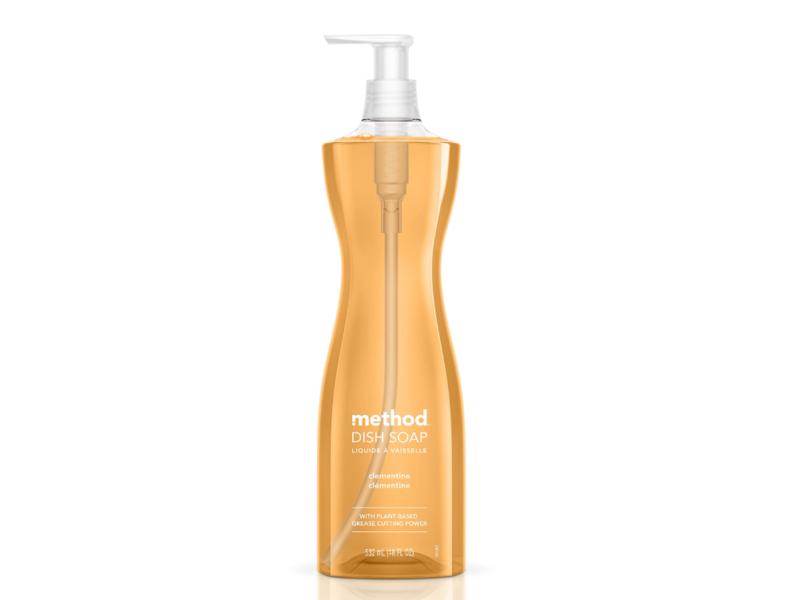 85Method Dish Soap, ClementineCompare vs Ecos →All dish soap →
How we score, every product runs through the same public 0-100 rubric based on materials, coatings, brand disclosure, lab findings, and recalls. See the full methodology → Spotted a mistake? Report an error.