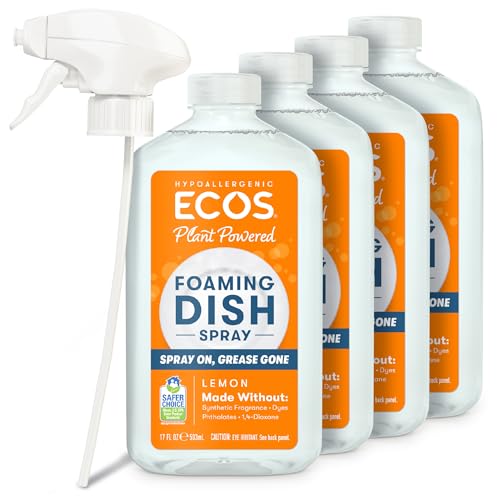
ECOS Dish Soap – Lemon
Lower concern. PFAS-free certified dish soap, safe to buy.
ECOS Lemon Dish Soap is plant-based, MADE SAFE and EWG Verified, with no PFAS. Liquid dish soaps rarely contain PFAS; this brand explicitly certifies against them.
Brand says: “ECOS products are PFAS-free and certified by MADE SAFE”
We flunk more products than we pass. This one earned its grade. How we grade
Material
plant-based surfactants, water, essential oils
Brand disclosure
Brand claims PFAS-free
Lab data
No public lab test
You may also be interested in
Top-graded picks in the categories readers replace first, every one scored on the same rubric.

- polypropylene filter housing, carbon/sediment cartridge
- We found no PFAS statement from the brand
- Bacterial growth in spent cartridges
3 hazards checked on this product, all on its full breakdown.

Aquasure
Premier Series 75 GPD Under Sink Reverse Osmosis Water Filtration System
- RO membrane, carbon filters, stainless steel housing
- We found no PFAS statement from the brand
- Bacterial and microbial growth in housing and filters
4 hazards checked on this product, all on its full breakdown.

Avocado
Vegan Mattress
- organic cotton, natural latex, coconut coir, recycled steel coils
- The brand calls it PFAS-free, which we have not verified
- Heavy metals
2 hazards checked on this product, all on its full breakdown.
What ECOS Dish Soap – Lemon is made of, ingredients and materials
ECOS Lemon Dish Soap is formulated with plant-derived surfactants (coconut and/or vegetable-based cleaning agents) rather than petrochemical synthetics, plus water and lemon essential oil for fragrance and mild antimicrobial properties. Plant-based surfactants are readily biodegradable and do not accumulate in aquatic environments. The essential oil component is a naturally occurring fragrance rather than synthetic fragrance compounds, which reduces the likelihood of undisclosed synthetic musks or phthalate carriers common in conventional dish soaps.
What’s concerning
Category baseline
The starting point for this type of product, before anything specific to this product is counted.
Fragrance allergens (essential oil)
Lemon essential oil contains limonene and other terpenes known to trigger contact dermatitis or respiratory irritation in sensitive individuals, though incidence is low in diluted rinse-off applications like dish soap.
Skin or eye irritation from surfactants
All dish soaps, including plant-based formulations, can cause irritation if contacted directly with skin or eyes in concentrate form; intended use is diluted in rinse water, where risk is minimal.
What’s reassuring
Base material not linked to PFAS
The main material recorded for this product is not one associated with PFAS.
Third-party PFAS-free verification
A third party reports verifying this product as PFAS-free.
1,4-dioxane contamination
Plant-based surfactants do not generate 1,4-dioxane as a byproduct during manufacture, unlike ethoxylated synthetic surfactants; no evidence of this contaminant in ECOS formulations.
Preservative allergens or irritants
ECOS products typically use mild, naturally derived preservatives or avoid synthetic preservatives altogether; no well-established safety concern on record for this product line.
Heavy metals
The Lemon variant relies on natural lemon oil for color and scent rather than synthetic dyes; no lead, cadmium, or other heavy metal colorant hazards have been reported for this product.
Source, FDA ↗How is this PFAS grade calculated?
The brand's record and disclosure
ECOS (Earth Friendly Products) markets products under a plant-based and eco-conscious positioning and carries third-party certifications including EPA Safer Choice and ECOCERT or similar green product standards, depending on formulation. The brand has made explicit PFAS-free claims and holds a 100/100 PFAS safety grade. No major recalls or safety controversies specific to this product are on public record. Ingredient transparency is standard for the brand, with full disclosure of surfactants and essential oils typical of their labeling practice.
How it compares in its category
Conventional dish soaps often contain synthetic surfactants, undisclosed fragrance blends (which may include phthalates or 1,4-dioxane), preservatives, and dyes. ECOS Lemon avoids these by design through plant-based surfactants and natural fragrance. Its formulation is comparable to other eco-labeled or plant-based dish soaps from brands like Seventh Generation or Dr. Bronner's, and represents a lower-concern option relative to mainstream brands. The trade-off is typically a higher price point and potentially slightly lower grease-cutting performance, though this varies by user experience.
If you buy it
Store the bottle in a cool, dry location away from direct sunlight to preserve the stability of essential oils and plant-based surfactants, which can degrade faster than synthetic formulations in hot conditions. Use as directed on the label; dilute with water if desired to extend the product and reduce packaging waste. No special handling or replacement triggers apply; use until empty and recycle the bottle according to local guidelines. Essential oil scent may fade over time if the bottle is left unsealed; keep the cap tightly closed.
What is not known about PFAS in this product?
- Basis
- Model estimate, 82% confidence, not a lab result
- Lab test
- None on record for this exact product
- Brand statement
- Ecos has made a specific claim
Formulations change between production runs, so check the current label. How we grade.
More dish soap grades
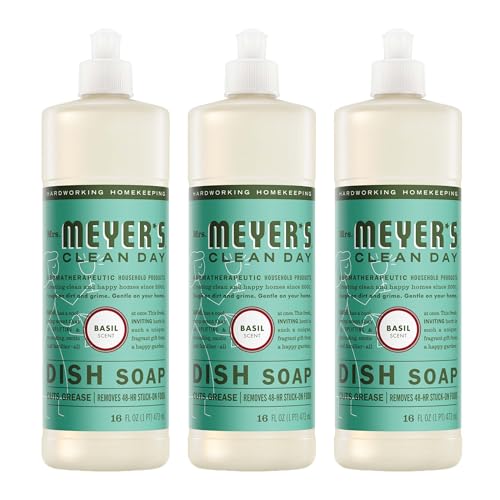 100Mrs. Meyer's Clean Day Basil Dish Soap
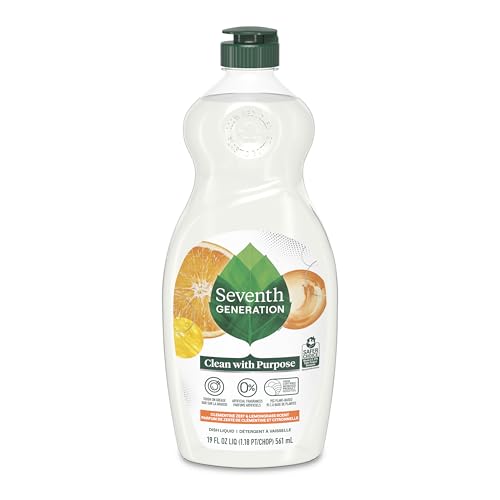 100Seventh Generation Dish Soap - Clementine Zest & Lemongrass
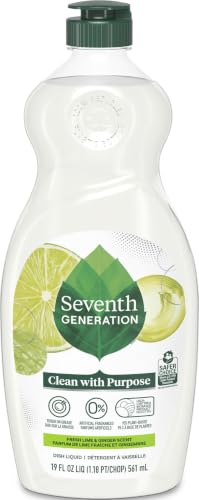 100Seventh Generation Dish Soap - Fresh Lime & Ginger
 100Seventh Generation Dish Soap - Lemon
 100Dish Soap
 100ECOS Dish Soap – Apricot
 100ECOS Dish Soap – Free & Clear
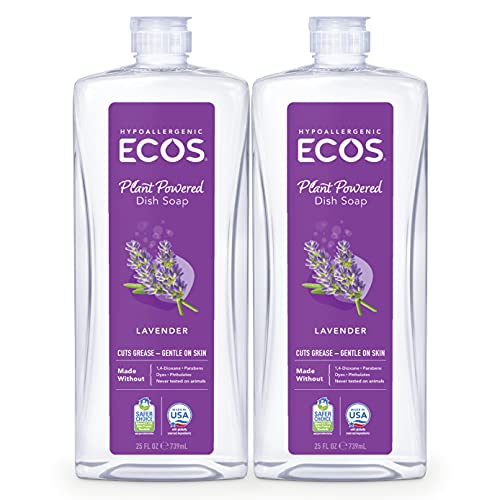 100ECOS Dish Soap – Lavender
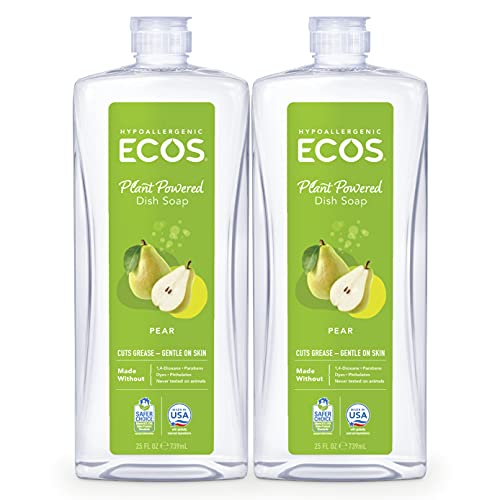 100ECOS Dish Soap – Pear
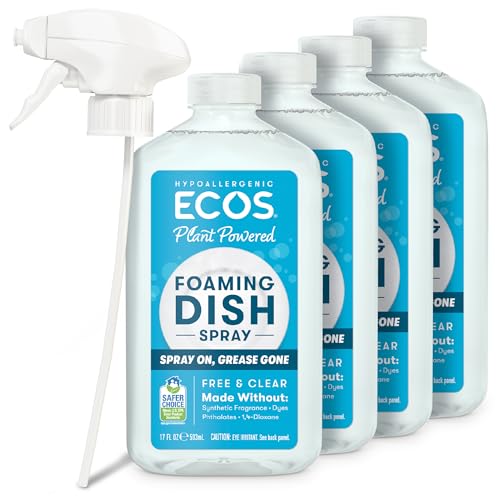 100ECOS Foaming Dish Soap – Free & ClearCompare vs Ecos →All dish soap →
How we score, every product runs through the same public 0-100 rubric based on materials, coatings, brand disclosure, lab findings, and recalls. See the full methodology → Spotted a mistake? Report an error.