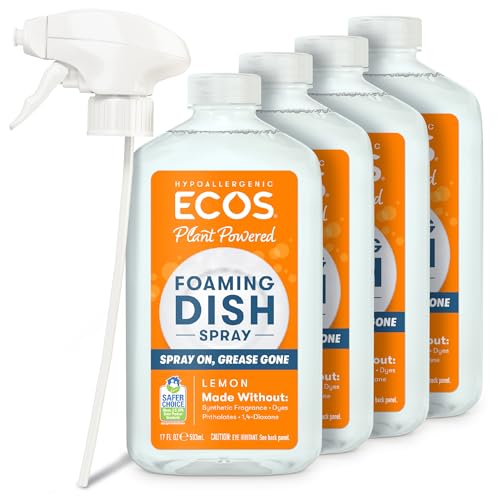
ECOS Foaming Dish Soap – Lemon
Low PFAS concern. Plant-based dish soap with third-party certification.
ECOS Foaming Dish Soap is water-based and Made Safe certified, indicating no intentional PFAS. As a liquid dish soap without water-repellent or nonstick functions, PFAS use is unlikely. Lower concern product.
Brand says: “ECOS products are PFAS-free and are Made Safe certified.”
We flunk more products than we pass. This one earned its grade. How we grade
Material
plant-derived surfactants, water-based formula
Brand disclosure
Brand claims PFAS-free
Lab data
No public lab test
You may also be interested in
Top-graded picks in the categories readers replace first, every one scored on the same rubric.

- polypropylene filter housing, carbon/sediment cartridge
- We found no PFAS statement from the brand
- Bacterial growth in spent cartridges
3 hazards checked on this product, all on its full breakdown.

Aquasure
Premier Series 75 GPD Under Sink Reverse Osmosis Water Filtration System
- RO membrane, carbon filters, stainless steel housing
- We found no PFAS statement from the brand
- Bacterial and microbial growth in housing and filters
4 hazards checked on this product, all on its full breakdown.

Avocado
Vegan Mattress
- organic cotton, natural latex, coconut coir, recycled steel coils
- The brand calls it PFAS-free, which we have not verified
- Heavy metals
2 hazards checked on this product, all on its full breakdown.
What ECOS Foaming Dish Soap – Lemon is made of, ingredients and materials
ECOS Foaming Dish Soap is formulated with plant-derived surfactants rather than petroleum-based detergents, combined with water and preservatives. Plant surfactants biodegrade faster and are generally recognized as lower concern for aquatic toxicity compared to synthetic alternatives. The foaming agent in this product is achieved through surfactant formulation, not chemical propellants, reducing inhalation hazards typical of aerosol cleaners.
What’s concerning
Category baseline
The starting point for this type of product, before anything specific to this product is counted.
1,4-dioxane (secondary contaminant from ethoxylated surfactants)
Plant-derived ethoxylated surfactants may contain trace 1,4-dioxane as a manufacturing byproduct. ECOS does not publicly disclose residual dioxane testing; third-party PFAS certification does not guarantee dioxane screening.
Fragrance allergen sensitization (lemon)
Lemon fragrance oils and limonene are known contact sensitizers in individuals with fragrance sensitivity. Prolonged skin exposure during repeated dishwashing without rinsing may increase reaction risk in sensitive populations.
Eye and mucous membrane irritation
Foaming dish soaps are surfactant concentrates and will cause eye irritation if direct contact occurs. This is standard across all dish soap formulations and does not reflect elevated risk for this product.
What’s reassuring
Base material not linked to PFAS
The main material recorded for this product is not one associated with PFAS.
Third-party PFAS-free verification
A third party reports verifying this product as PFAS-free.
Formaldehyde / VOCs
ECOS formulations typically use parabens or non-formaldehyde release preservatives; no known issue on record for this specific product, though ingredient list should be reviewed for individual preservative tolerance.
Source, ATSDR ↗Heavy metals
No established record of heavy metal contamination or excessive mineral content in ECOS plant-derived formulations; plant-sourced ingredients carry lower lead/cadmium risk than mineral-derived alternatives.
Source, FDA ↗How is this PFAS grade calculated?
The brand's record and disclosure
ECOS (Earth Friendly Products) maintains third-party PFAS-free certification and publishes ingredient disclosures. The brand holds Environmental Protection Agency Safer Choice recognition for multiple product lines, indicating third-party review of ingredient safety. No major recalls or undisclosed contamination incidents are on record for this product line.
How it compares in its category
Plant-based foaming dish soaps occupy a lower-concern segment than conventional petroleum-derived detergents and far-UV antimicrobial soaps. Most conventional dish soaps lack third-party toxicological or PFAS screening; ECOS's certification distinguishes it. Cost per use is typically 15-30% higher than bulk conventional brands, reflecting sourcing and certification overhead.
If you buy it
Use as directed on the label; no special storage or heat precautions apply to liquid hand soap. The foam dispensing mechanism may clog if refilled with thicker soaps or non-compatible liquids; rinse the pump mechanism if storage extends beyond 6 months. Standard dish soap poses no burn or toxicity hazard at household dilution levels; accidental ingestion of small amounts does not require medical intervention, though nausea is possible.
What is not known about PFAS in this product?
- Basis
- Model estimate, 82% confidence, not a lab result
- Lab test
- None on record for this exact product
- Brand statement
- Ecos has made a specific claim
Formulations change between production runs, so check the current label. How we grade.
More dish soap grades
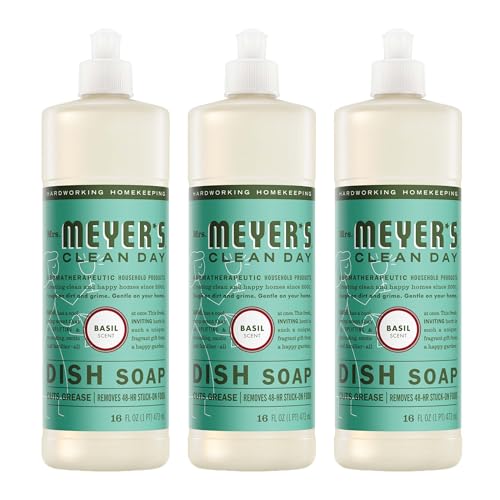 100Mrs. Meyer's Clean Day Basil Dish Soap
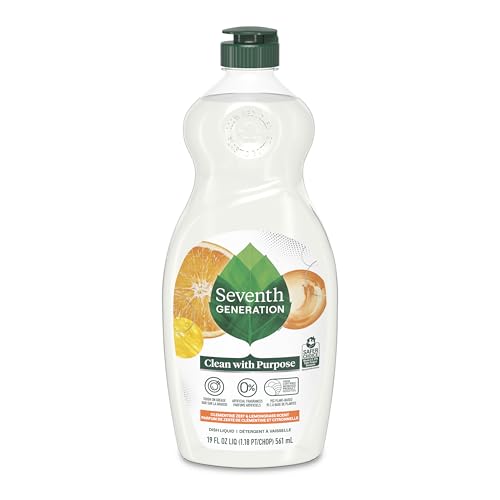 100Seventh Generation Dish Soap - Clementine Zest & Lemongrass
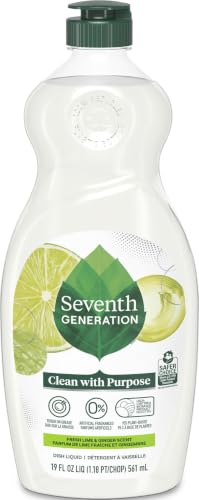 100Seventh Generation Dish Soap - Fresh Lime & Ginger
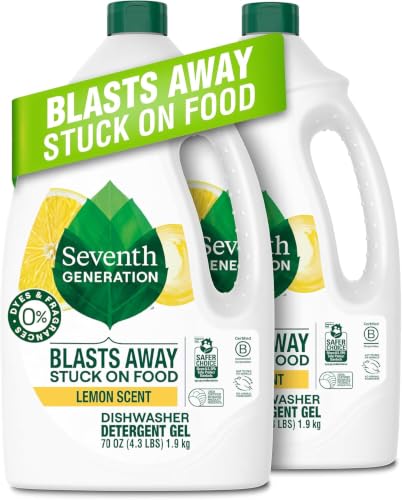 100Seventh Generation Dish Soap - Lemon
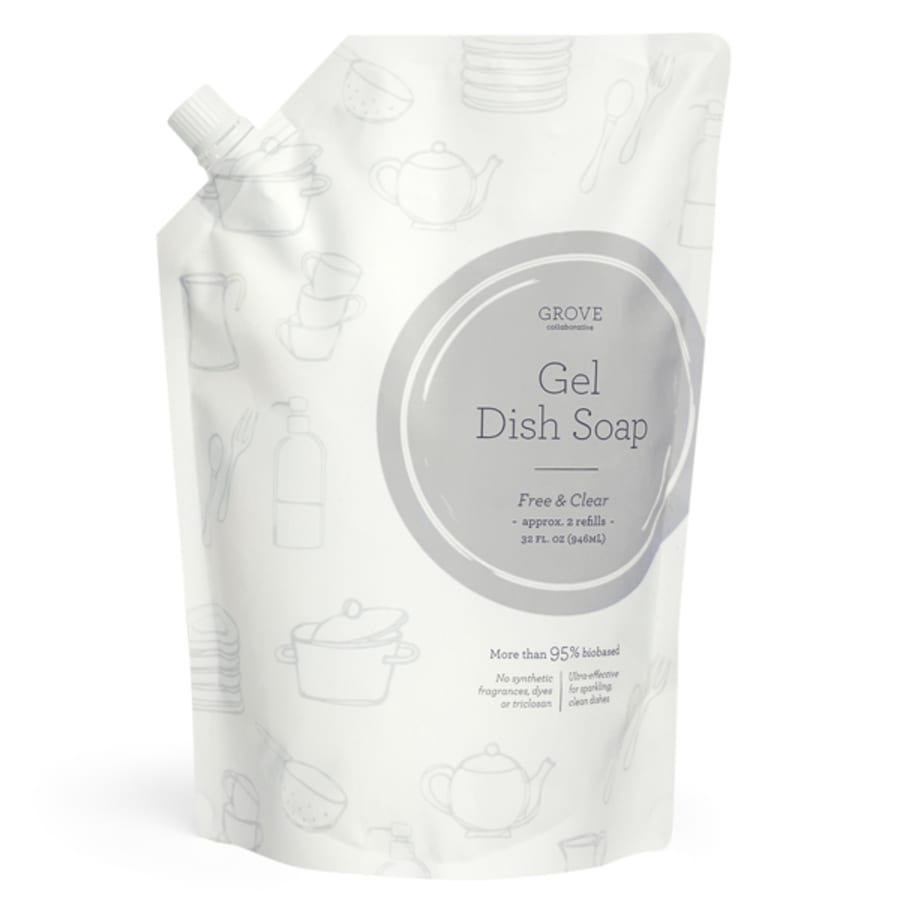 100Dish Soap
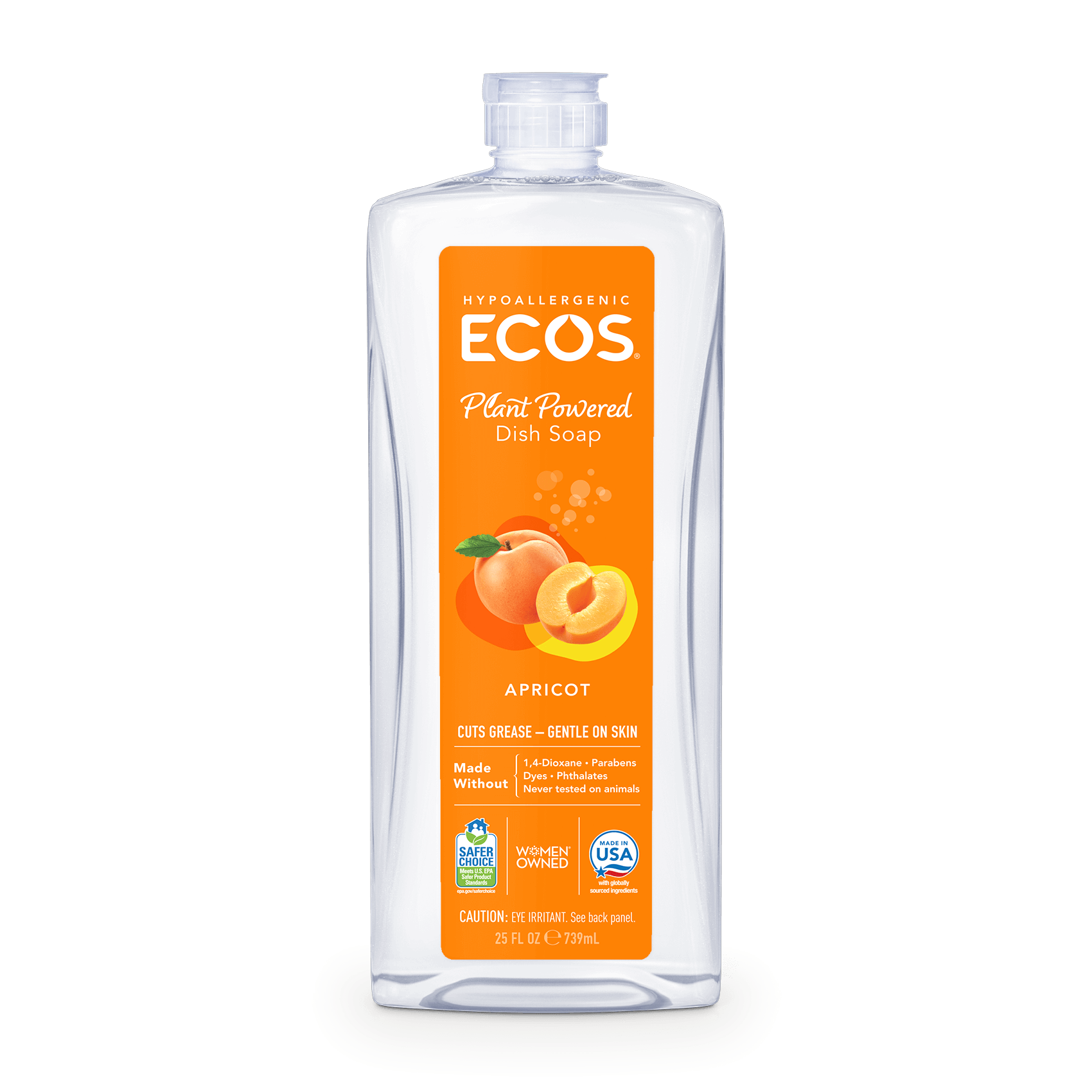 100ECOS Dish Soap – Apricot
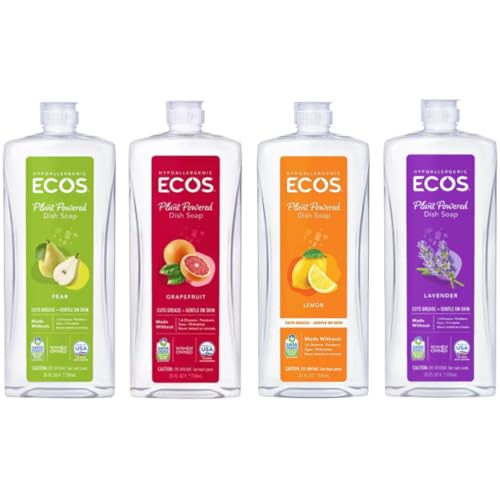 100ECOS Dish Soap – Free & Clear
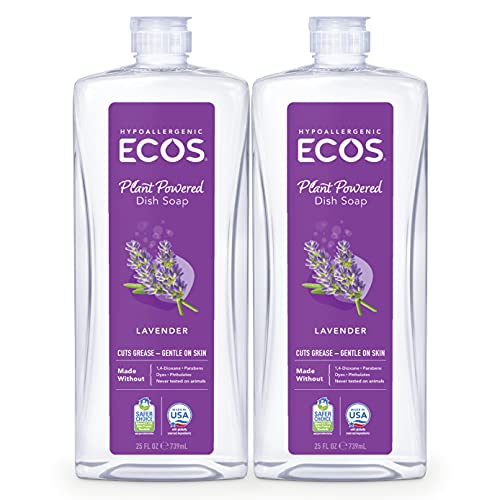 100ECOS Dish Soap – Lavender
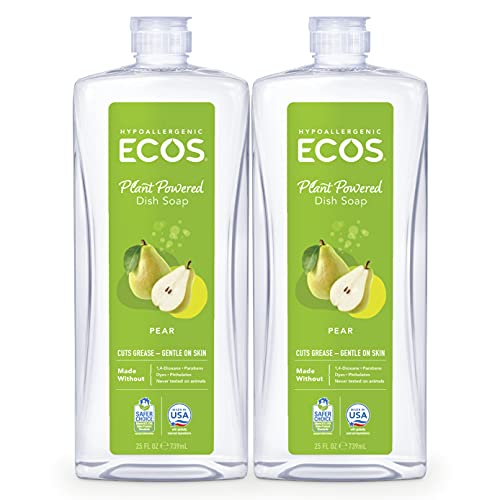 100ECOS Dish Soap – Pear
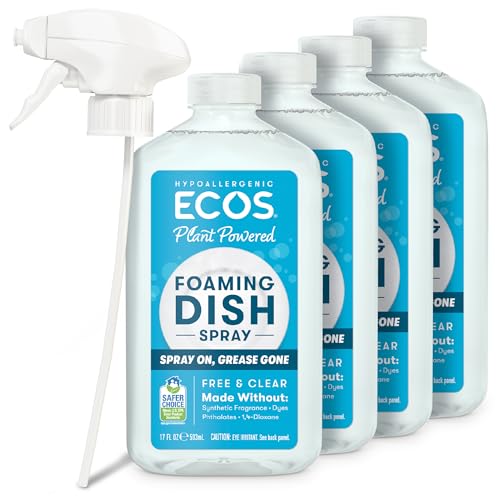 100ECOS Foaming Dish Soap – Free & ClearCompare vs Ecos →All dish soap →
How we score, every product runs through the same public 0-100 rubric based on materials, coatings, brand disclosure, lab findings, and recalls. See the full methodology → Spotted a mistake? Report an error.