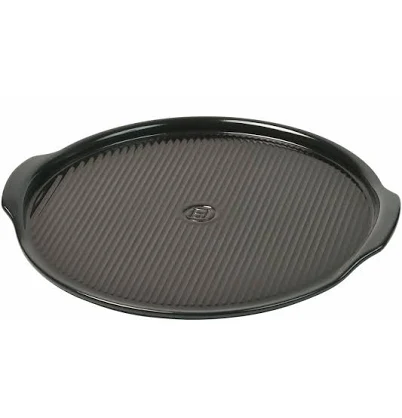
Emile Henry · Pizza Stones & Baking Surfaces
Emile Henry Pizza Stone EH349514
Low PFAS risk, traditional stoneware pizza stone with no coatings or treatments.
Clay or stoneware without nonstick or synthetic finishes. The material class doesn't inherently require or commonly contain PFAS, with no brand PFAS claim made.
The better-graded swap
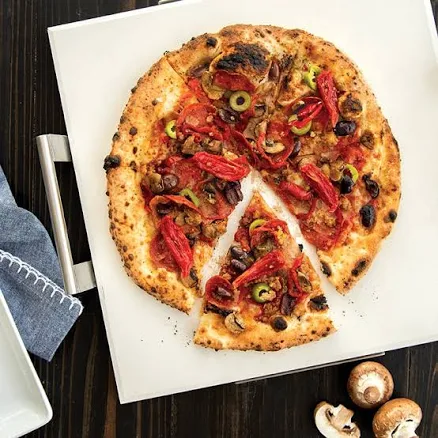
Deluxe Square Pizza Stone with Rack
90/100 safety
Same rubric that flunked this product. The swap earned Excellent.
Still want this one anyway? Check the price on Amazon. We’d swap it.
Material
Clay/stoneware (uncoated, no synthetic finishes)
Brand disclosure
Brand is silent on PFAS
Lab data
No public lab test
Is Emile Henry Pizza Stone EH349514 non-toxic? What it is made of
The Emile Henry EH349514 is cast from natural clay and stoneware, fired at high temperature with no glazes, enamel coatings, or synthetic finishes applied to the cooking surface. This means there is no Teflon-type coating (nonstick resin), no epoxy liners, and no chemical treatments to degrade or release harmful compounds into food over time. High-fired stoneware is chemically stable under normal baking temperatures (up to 500°F typical use, often rated to 600°F).
What’s concerning
No PFAS disclosure
No public statement from the brand about PFAS in this product.
Category baseline
The starting point for this type of product, before anything specific to this product is counted.
Thermal shock and breakage
Stoneware pizza stones are susceptible to cracking if exposed to rapid temperature changes (e.g., moving from a hot oven directly into water). This is a mechanical failure risk rather than a chemical one but can create sharp edges and potential injury or food contamination if fragments enter food.
Bacterial growth in porous surface
Stoneware is porous and can trap moisture and food residue if not dried thoroughly after washing. Poor drying practices or storage in damp conditions could promote bacterial growth, though this is a hygiene issue rather than a material toxicity concern. Regular hand washing and air drying mitigate this risk.
What’s reassuring
Base material not linked to PFAS
The main material recorded for this product is not one associated with PFAS.
Lead
No recalls or public testing data exist for this specific Emile Henry product. Lead and cadmium leaching from unglazed stoneware is theoretically possible but occurs at trace levels well below regulatory thresholds in high-fired products from established manufacturers. No evidence of contamination in Emile Henry stoneware is on record.
Source, ATSDR ↗Coating degradation
This product has no synthetic coatings, enamels, or glazes on the cooking surface, eliminating the risk of chip-off or flaking common to glazed ceramics or nonstick cookware. The uncoated stoneware surface is inherently durable and does not degrade chemically with use.
Teflon-type coating and nonstick fume risk
This uncoated stoneware product contains no Teflon-type coating, silicone, or other nonstick polymers, eliminating the risk of fume release at high temperature. Stoneware naturally resists sticking without chemical coatings.
The full breakdown
The brand's record and disclosure
Emile Henry is a French heritage cookware brand with a long established history in ceramic bakeware and does not publicly disclose specific third-party safety certifications for individual products. The brand has no known recalls or public safety controversies related to lead, cadmium, or other heavy metals in its stoneware lines. Emile Henry maintains general quality standards but does not provide itemized material testing reports to consumers on this product.
How it compares in its category
Uncoated stoneware pizza stones are among the lowest-risk options in the bakeware category because they eliminate coating degradation, Teflon-type coating fume risk, and nonstick chemical leaching concerns entirely. Unlike glazed ceramic pieces, the EH349514 has no glaze layer where lead or cadmium contamination could hide, though raw stoneware does still carry a residual (very low) heavy metal leaching risk common to all clay products. Compared to metal or silicone alternatives, stoneware is functionally superior for pizza and bread baking and carries no polymer-related hazards.
If you buy it
Season the stone lightly with oil before first use and allow it to heat gradually to avoid thermal shock cracking. Do not use above 500°F for extended periods, and allow it to cool completely before washing; stoneware can crack if exposed to sudden temperature drops. Inspect periodically for deep cracks or chips that could harbor bacteria; replace if structural integrity is compromised. Hand wash only; dishwasher use will degrade the surface and accelerate wear.
What we don’t know
- Basis
- Model estimate, 88% confidence, not a lab result
- Lab test
- None on record for this exact product
- Brand statement
- Emile Henry has made none
Formulations change between production runs, so check the current label. How we grade.
Better-graded alternatives in Pizza Stones & Baking Surfaces
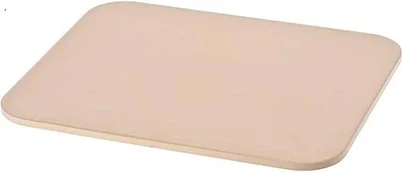
15-Inch Ceramic Pizza Stone for Perfect Crispy Crusts
- Ceramic (clay-based baking stone)
- The brand calls it PFAS-free, which we have not verified
- Glaze degradation and surface leaching
3 hazards checked on this product. See all of them.
Deluxe Square Pizza Stone with Rack
- ceramic or unglazed stone; no nonstick coating
- The brand calls it PFAS-free, which we have not verified
- Ceramic or stone cracking and fragmentation
2 hazards checked on this product. See all of them.
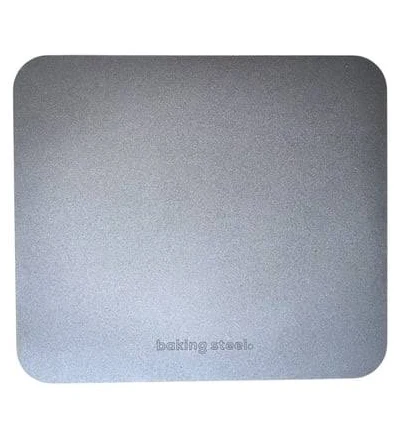
Baking Steel
The Original Ultra Conductive Pizza Stone
- carbon steel (bare metal, no coating)
- We found no PFAS statement from the brand
- Rust and corrosion
2 hazards checked on this product. See all of them.
More pizza stones & baking surfaces grades
How we score, every product runs through the same public 0-100 rubric based on materials, coatings, brand disclosure, lab findings, and recalls. See the full methodology → Spotted a mistake? Report an error.