Le Creuset · Pizza Stones & Baking Surfaces
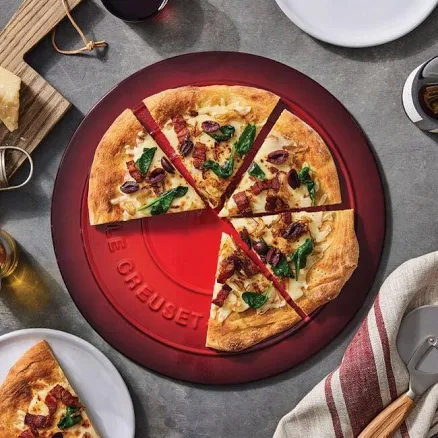
Le Creuset Stoneware Pizza Stone
Lower PFAS concern, uncoated ceramic stoneware poses minimal risk.
Glazed ceramic stoneware without nonstick or Teflon-family coating. Le Creuset doesn't disclose PFAS practices, but the material itself doesn't require water- or grease-resistant treatments where PFAS are common.
The better-graded swap
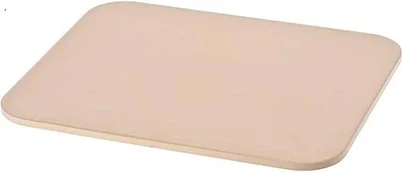
15-Inch Ceramic Pizza Stone for Perfect Crispy Crusts
90/100 safety
Same rubric that flunked this product. The swap earned Excellent.
Still want this one anyway? Check the price on Amazon. We’d swap it.
Material
glazed stoneware; no nonstick coating
Lab data
No public lab test
Is Le Creuset Stoneware Pizza Stone non-toxic? What it is made of
Le Creuset stoneware pizza stones are fired clay with a ceramic glaze applied to the surface. Unlike nonstick cookware (which uses Teflon-type coating or other coatings), stoneware relies on the dense, vitrified clay body and glaze finish to prevent sticking, eliminating concerns about coating breakdown or fume release from overheating. The glaze is a glass-like layer fused to the clay during high-temperature firing, which chemically bonds and does not leach into food under normal baking conditions.
What’s concerning
Category baseline
The starting point for this type of product, before anything specific to this product is counted.
No PFAS disclosure
No public statement from the brand about PFAS in this product.
Glaze crazing and microchip shedding
Repeated thermal stress can cause glazes to develop fine cracks (crazing) over years of use. While Le Creuset glazes are durable, eventual surface degradation is common with all stoneware. Chips exposing raw clay pose contamination risk and warrant replacement rather than continued use.
Thermal shock fracture
Stoneware pizza stones are brittle and prone to cracking if exposed to rapid temperature changes. This is a physical hazard (potential for sharp fragments or loss of structural integrity) rather than a chemical one, but it is well-documented for the product category and requires careful handling.
What’s reassuring
Base material not linked to PFAS
The main material recorded for this product is not one associated with PFAS.
Lead
Le Creuset produces cookware subject to FDA and EU regulations on ceramic glazes. No documented lead or cadmium contamination has been reported for their pizza stones. Standard high-firing kiln processes used by established manufacturers chemically stabilize glazes, preventing heavy metal leaching.
Source, ATSDR ↗Aluminum leaching
This product is stoneware, not aluminum. Aluminum cookware leaching hazard does not apply. Stoneware is chemically inert after firing.
Coating degradation and particle release
Unlike nonstick coatings that can flake or degrade, a properly fired ceramic glaze on stoneware does not shed particles under normal baking use. The glaze chemically bonds to clay and remains stable unless mechanically damaged.
The full breakdown
The brand's record and disclosure
Le Creuset is a well-established cookware manufacturer with a history of quality control and European manufacturing standards. The company does not publicly disclose detailed PFAS statements, but their commitment to ceramic and enameled cast iron (without nonstick coatings) reflects a product line design that avoids PFAS-dependent technologies. No major safety recalls or third-party testing controversies involving glazes or leaching have been documented for their stoneware pizza stones in public records.
How it compares in its category
Stoneware pizza stones like this one have lower concern in the category because they are not a material linked to synthetic nonstick coatings, flame retardants, or proprietary polymer finishes. Mass-market alternatives sometimes use lower-fired clay or untested glaze formulations; premium brands like Le Creuset invest in higher firing temperatures and glaze testing, reducing variability. Steel or ceramic pizza stones without glaze may offer similar safety but with rougher surfaces that require more oil and maintenance.
If you buy it
Preheat the stone gradually in the oven (place it on a low rack and increase temperature slowly over 15 minutes) to avoid thermal shock cracking. Hand wash rather than use a dishwasher to preserve the glaze. Avoid sudden temperature changes, such as moving the hot stone to a cold surface or pouring cold liquid on it. Replace if the glaze develops visible crazing, persistent staining, or chips that expose raw clay, as these can compromise hygiene and durability over time.
What we don’t know
- Basis
- Model estimate, 88% confidence, not a lab result
- Lab test
- None on record for this exact product
- Brand statement
- Le Creuset has made a specific claim
Formulations change between production runs, so check the current label. How we grade.
Better-graded alternatives in Pizza Stones & Baking Surfaces
15-Inch Ceramic Pizza Stone for Perfect Crispy Crusts
- Ceramic (clay-based baking stone)
- The brand calls it PFAS-free, which we have not verified
- Glaze degradation and surface leaching
3 hazards checked on this product. See all of them.
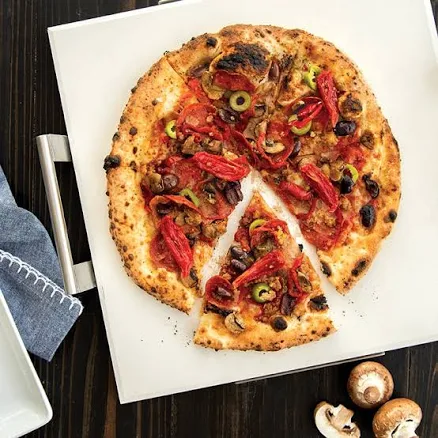
Deluxe Square Pizza Stone with Rack
- ceramic or unglazed stone; no nonstick coating
- The brand calls it PFAS-free, which we have not verified
- Ceramic or stone cracking and fragmentation
2 hazards checked on this product. See all of them.
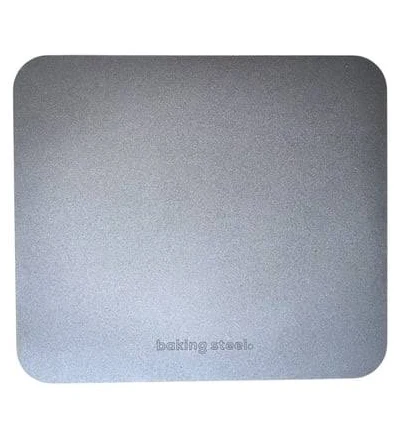
Baking Steel
The Original Ultra Conductive Pizza Stone
- carbon steel (bare metal, no coating)
- We found no PFAS statement from the brand
- Rust and corrosion
2 hazards checked on this product. See all of them.
More pizza stones & baking surfaces grades
How we score, every product runs through the same public 0-100 rubric based on materials, coatings, brand disclosure, lab findings, and recalls. See the full methodology → Spotted a mistake? Report an error.