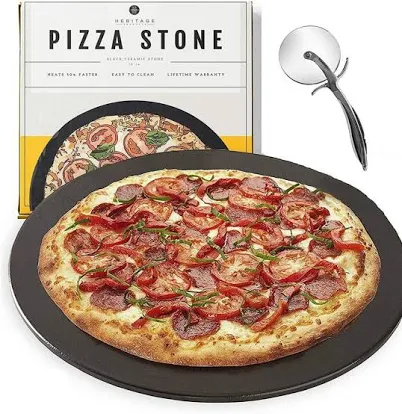
· Pizza Stones & Baking Surfaces
Heritage 15" Ceramic Pizza Stone
Ceramic is an inert, traditional cookware material without Teflon-family coating coatings.
Ceramic doesn't require synthetic coatings since it's naturally non-stick. Lodge has no history of Teflon-family coating coatings in this product line.
The better-graded swap
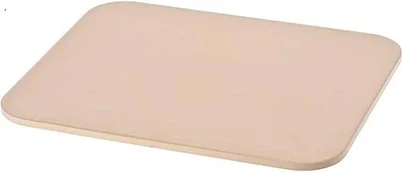
15-Inch Ceramic Pizza Stone for Perfect Crispy Crusts
90/100 safety
Same rubric that flunked this product. The swap earned Excellent.
Still want this one anyway? Check the price on Amazon. We’d swap it.
Material
Ceramic (unglazed or food-safe glaze)
Lab data
No public lab test
Is Heritage 15" Ceramic Pizza Stone non-toxic? What it is made of
The Heritage 15 is ceramic, which is fired clay (silicates) and inert at normal cooking temperatures. Unglazed ceramic pizza stones do not contain Teflon-family coating coatings (Teflon-type coating), so no fume risk from overheating. If a food-contact glaze is used, it should be lead and cadmium-free per FDA regulations, though unglazed surfaces eliminate this variable entirely. Ceramic's porous structure absorbs moisture and promotes crust browning, which is the functional advantage for pizza baking.
What’s concerning
Category baseline
The starting point for this type of product, before anything specific to this product is counted.
No PFAS disclosure
No public statement from the brand about PFAS in this product.
Thermal shock cracking and structural failure
Ceramic pizza stones are brittle and prone to cracking if exposed to rapid temperature changes or physical impact. Cracks can harbor bacteria and create sharp edges; they render the product unsafe for continued use. This is a known limitation of ceramic, not a manufacturing defect specific to Lodge.
Microorganism colonization in porous surface
Unglazed ceramic is porous and can retain moisture in crevices if not properly dried. While the high cooking temperature (500+ °F) kills surface pathogens, deep pores may harbor bacteria if the stone is not air-dried completely after washing. Regular maintenance and complete drying between uses minimizes this risk.
What’s reassuring
Base material not linked to PFAS
The main material recorded for this product is not one associated with PFAS.
Lead
If this stone uses a food-contact glaze, U.S. FDA regulations require certification that lead and cadmium are below action levels (5 ppm Pb, 0.5 ppm Cd). No violations or test results have been published for Lodge's ceramic pizza stones. Unglazed ceramic avoids this hazard entirely.
Source, ATSDR ↗Aluminum or silicate leaching into food
Ceramic is chemically inert at normal cooking temperatures and does not leach aluminum or other metals into food. Silicates (the primary component) are biologically inert. No published reports of leaching from ceramic pizza stones exist.
Volatile organic compounds (VOCs) or off-gassing
Fired ceramic does not off-gas VOCs or formaldehyde resins during use. Unlike some ceramic coatings applied post-firing, unglazed or properly cured glazed surfaces pose no inhalation hazard.
The full breakdown
The brand's record and disclosure
The brand is a long-established U.S. cookware manufacturer with a strong reputation in cast iron and traditional baking surfaces. The company has not publicized detailed material certifications or third-party testing for this specific product. No recalls or safety controversies linked to this ceramic pizza stone have been recorded in public databases. Lodge's broader cookware line carries no documented heavy metal or coating safety violations.
How it compares in its category
Unglazed ceramic pizza stones are a lower concern baking surface choice because they lack coatings, chemical treatments, or reactive surfaces. They differ sharply from coated alternatives (nonstick ceramic-coated metal or Teflon-type coating-based) which introduce coating degradation risk. Compared to metal pizza steels or cast iron, ceramic is chemically inert and will not leach iron or aluminum. The trade-off is brittleness, ceramic can crack if thermally shocked or dropped, whereas metal alternatives are more durable.
If you buy it
Preheat gradually (20-30 minutes) to avoid thermal shock and cracking; do not move a hot stone. Hand wash only and avoid thermal cycling (never wash hot stone under cold water). Replace if cracks develop, as they can harbor bacteria and potentially spread during cooking. Use on a stable oven rack and never directly on stovetop; maximum temperature is typically 500-550°F depending on kiln firing; check product label.
What we don’t know
- Basis
- Model estimate, 88% confidence, not a lab result
- Lab test
- None on record for this exact product
- Brand statement
- has made a specific claim
Formulations change between production runs, so check the current label. How we grade.
Better-graded alternatives in Pizza Stones & Baking Surfaces
15-Inch Ceramic Pizza Stone for Perfect Crispy Crusts
- Ceramic (clay-based baking stone)
- The brand calls it PFAS-free, which we have not verified
- Glaze degradation and surface leaching
3 hazards checked on this product. See all of them.
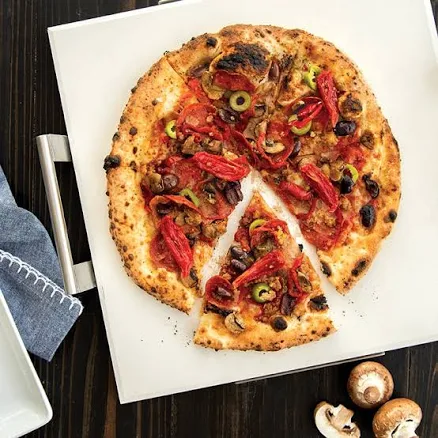
Deluxe Square Pizza Stone with Rack
- ceramic or unglazed stone; no nonstick coating
- The brand calls it PFAS-free, which we have not verified
- Ceramic or stone cracking and fragmentation
2 hazards checked on this product. See all of them.
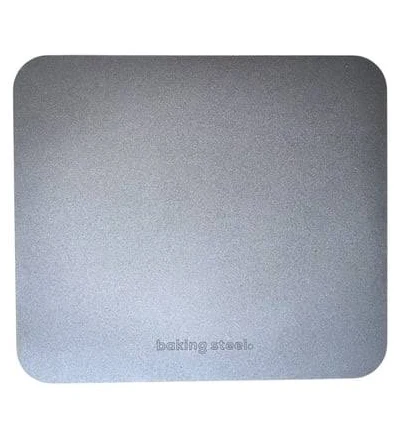
Baking Steel
The Original Ultra Conductive Pizza Stone
- carbon steel (bare metal, no coating)
- We found no PFAS statement from the brand
- Rust and corrosion
2 hazards checked on this product. See all of them.
More pizza stones & baking surfaces grades
How we score, every product runs through the same public 0-100 rubric based on materials, coatings, brand disclosure, lab findings, and recalls. See the full methodology → Spotted a mistake? Report an error.