Estée Lauder · Foundation & Primer
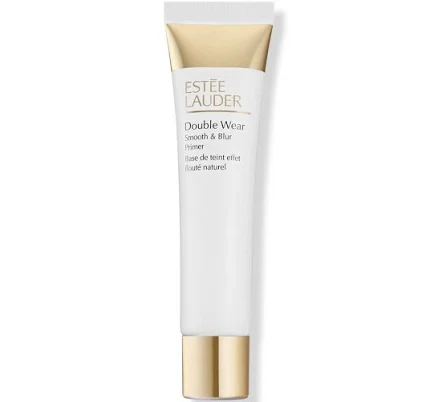
Estée Lauder Double Wear Smooth & Blur Primer
Lower concern liquid cosmetic; no confirmed PFAS risk factors identified.
Estée Lauder does not disclose PFAS or fluorinated ingredients. Liquid silicone cosmetics typically avoid PFAS, but waterproof formulas sometimes use fluorinated compounds. No public lab testing or recall data found.
We flunk more products than we pass. This one earned its grade. How we grade
Material
silicone and mineral-based cosmetic primer
Lab data
No public lab test
You may also be interested in
Top-graded picks in the categories readers replace first, every one scored on the same rubric.

- polypropylene filter housing, carbon/sediment cartridge
- We found no PFAS statement from the brand
- Bacterial growth in spent cartridges
3 hazards checked on this product, all on its full breakdown.

Aquasure
Premier Series 75 GPD Under Sink Reverse Osmosis Water Filtration System
- RO membrane, carbon filters, stainless steel housing
- We found no PFAS statement from the brand
- Bacterial and microbial growth in housing and filters
4 hazards checked on this product, all on its full breakdown.

Avocado
Vegan Mattress
- organic cotton, natural latex, coconut coir, recycled steel coils
- The brand calls it PFAS-free, which we have not verified
- Heavy metals
2 hazards checked on this product, all on its full breakdown.
What Estée Lauder Double Wear Blur Primer is made of, ingredients and materials
This primer is formulated primarily from cyclopentasiloxane and dimethicone (both volatile and non-volatile silicones) plus mineral pigments and film-forming polymers. Silicone primers are inert, non-occlusive, and largely non-comedogenic because silicones do not biodegrade or accumulate in skin. The mineral component (likely iron oxides, talc, or mica) provides opacity and slip; these are chemically stable on skin at cosmetic concentrations. This material class has one of the lowest chemical reactivity profiles in cosmetics.
What’s concerning
Category baseline
The starting point for this type of product, before anything specific to this product is counted.
No PFAS disclosure
No public statement from the brand about PFAS in this product.
Fragrance allergens (undisclosed composition)
Cosmetic fragrances are listed as single ingredient 'Fragrance' on labels; composition is proprietary. Potential for contact dermatitis or sensitization in individuals with fragrance sensitivity, though incidence in primers is lower than in perfumes due to lower concentration.
Skin sensitization from silicone or polymeric film-formers
Silicones are generally well-tolerated, but cyclopentasiloxane and dimethicone can trap sweat and sebum if applied too heavily, potentially triggering irritation in acne-prone or sensitive skin. This is a use issue, not an inherent chemical toxicity. Incidence is low but documented in dermatological literature.
1,4-dioxane (contaminant in ethoxylated surfactants or emulsifiers)
If the primer contains ethoxylated polymers or emulsifiers (common in cosmetics), trace 1,4-dioxane can form as a manufacturing byproduct. FDA does not mandate testing or disclosure. No specific testing or recall data exist for this product; risk is industry-wide and typically minimal at cosmetic concentrations.
What’s reassuring
Base material not linked to PFAS
The main material recorded for this product is not one associated with PFAS.
Talc contamination or asbestos risk
Talc is not explicitly listed in available product information for this formulation. If talc is present as a mineral filler, FDA testing requirements apply, but no confirmed recalls or contamination for Estée Lauder primers are on record. Risk is contingent on actual talc presence, which cannot be verified from label data alone.
Heavy metals
Iron oxides and mica are cosmetically approved minerals with low oral toxicity and dermal inertness. No documented cases of heavy metal toxicity from typical cosmetic-grade iron oxide or mica use; regulatory limits on lead and cadmium apply to colorants. This product has no safety alerts on file.
Source, FDA ↗How is this PFAS grade calculated?
The brand's record and disclosure
Estée Lauder has not issued public commitments on PFAS phase-out or ingredient transparency initiatives, placing it in the 'silent' category on this issue. The brand does not independently publish full ingredient lists beyond regulatory minimums, though formulations are legally disclosed on packaging and databases like INCIDecoder. No recalls, safety warnings, or substantiated toxicity claims are on record for this specific product. Estée Lauder operates under standard US FDA cosmetic regulations and EU cosmetics compliance where applicable.
How it compares in its category
Silicone-based primers dominate the market and are associated with lower concern than oil-based or talc-heavy alternatives because they do not clog pores or require frequent washing. This product's formulation is chemically typical for premium primers in its price tier; alternatives (e.g., Tatcha Luminous Dewy Skin Mist, Benefit POREfessional) use similar silicone matrices with comparable safety profiles. No meaningful chemical distinction elevates or reduces risk relative to category peers. Talc content (if present as filler) is not documented for this product, so talc-related asbestos concerns cannot be assessed.
If you buy it
Apply in a thin layer to clean, moisturized skin; avoid eye contact and rinse immediately if contact occurs. Store in a cool, dry place away from heat and sunlight to prevent silicone oxidation or separation. Discontinue use if you develop persistent redness, burning, or allergic signs (rare with silicones but possible with fragrance or mineral additives). Replace if the product separates, smells rancid, or changes texture after 12-24 months of normal use.
What is not known about PFAS in this product?
- Basis
- Model estimate, 72% confidence, not a lab result
- Lab test
- None on record for this exact product
- Brand statement
- Estée Lauder has made a specific claim
Formulations change between production runs, so check the current label. How we grade.
What are the PFAS-free alternatives to Estée Lauder Double Wear Smooth & Blur Primer?
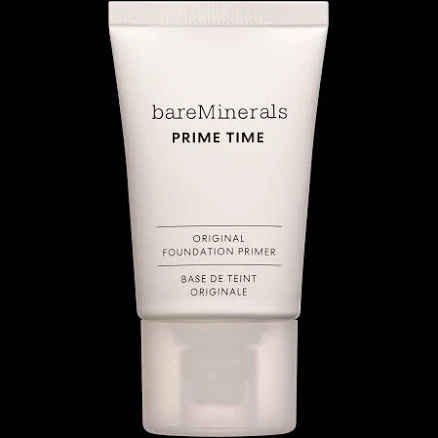
- mineral powder, silicones, mica
- The brand calls it PFAS-free, which we have not verified
- Fragrance allergen sensitization
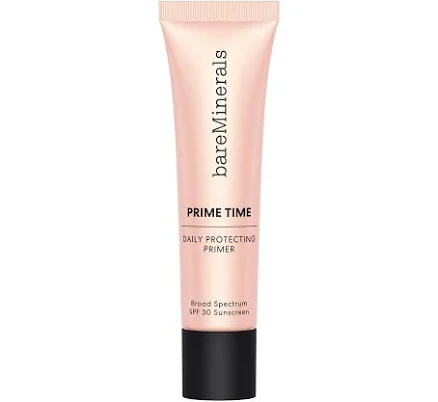
- mineral powder, silica, mica, talc
- The brand calls it PFAS-free, which we have not verified
- Talc inhalation
2 hazards checked on this product, all on its full breakdown.
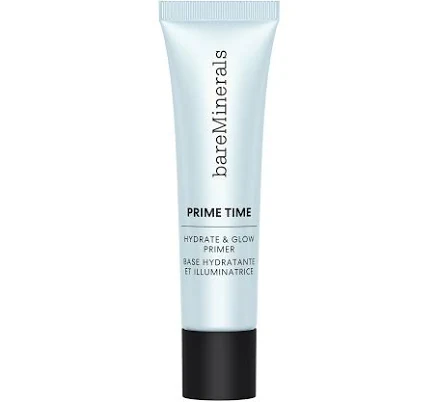
- mineral pigments, glycerin, plant extracts, silicones
- The brand calls it PFAS-free, which we have not verified
- Fragrance allergens and undisclosed fragrance components
2 hazards checked on this product, all on its full breakdown.
More foundation & primer grades
How we score, every product runs through the same public 0-100 rubric based on materials, coatings, brand disclosure, lab findings, and recalls. See the full methodology → Spotted a mistake? Report an error.