Estée Lauder · Foundation & Primer
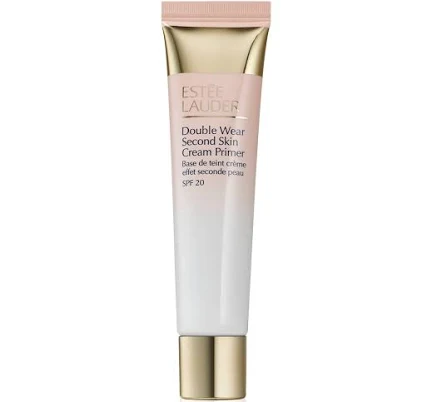
Estée Lauder Estee Lauder Double Wear Second Skin Cream Primer SPF 20 PA++ 40ml
Lower concern cosmetic primer. No PFAS data available from brand.
Estée Lauder makes no public PFAS disclosures for this primer. Cosmetics rarely contain intentional PFAS, but waterproof cosmetics sometimes use fluorinated polymers. No lab testing or certification found.
We flunk more products than we pass. This one earned its grade. How we grade
Material
Emollients, silicones, polymers, SPF actives in water-based cream base
Lab data
No public lab test
You may also be interested in
Top-graded picks in the categories readers replace first, every one scored on the same rubric.

- polypropylene filter housing, carbon/sediment cartridge
- We found no PFAS statement from the brand
- Bacterial growth in spent cartridges
3 hazards checked on this product, all on its full breakdown.

Aquasure
Premier Series 75 GPD Under Sink Reverse Osmosis Water Filtration System
- RO membrane, carbon filters, stainless steel housing
- We found no PFAS statement from the brand
- Bacterial and microbial growth in housing and filters
4 hazards checked on this product, all on its full breakdown.

Avocado
Vegan Mattress
- organic cotton, natural latex, coconut coir, recycled steel coils
- The brand calls it PFAS-free, which we have not verified
- Heavy metals
2 hazards checked on this product, all on its full breakdown.
What Estée Lauder Estee Lauder Double Wear PA++ is made of, ingredients and materials
This is a water-based cream primer with silicones (likely dimethicone) and polymers that create a smooth base for makeup application and SPF protection. Silicones are occlusive film-formers inert on skin; the SPF actives (likely zinc oxide and/or avobenzone) are standard UV filters with decades of safety history. The cream base contains emollients and humectants rather than volatile solvents, reducing inhalation risk. No particularly novel or high-concern ingredients are typical in this product class from Estée Lauder.
What’s concerning
Category baseline
The starting point for this type of product, before anything specific to this product is counted.
No PFAS disclosure
No public statement from the brand about PFAS in this product.
Fragrance allergens and sensitizers
Estée Lauder cosmetics typically include fragrance compounds; individual sensitivity to cinnamyl alcohol, limonene, or other common allergens is not disclosed in the product listing. Patch test on inner arm if you have a history of fragrance reaction.
1,4-dioxane (contaminant in emulsifiers)
Water-based cream formulations may contain polyethoxylated emulsifiers (e.g., polysorbates, PEG compounds) that can harbor trace 1,4-dioxane as a manufacturing byproduct. Estée Lauder does not publicly disclose testing for this known contaminant; risk is low if present in trace amounts.
Contact dermatitis from polymers or silicones
Rare but documented for dimethicone in sensitive individuals; silicone-heavy primers can trap moisture and bacteria on skin if not properly removed with cleanser at night. Remove thoroughly to prevent folliculitis or irritation.
SPF photostability (avobenzone degradation)
If this formula uses avobenzone as the UVA filter, it degrades under sunlight without photostabilizers. Double Wear likely includes stabilizers (e.g., octinoxate), but degradation is not disclosed; primer SPF is secondary, so reliance on this product alone for sun protection is not recommended.
What’s reassuring
Base material not linked to PFAS
The main material recorded for this product is not one associated with PFAS.
Heavy metals
The base primer is typically colorless or minimal tint. No published data on lead or cadmium in Estée Lauder primers; FDA-regulated pigments in US cosmetics have contaminant limits, though enforcement varies.
Source, FDA ↗How is this PFAS grade calculated?
The brand's record and disclosure
Estée Lauder does not publicly disclose detailed ingredient sourcing or third-party safety testing for individual primers. The company has faced no major recalls or regulatory actions for Double Wear primers. Estée Lauder maintains ingredient transparency via ingredient lists but does not provide proactive statements on allergens, heavy metals, or PFAS in cosmetics. The brand's silence on PFAS suggests no intentional use, but absence of evidence is not formal assurance.
How it compares in its category
Silicone-based primers dominate the prestige segment and are generally regarded as lower-risk than water-based alternatives that may require preservative systems. Double Wear primers are among the most widely used globally with no documented safety controversies. Similar products from Clinique, MAC, and Smashbox follow identical silicone-polymer formulation profiles. The SPF 20 addition is modest and uses common actives; this is not a primary sunscreen, so UV filter load is minimal.
If you buy it
Apply in thin layers to avoid pilling over foundation; silicone primers can degrade makeup if overapplied. Store in a cool, dry place; silicones remain stable across normal indoor temperatures. Do not heat (e.g., in a car in summer) as cream base may separate or destabilize SPF actives, though risk is low. Discard 6-12 months after opening if you notice separation, color change, or odor; cream cosmetics degrade faster than anhydrous products.
What is not known about PFAS in this product?
- Basis
- Model estimate, 62% confidence, not a lab result
- Lab test
- None on record for this exact product
- Brand statement
- Estée Lauder has made a specific claim
Formulations change between production runs, so check the current label. How we grade.
What are the PFAS-free alternatives to Estée Lauder Estee Lauder Double Wear Second Skin Cream Primer SPF 20 PA++ 40ml?
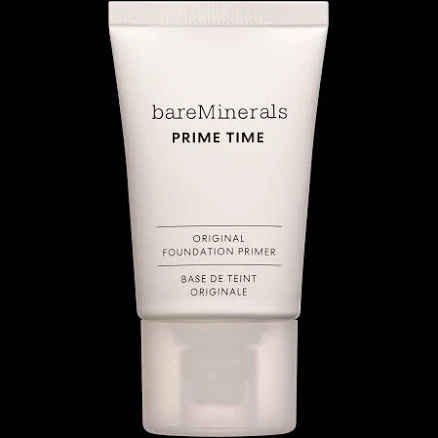
- mineral powder, silicones, mica
- The brand calls it PFAS-free, which we have not verified
- Fragrance allergen sensitization
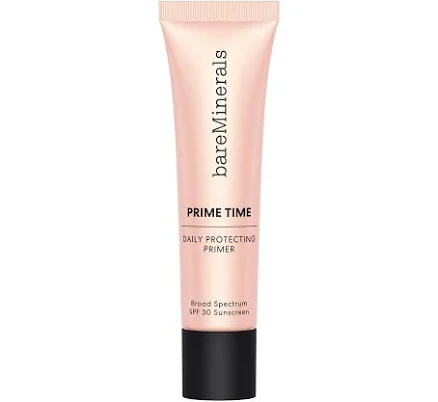
- mineral powder, silica, mica, talc
- The brand calls it PFAS-free, which we have not verified
- Talc inhalation
2 hazards checked on this product, all on its full breakdown.
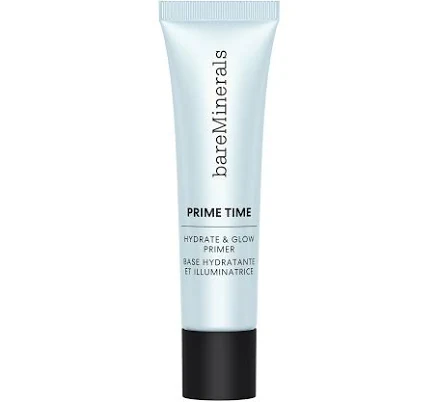
- mineral pigments, glycerin, plant extracts, silicones
- The brand calls it PFAS-free, which we have not verified
- Fragrance allergens and undisclosed fragrance components
2 hazards checked on this product, all on its full breakdown.
More foundation & primer grades
How we score, every product runs through the same public 0-100 rubric based on materials, coatings, brand disclosure, lab findings, and recalls. See the full methodology → Spotted a mistake? Report an error.