Estée Lauder · Foundation & Primer
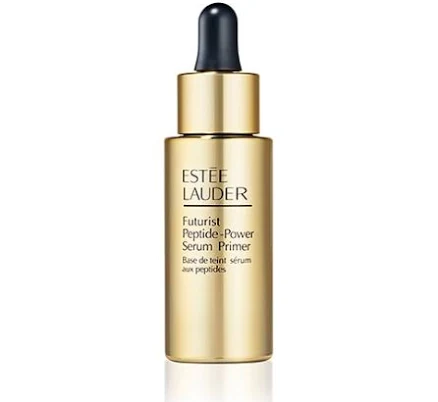
Estée Lauder Estee Lauder Futurist Peptide Power Serum Primer
Lower concern; no known PFAS-linked ingredients in typical formula.
Serum primer uses peptides, silicones, and water-soluble polymers. No waterproofing, grease resistance, or coating treatments typical of PFAS-containing cosmetics. Estée Lauder does not disclose PFAS information.
We flunk more products than we pass. This one earned its grade. How we grade
Material
water-based peptide serum with glycerin, silicones, polymers
Lab data
No public lab test
You may also be interested in
Top-graded picks in the categories readers replace first, every one scored on the same rubric.

- polypropylene filter housing, carbon/sediment cartridge
- We found no PFAS statement from the brand
- Bacterial growth in spent cartridges
3 hazards checked on this product, all on its full breakdown.

Aquasure
Premier Series 75 GPD Under Sink Reverse Osmosis Water Filtration System
- RO membrane, carbon filters, stainless steel housing
- We found no PFAS statement from the brand
- Bacterial and microbial growth in housing and filters
4 hazards checked on this product, all on its full breakdown.

Avocado
Vegan Mattress
- organic cotton, natural latex, coconut coir, recycled steel coils
- The brand calls it PFAS-free, which we have not verified
- Heavy metals
2 hazards checked on this product, all on its full breakdown.
What Estée Lauder Estee Lauder Serum Primer is made of, ingredients and materials
This is a water-based serum primer combining peptides, glycerin (a humectant), silicones (for smoothness), and polymers (for film-forming). Glycerin and silicones are well-established ingredients in cosmetics at typical use levels with no hazard of this kind on record. The peptide fraction is typically hydrolyzed proteins or synthetic peptide analogs designed for skin conditioning, not penetration into systemic circulation. No volatile or reactive chemistry; formulation is stable at room temperature.
What’s concerning
Category baseline
The starting point for this type of product, before anything specific to this product is counted.
No PFAS disclosure
No public statement from the brand about PFAS in this product.
Preservative system / bacterial contamination if unmaintained
Water-based serums require preservatives to prevent microbial growth. Estée Lauder does not disclose specific preservative type on standard packaging. Risk is low if stored properly and replaced within 12 months, but none_known specific data on this product's preservative choice or stability testing is publicly available.
Fragrance allergens / sensitization
Estée Lauder primers typically include fragrance compounds; ingredient lists may list 'fragrance' as a single term, obscuring specific allergens. Individuals with fragrance sensitivities or skin barrier compromise may experience irritation. No documented widespread adverse event reports, but fragrance contact dermatitis is a known risk in cosmetics.
What’s reassuring
Base material not linked to PFAS
The main material recorded for this product is not one associated with PFAS.
Silicone polymer skin occlusion / comedogenicity
Silicones in cosmetics are not comedogenic at typical concentrations and are well tolerated by most skin types. No specific adverse events reported for this product. Risk is primarily theoretical for individuals with severe silicone sensitivity, which is rare and usually pre-identified.
Heavy metals
Peptides and cosmetic-grade polymers are subject to supplier quality controls and finished-product testing under FDA and international regulations. No documented recalls or testing data indicate heavy metal contamination in Estée Lauder serums. Risk is standard industry background and not elevated for this brand or category.
Source, FDA ↗Formaldehyde / VOCs
Modern cosmetic polymers used in primers are not known to generate 1,4-dioxane or formaldehyde as byproducts at cosmetic-grade purity. Estée Lauder does not disclose polymer source or purification method publicly, but industry standards assume removal or non-presence of such contaminants.
Source, ATSDR ↗How is this PFAS grade calculated?
The brand's record and disclosure
Estée Lauder is a large, regulated cosmetics manufacturer subject to FDA oversight and EU cosmetics regulation. The brand does not publicly market PFAS-free status, but has not faced documented PFAS-related regulatory action or consumer recalls for this product line. Standard ingredient disclosure is provided on packaging and via regulatory filings. No known independent testing or third-party certifications (e.g., EWG, Leaping Bunny) specifically for this serum, but absence of disclosure is typical for premium mass-market primers.
How it compares in its category
Peptide serums are mainstream in prestige skincare; this formulation is materially similar to competitors (MAC Fix+, Urban Decay All Nighter, drugstore primers). Water-based serums carry lower volatile organic compound (VOC) and preservative-load concerns than silicone-only or oil-based primers. Glycerin and peptide blends are considered lower-risk than fragrance-heavy or talc-containing primers, though preservative systems vary by batch.
If you buy it
Store at room temperature away from direct heat and sunlight; do not leave in hot vehicles or bathrooms with extreme humidity, as silicone polymers can degrade and separate. Patch test on inner arm first if you have sensitive skin or fragrance sensitivities, as many Estée Lauder primers include subtle fragrance. Replace after 12 months of opening to minimize preservative breakdown and bacterial growth. Apply thin layer; over-application can cause pilling or interference with foundation.
What is not known about PFAS in this product?
- Basis
- Model estimate, 72% confidence, not a lab result
- Lab test
- None on record for this exact product
- Brand statement
- Estée Lauder has made a specific claim
Formulations change between production runs, so check the current label. How we grade.
What are the PFAS-free alternatives to Estée Lauder Estee Lauder Futurist Peptide Power Serum Primer?
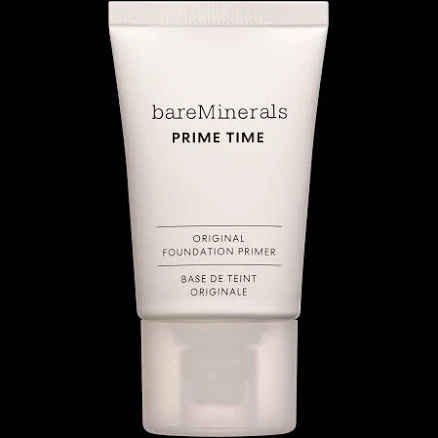
- mineral powder, silicones, mica
- The brand calls it PFAS-free, which we have not verified
- Fragrance allergen sensitization
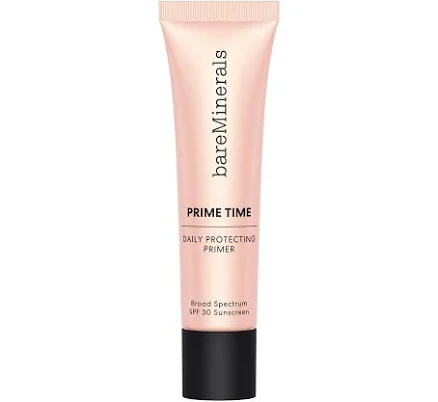
- mineral powder, silica, mica, talc
- The brand calls it PFAS-free, which we have not verified
- Talc inhalation
2 hazards checked on this product, all on its full breakdown.
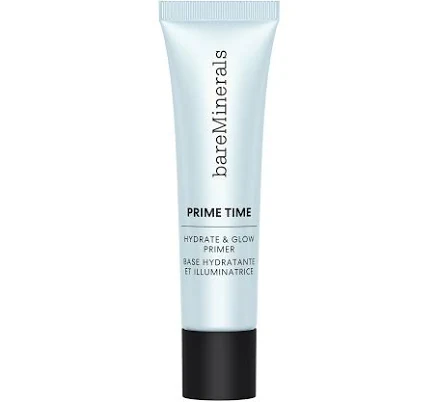
- mineral pigments, glycerin, plant extracts, silicones
- The brand calls it PFAS-free, which we have not verified
- Fragrance allergens and undisclosed fragrance components
2 hazards checked on this product, all on its full breakdown.
More foundation & primer grades
How we score, every product runs through the same public 0-100 rubric based on materials, coatings, brand disclosure, lab findings, and recalls. See the full methodology → Spotted a mistake? Report an error.