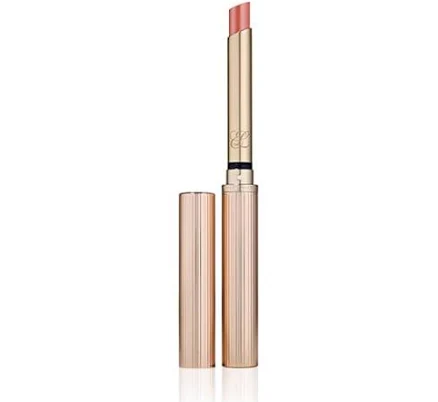
Estée Lauder · Lip Balm & Long-Wear Lipstick
Estée Lauder Pure Color Explicit Slick Shine Lipstick
Lower concern, typical lipstick. No known PFAS risk signals.
Estée Lauder does not disclose PFAS use in this product. Lipstick formulations rarely contain PFAS, though waterproofing or specific coatings could pose minor risk; this product shows no public evidence of either.
We flunk more products than we pass. This one earned its grade. How we grade
Material
wax, oils, pigments, film-formers (standard cosmetic base)
Lab data
No public lab test
You may also be interested in
Top-graded picks in the categories readers replace first, every one scored on the same rubric.

- polypropylene filter housing, carbon/sediment cartridge
- We found no PFAS statement from the brand
- Bacterial growth in spent cartridges
3 hazards checked on this product, all on its full breakdown.

Aquasure
Premier Series 75 GPD Under Sink Reverse Osmosis Water Filtration System
- RO membrane, carbon filters, stainless steel housing
- We found no PFAS statement from the brand
- Bacterial and microbial growth in housing and filters
4 hazards checked on this product, all on its full breakdown.

Avocado
Vegan Mattress
- organic cotton, natural latex, coconut coir, recycled steel coils
- The brand calls it PFAS-free, which we have not verified
- Heavy metals
2 hazards checked on this product, all on its full breakdown.
What Estée Lauder Pure Color Shine Lipstick is made of, ingredients and materials
Pure Color Explicit Slick Shine is a wax-oil-pigment formulation typical of modern lipsticks, combining film-forming polymers with emollients and colorants. The 'slick shine' texture indicates higher oil content and film-formers (likely silicones or acrylates) rather than matte resins, which reduces irritation risk from drying agents. Wax bases in lipsticks are generally occlusive and well-tolerated; the main exposure route is ingestion during wear and reapplication, which is why ingredient purity matters more than quantity.
What’s concerning
Category baseline
The starting point for this type of product, before anything specific to this product is counted.
No PFAS disclosure
No public statement from the brand about PFAS in this product.
Formaldehyde / VOCs
Shine formulations typically use lower levels of formaldehyde-releasers than matte or long-wear lipsticks. If present, concentration would be minimal and unlikely to cause contact irritation in typical application. Specific preservative system is not disclosed on standard packaging.
Source, ATSDR ↗Fragrance allergens
Lipsticks often contain fragrance components for scent and masking. Estée Lauder does not typically disclose individual fragrance constituents (legally exempt under 'fragrance' grouping). Risk is mild for topical application but contact dermatitis is possible in sensitive individuals.
What’s reassuring
Base material not linked to PFAS
The main material recorded for this product is not one associated with PFAS.
Heavy metals
No recalls or testing data publicly available for this product. Iron oxide pigments and carmine are standard and regulated; contamination risk is low with established suppliers like Estée Lauder, though periodic third-party audits are industry best practice.
Source, FDA ↗Talc contamination or asbestos
Modern Estée Lauder formulations are unlikely to contain talc (industry shift away from talc-based texturizers). No public reports of talc or asbestos in this product line. Wax-based formulas typically use silica or mica alternatives.
Ingestion safety during normal wear
Lipstick is formulated for safety in incidental ingestion. Wax, oils, and food-grade pigments dominate the formula. Risks rise only if product is deliberately swallowed in large amounts or contains undisclosed toxicants, neither of which is documented for this brand.
How is this PFAS grade calculated?
The brand's record and disclosure
Estée Lauder operates under FDA and EU cosmetics compliance frameworks and publishes ingredient lists on packaging and online. The brand does not prominently advertise PFAS-free status, suggesting either typical use or silent compliance. No public safety recalls or substantiated contamination claims are on record for this specific product line. Parent company Estée Lauder Companies has faced no major ingredient-safety scandals in recent years, indicating operational controls.
How it compares in its category
Lipsticks as a category have low hazard baseline because they are applied topically in small quantities and ingestion is unintentional. Shine formulations typically carry lower formaldehyde-releaser risk than matte or long-wear formulas, which rely on stronger polymer crosslinkers. Premium brands like Estée Lauder generally source pigments and film-formers with tighter supplier vetting than budget alternatives, reducing heavy-metal or azo-dye contamination risk.
If you buy it
Store lipstick at room temperature; exposure to heat above 75°F (24°C) can cause bloom or separation in wax formulations. Replace every 12-18 months; wax-oil blends can degrade or develop rancidity over time. Do not apply to irritated or broken skin. If you experience persistent irritation or allergic reaction (itching, swelling, dermatitis), discontinue and patch-test on wrist before reuse.
What is not known about PFAS in this product?
- Basis
- Model estimate, 72% confidence, not a lab result
- Lab test
- None on record for this exact product
- Brand statement
- Estée Lauder has made a specific claim
Formulations change between production runs, so check the current label. How we grade.
More lip balm & long-wear lipstick grades
How we score, every product runs through the same public 0-100 rubric based on materials, coatings, brand disclosure, lab findings, and recalls. See the full methodology → Spotted a mistake? Report an error.