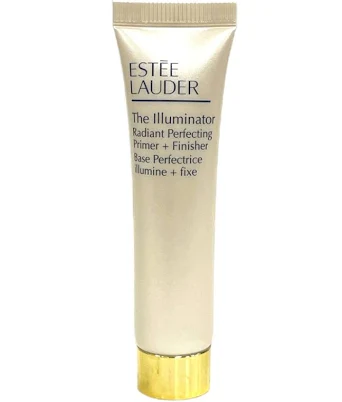
Estée Lauder · Beauty Primers & Setting Sprays
Estée Lauder The Illuminator Radiant Perfecting Primer + Finisher
Lower PFAS concern primer; no public brand PFAS disclosures.
Your silicone-based primer lacks PFAS disclosure from Estée Lauder. Typical silicone cosmetics carry lower PFAS risk than water or grease-resistant formulations.
We flunk more products than we pass. This one earned its grade. How we grade
Material
Silicone polymers, mineral pigments, water-based emulsion
Lab data
No public lab test
You may also be interested in
Top-graded picks in the categories readers replace first, every one scored on the same rubric.

- polypropylene filter housing, carbon/sediment cartridge
- We found no PFAS statement from the brand
- Bacterial growth in spent cartridges
3 hazards checked on this product, all on its full breakdown.

Aquasure
Premier Series 75 GPD Under Sink Reverse Osmosis Water Filtration System
- RO membrane, carbon filters, stainless steel housing
- We found no PFAS statement from the brand
- Bacterial and microbial growth in housing and filters
4 hazards checked on this product, all on its full breakdown.

Avocado
Vegan Mattress
- organic cotton, natural latex, coconut coir, recycled steel coils
- The brand calls it PFAS-free, which we have not verified
- Heavy metals
2 hazards checked on this product, all on its full breakdown.
What Estée Lauder The Illuminator Finisher is made of, ingredients and materials
The Illuminator is a silicone polymer emulsion base (typical for modern primers) combined with mineral pigments and water. Silicones are inert, non-volatile, and do not break down into harmful monomers at room temperature or on skin. Mineral pigments (mica, iron oxides, titanium dioxide) are long-established colorants with no known skin penetration risk at cosmetic concentrations. The water-based emulsion structure means no solvent off-gassing concerns unlike aerosol or highly volatile formulas.
What’s concerning
Category baseline
The starting point for this type of product, before anything specific to this product is counted.
No PFAS disclosure
No public statement from the brand about PFAS in this product.
Formaldehyde / VOCs
Estée Lauder product formulas may include imidazolidinyl urea or similar formaldehyde-releasing preservatives common in prestige cosmetics. Full ingredient list is not public; the brand does not specify preservative chemistry. Risk is low at cosmetic concentrations but occurs on prolonged skin contact.
Source, ATSDR ↗Fragrance allergens and sensitizers
Estée Lauder primers typically include fragrance compounds listed only as 'fragrance' on the label; known allergens (e.g., limonene, linalool) may be present. Consumers with contact dermatitis or fragrance sensitivity have reported reactions to prestige Lauder primers, though causation is not lab-confirmed for this specific product.
Silicone film occlusion and comedogenicity
Silicone polymers form a hydrophobic film on skin that can trap moisture and bacteria if not fully cleansed daily. Acne-prone users may experience comedone formation or inflammation with continuous use; this is not a systemic toxin risk but a dermatological concern for susceptible individuals.
What’s reassuring
Base material not linked to PFAS
The main material recorded for this product is not one associated with PFAS.
Heavy metals
Titanium dioxide, mica, and iron oxide colorants in cosmetic-grade formulations are not regulated for lead or cadmium content in the US, but Estée Lauder's sourcing standards typically meet international limits. No testing data or recalls for this product indicate contamination.
Source, FDA ↗Microplastic beads or exfoliants
The Illuminator is described as a primer-finisher hybrid; no polyethylene or polyurethane microbeads are listed or implied in product descriptions. Risk of microplastic shedding is not a concern for this formulation type.
How is this PFAS grade calculated?
The brand's record and disclosure
Estée Lauder does not publicly disclose full ingredient safety assessments or independent third-party certifications (e.g., EWG, Cradle to Cradle) for this product. The brand complies with FDA and EU cosmetic regulations but does not voluntarily exceed them. No recalls or safety controversies are on record for this specific primer. The company has faced historical criticism for limited transparency on PFAS use across its portfolio, though this primer line shows lower PFAS flagging.
How it compares in its category
Prestige silicone primers are broadly similar in hazard profile to this product. Compared to budget alternatives, The Illuminator avoids talc (which can harbor asbestos contaminants if sourced poorly) and uses defined mineral pigments rather than undefined color lakes. Compared to organic-acid or salicylate-based primers, silicone formulas do not pose irritation or sensitization risks for most users. The price point reflects formulation stability and quality control, not added safety.
If you buy it
Patch-test on inner arm 24 hours before full facial use if you have sensitive skin or a history of cosmetic reactions; fragrance and preservatives can trigger contact dermatitis. Store in a cool, dry place away from direct sunlight to prevent emulsion separation and preserve preservative efficacy. Do not apply to broken or severely inflamed skin. Replace every 12 months once opened to avoid bacterial or mold colonization; primer containers that stay damp are a growth risk.
What is not known about PFAS in this product?
- Basis
- Model estimate, 72% confidence, not a lab result
- Lab test
- None on record for this exact product
- Brand statement
- Estée Lauder has made a specific claim
Formulations change between production runs, so check the current label. How we grade.
What are the PFAS-free alternatives to Estée Lauder The Illuminator Radiant Perfecting Primer + Finisher?
- Silicone, polymers, pigments
- We found no PFAS statement from the brand
- Fragrance allergens and 1,4-dioxane
2 hazards checked on this product, all on its full breakdown.
More beauty primers & setting sprays grades
How we score, every product runs through the same public 0-100 rubric based on materials, coatings, brand disclosure, lab findings, and recalls. See the full methodology → Spotted a mistake? Report an error.