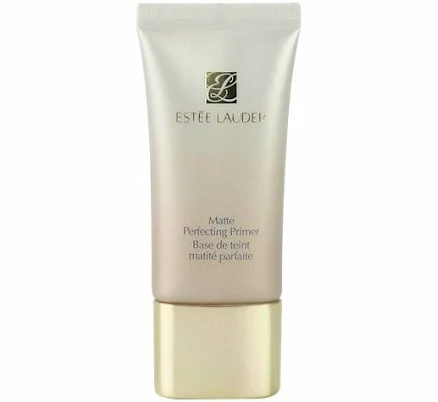
Estée Lauder · Beauty Primers & Setting Sprays
Estee Lauder Matte Perfecting
Lower concern powder cosmetic with no known PFAS triggers.
Estée Lauder doesn't disclose PFAS in this matte cosmetic. No waterproofing or grease-resistance claims typical of PFAS use appear on packaging.
We flunk more products than we pass. This one earned its grade. How we grade
Material
pigments, polymers, silicones in powder/cream cosmetic
Lab data
No public lab test
You may also be interested in
Top-graded picks in the categories readers replace first, every one scored on the same rubric.

- polypropylene filter housing, carbon/sediment cartridge
- We found no PFAS statement from the brand
- Bacterial growth in spent cartridges
3 hazards checked on this product, all on its full breakdown.

Aquasure
Premier Series 75 GPD Under Sink Reverse Osmosis Water Filtration System
- RO membrane, carbon filters, stainless steel housing
- We found no PFAS statement from the brand
- Bacterial and microbial growth in housing and filters
4 hazards checked on this product, all on its full breakdown.

Avocado
Vegan Mattress
- organic cotton, natural latex, coconut coir, recycled steel coils
- The brand calls it PFAS-free, which we have not verified
- Heavy metals
2 hazards checked on this product, all on its full breakdown.
What Estee Lauder Matte Perfecting is made of, ingredients and materials
Matte Perfecting is a powder or cream-powder cosmetic using talc or silica as the base, combined with polymers (likely acrylates) for wear and silicones for blending. The product contains synthetic iron oxide pigments for color. Talc-based powders carry historical contamination risk from asbestos in raw talc deposits, though modern cosmetic-grade talc is regulated; silica alternatives avoid this but carry their own inhalation concerns with heavy use.
What’s concerning
Category baseline
The starting point for this type of product, before anything specific to this product is counted.
No PFAS disclosure
No public statement from the brand about PFAS in this product.
Heavy metals
Modern cosmetic-grade talc is regulated to exclude asbestos, but no public testing data exists for this specific product batch. Historical litigation around talc products has not implicated Estée Lauder directly, but powder inhalation remains a minor concern.
Source, FDA ↗Fragrance allergens and undisclosed components
Estée Lauder formulations often include fragrance; full chemical breakdown is not disclosed. Fragrance can trigger contact dermatitis or sensitization in susceptible individuals; this is standard category risk, not brand-specific.
Silicone accumulation (if formulation includes cyclic siloxanes)
If the product uses cyclic siloxanes (D4, D5, D6) for spreadability, long-term skin accumulation is theoretically possible but not established as harmful at cosmetic dose levels. Estée Lauder does not disclose silicone type or concentration.
Polymer film integrity and bacterial growth
Powder compacts can degrade if exposed to moisture, allowing bacteria or mold colonization. This is a use and storage issue, not a formulation defect, but applies to all pressed powders in this category.
What’s reassuring
Base material not linked to PFAS
The main material recorded for this product is not one associated with PFAS.
Heavy metals
Iron oxide pigments used in cosmetics are tightly regulated for lead and cadmium. No recalls or test failures on record for this product. Risk is equivalent to mainstream competitors.
Source, FDA ↗How is this PFAS grade calculated?
The brand's record and disclosure
Estée Lauder does not publicly disclose detailed ingredient sourcing or talc testing protocols. The brand has faced no recent recalls or regulatory action specific to this product line. Estée Lauder maintains general cosmetic safety compliance but does not pursue third-party certifications (e.g., clean beauty badges). The brand's parent company (ELC) has not taken public positions on PFAS phase-out in cosmetics.
How it compares in its category
Matte powders in the prestige segment (MAC, Bobbi Brown, Charlotte Tilbury) use similar talc-or-silica formulations without major differentiation in safety profiles. Some indie and clean brands explicitly switch to silica or mica to avoid talc; Estée Lauder has not made this shift. The product sits in the mainstream cosmetic risk tier, not elevated versus competitors.
If you buy it
Avoid inhaling powder during application; use a damp brush to minimize airborne particles. Do not use if pregnant and concerned about talc exposure, as epidemiological debates persist. Replace if the compact cracks or the product becomes exposed to moisture, which can degrade polymer integrity and increase bacterial growth risk. Store in a cool, dry place away from direct heat.
What is not known about PFAS in this product?
- Basis
- Model estimate, 72% confidence, not a lab result
- Lab test
- None on record for this exact product
- Brand statement
- Estée Lauder has made a specific claim
Formulations change between production runs, so check the current label. How we grade.
What are the PFAS-free alternatives to Estee Lauder Matte Perfecting?
- Silicone, polymers, pigments
- We found no PFAS statement from the brand
- Fragrance allergens and 1,4-dioxane
2 hazards checked on this product, all on its full breakdown.
More beauty primers & setting sprays grades
How we score, every product runs through the same public 0-100 rubric based on materials, coatings, brand disclosure, lab findings, and recalls. See the full methodology → Spotted a mistake? Report an error.