Estée Lauder · Beauty Primers & Setting Sprays
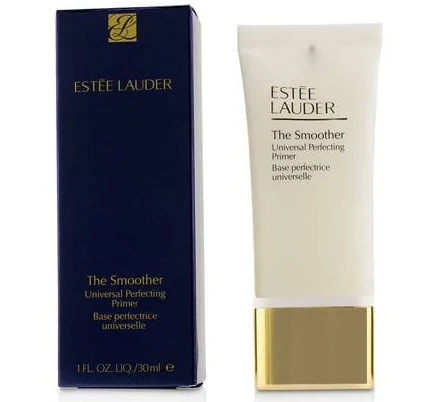
Estee Lauder The Smoother Universal Perfecting Primer
Low-medium risk liquid primer without identified PFAS concerns.
Estée Lauder's silicone and glycerin-based primer doesn't use Teflon-type coating or Teflon-family coating. Liquid cosmetics pose lower PFAS risk than treated textiles or coated cookware.
We flunk more products than we pass. This one earned its grade. How we grade
Material
Silicone, glycerin, water, pigments
Lab data
No public lab test
You may also be interested in
Top-graded picks in the categories readers replace first, every one scored on the same rubric.

- polypropylene filter housing, carbon/sediment cartridge
- We found no PFAS statement from the brand
- Bacterial growth in spent cartridges
3 hazards checked on this product, all on its full breakdown.

Aquasure
Premier Series 75 GPD Under Sink Reverse Osmosis Water Filtration System
- RO membrane, carbon filters, stainless steel housing
- We found no PFAS statement from the brand
- Bacterial and microbial growth in housing and filters
4 hazards checked on this product, all on its full breakdown.

Avocado
Vegan Mattress
- organic cotton, natural latex, coconut coir, recycled steel coils
- The brand calls it PFAS-free, which we have not verified
- Heavy metals
2 hazards checked on this product, all on its full breakdown.
What Estee Lauder The Smoother Universal Primer is made of, ingredients and materials
This primer is primarily silicone (a polymer backbone), glycerin (humectant), and water, with added pigments for color correction. Silicones in cosmetics are inert and non-bioaccumulative, meaning they sit on skin without penetrating or breaking down into harmful byproducts. The pigments used in color-correcting primers are typically iron oxides, titanium dioxide, or synthetic colorants; Estée Lauder products are generally formulated to meet strict heavy metal limits in cosmetic colorants (lead, cadmium, arsenic all regulated to <1 ppm in finished products by FDA standards). Glycerin is a well-tolerated humectant with no known toxicity at cosmetic concentrations.
What’s concerning
Category baseline
The starting point for this type of product, before anything specific to this product is counted.
No PFAS disclosure
No public statement from the brand about PFAS in this product.
Fragrance allergens or undisclosed fragrance components
Fragrance is not listed as a primary ingredient on this primer, but cosmetic 'fragrance' can contain dozens of unlisted components under IFRA trade secret rules. Risk is lower than scented primers, but individuals with fragrance sensitivities should verify tolerance via patch test.
Skin sensitization from colorants or preservatives
Synthetic colorants (CI numbers) and modern preservatives (phenoxyethanol, parabens if present) are low-risk at cosmetic concentrations but can trigger reactions in individuals with contact dermatitis or dye sensitivities. This is a category-wide concern, not specific to this brand.
What’s reassuring
Base material not linked to PFAS
The main material recorded for this product is not one associated with PFAS.
Lead
Estée Lauder formulations are subject to FDA cosmetic colorant limits; no recalls or testing failures on record for this primer or brand. Iron oxides and titanium dioxide used in color-correcting primers are inherently low-risk pigment choices.
Source, ATSDR ↗Formaldehyde / VOCs
Silicone and glycerin matrices do not require formaldehyde-releasing preservatives; no formaldehyde donors are typical in modern silicone primers. Product composition does not suggest use of problematic preservative classes.
Source, ATSDR ↗1,4-dioxane contamination from emulsifiers
1,4-dioxane is a processing byproduct in ethoxylated surfactants; silicone primers rely on silicone polymers and minimal surfactants, making this risk minimal. Estée Lauder does not list polysorbate or PEG-based emulsifiers as primary ingredients in this product.
How is this PFAS grade calculated?
The brand's record and disclosure
Estée Lauder publishes ingredient lists on all products and maintains compliance with FDA and EU cosmetic regulations; no product recalls or safety warnings have been issued for this primer line. The brand does not publicly disclose PFAS testing data across its cosmetics range, which is typical for the beauty industry but represents a gap in transparency. Estée Lauder has not faced documented controversies over heavy metals, formaldehyde, or banned dyes in recent products, suggesting routine quality control meets baseline safety standards.
How it compares in its category
Silicone-based primers like this one have lower concern in the color-correcting primer category; water-based alternatives exist but are less effective at oil control. Competitors (MAC Face and Body, Smashbox Primer Water) use similar silicone chemistry with comparable safety profiles. The concern in many primers is talc contamination or undisclosed fragrance allergens; this product does not list talc and fragrance is not a primary ingredient, positioning it as lower-risk than many alternatives.
If you buy it
Store in a cool, dry place away from direct sunlight to prevent silicone separation or pigment settling. Primers are designed for regular use; no special precautions are needed beyond normal cosmetic hygiene (replace if contamination or odor changes occur, typically 12-18 months of use). If you have sensitive or reactive skin, patch test first, as synthetic colorants or minor fragrance notes can trigger contact dermatitis in some individuals. Silicone primers are not heat-sensitive and will not degrade if exposed to warm skin or minor temperature fluctuations.
What is not known about PFAS in this product?
- Basis
- Model estimate, 72% confidence, not a lab result
- Lab test
- None on record for this exact product
- Brand statement
- Estée Lauder has made a specific claim
Formulations change between production runs, so check the current label. How we grade.
What are the PFAS-free alternatives to Estee Lauder The Smoother Universal Perfecting Primer?
- Silicone, polymers, pigments
- We found no PFAS statement from the brand
- Fragrance allergens and 1,4-dioxane
2 hazards checked on this product, all on its full breakdown.
More beauty primers & setting sprays grades
How we score, every product runs through the same public 0-100 rubric based on materials, coatings, brand disclosure, lab findings, and recalls. See the full methodology → Spotted a mistake? Report an error.