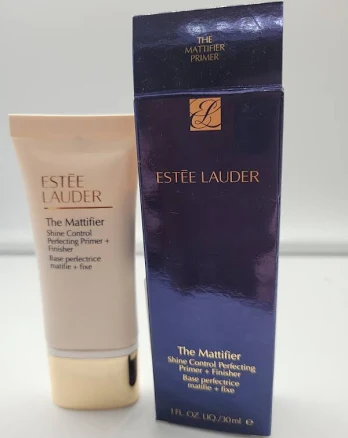
Estée Lauder · Beauty Primers & Setting Sprays
Estee Lauder The Mattifier Shine Control Perfecting Primer and Finisher
Lower concern. Materials recorded are not linked to PFAS.
This primer contains silicones, talc, pigments, and waxes. None of these materials as recorded are associated with PFAS. Estée Lauder has no PFAS statement on record for this product.
We flunk more products than we pass. This one earned its grade. How we grade
Material
silicones, talc, pigments, waxes
Lab data
No public lab test
You may also be interested in
Top-graded picks in the categories readers replace first, every one scored on the same rubric.

- polypropylene filter housing, carbon/sediment cartridge
- We found no PFAS statement from the brand
- Bacterial growth in spent cartridges
3 hazards checked on this product, all on its full breakdown.

Aquasure
Premier Series 75 GPD Under Sink Reverse Osmosis Water Filtration System
- RO membrane, carbon filters, stainless steel housing
- We found no PFAS statement from the brand
- Bacterial and microbial growth in housing and filters
4 hazards checked on this product, all on its full breakdown.

Avocado
Vegan Mattress
- organic cotton, natural latex, coconut coir, recycled steel coils
- The brand calls it PFAS-free, which we have not verified
- Heavy metals
2 hazards checked on this product, all on its full breakdown.
What Estee Lauder The Mattifier Shine Finisher is made of, ingredients and materials
This primer is built on silicone polymers (dimethicone and related silicones) as the base, which provide slip and smoothing without reactive toxicity concerns. Talc is listed as a primary ingredient; while talc itself is inert, the historical concern is asbestos contamination and potential inhalation risk during powder application. Pigments (iron oxides, mica) and waxes (beeswax, carnauba) are standard colorants and texture agents with low toxicity when applied topically.
What’s concerning
Category baseline
The starting point for this type of product, before anything specific to this product is counted.
No PFAS disclosure
No public statement from the brand about PFAS in this product.
Talc inhalation risk
Talc is a primary ingredient. Talc powder itself is not toxic, but inhaling fine particles during application or handling carries low-level respiratory irritation risk. Modern cosmetic talc in regulated markets is required to be asbestos-free, but inhalation precaution is warranted.
What’s reassuring
Base material not linked to PFAS
The main material recorded for this product is not one associated with PFAS.
Fragrance allergens
Product formulation data does not specify fragrance ingredients or list known allergens. If fragrance is included, common allergens (limonene, linalool, eugenol) could trigger contact dermatitis in sensitive users, but no specific allergen warnings are publicly documented for this primer.
Heavy metals
Iron oxides and mica used as colorants are standard cosmetic pigments with no known lead, cadmium, or arsenic issues when sourced from regulated suppliers. Estée Lauder operates under FDA cosmetic regulations, which require pigment purity, but batch-level testing data is not publicly available.
Source, FDA ↗Formaldehyde / VOCs
Silicone and wax-based primers do not typically require formaldehyde-releasing preservatives. Product ingredient lists do not indicate phenolic or imidazolidinone preservatives associated with formaldehyde release, suggesting low risk in this category.
Source, ATSDR ↗1,4-dioxane contamination
Silicone-based formulations with wax emulsifiers can be processed using methods that leave 1,4-dioxane residue, but Estée Lauder is not publicly flagged for this contaminant in primers. No recalls or lab tests confirming presence are on record.
How is this PFAS grade calculated?
The brand's record and disclosure
Estée Lauder does not publish detailed ingredient-level safety or PFAS disclosure statements on this product. The brand has not faced major recalls or documented contamination incidents for this primer line. Estée Lauder is not certified by third-party safety programs (e.g., EWG Verified, Leaping Bunny does cover some Lauder lines but certification scope varies by product).
How it compares in its category
Silicone-based primers dominate the prestige cosmetics market; this formulation is typical. Talc-free alternatives exist (e.g., primers using cornstarch or rice powder) but carry different hazard profiles, as alternatives present their own dust-inhalation or skin-sensitivity concerns. This product sits in the mainstream safety tier for primers, neither exceptionally transparent nor flagged as problematic.
If you buy it
Apply with a damp beauty sponge or brush to minimize airborne talc powder inhalation during application. Do not apply near eyes or lips if sensitive to talc dust. Dispose of product if you notice separation, discoloration, or strong chemical odor (signs of age-related degradation). Store in a cool, dry place away from direct heat; do not apply to broken or severely irritated skin.
What is not known about PFAS in this product?
- Basis
- Model estimate, 72% confidence, not a lab result
- Lab test
- None on record for this exact product
- Brand statement
- Estée Lauder has made a specific claim
Formulations change between production runs, so check the current label. How we grade.
What are the PFAS-free alternatives to Estee Lauder The Mattifier Shine Control Perfecting Primer and Finisher?
- Silicone, polymers, pigments
- We found no PFAS statement from the brand
- Fragrance allergens and 1,4-dioxane
2 hazards checked on this product, all on its full breakdown.
More beauty primers & setting sprays grades
How we score, every product runs through the same public 0-100 rubric based on materials, coatings, brand disclosure, lab findings, and recalls. See the full methodology → Spotted a mistake? Report an error.