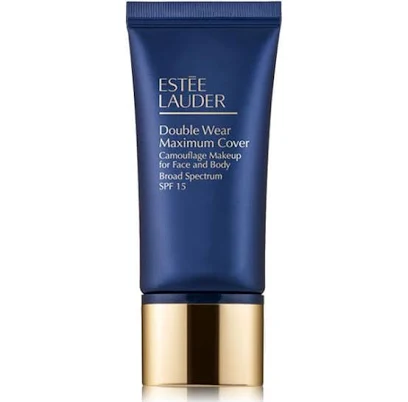
Estee Lauder Double Wear Maximum Cover Camouflage Makeup
Skip until Estée Lauder clarifies waterproof chemistry.
This waterproof, long-wear formula typically employs PFAS-containing water-repellent coatings. Estée Lauder provides no ingredient breakdown, PFAS-free claim, or testing data.
The better-graded swap
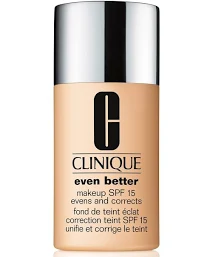
Clinique
Clinique Even Better Makeup
75/100 safety
Same rubric that flunked this product. The swap earned Excellent.
Still want this one anyway? Check the price on Amazon. We’d swap it.
Material
Silicone, talc, volatile silicones, polymers (unspecified)
Lab data
No public lab test
You may also be interested in
Top-graded picks in the categories readers replace first, every one scored on the same rubric.

- polypropylene filter housing, carbon/sediment cartridge
- We found no PFAS statement from the brand
- Bacterial growth in spent cartridges
3 hazards checked on this product, all on its full breakdown.

Aquasure
Premier Series 75 GPD Under Sink Reverse Osmosis Water Filtration System
- RO membrane, carbon filters, stainless steel housing
- We found no PFAS statement from the brand
- Bacterial and microbial growth in housing and filters
4 hazards checked on this product, all on its full breakdown.

Avocado
Vegan Mattress
- organic cotton, natural latex, coconut coir, recycled steel coils
- The brand calls it PFAS-free, which we have not verified
- Heavy metals
2 hazards checked on this product, all on its full breakdown.
What Estee Lauder Double Wear Maximum Makeup is made of, ingredients and materials
Double Wear Maximum Cover is a silicone-based liquid foundation containing talc, volatile silicones (which aid spreadability and evaporation), and unspecified polymers that create the long-wear barrier. Silicones themselves are chemically inert on skin, but the product's waterproofing and camouflage claims depend on additives and film-formers that Estée Lauder does not fully itemize. Talc inclusion is the primary concern, while cosmetic-grade talc is regulated differently than asbestos, mining and processing quality varies, and the brand does not publicly commit to asbestos testing or talc-free alternatives.
What’s concerning
Category baseline
The starting point for this type of product, before anything specific to this product is counted.
No PFAS disclosure
No public statement from the brand about PFAS in this product.
Waterproof / stain-resistant treatment
Water-repellent coating treatments have historically used PFAS.
Talc contamination (asbestos risk, ovarian cancer concern)
Product contains talc; Estée Lauder does not publicly confirm asbestos-free sourcing or third-party testing. Cosmetic-grade talc is regulated, but mining variability remains. Long-term inhalation or genital application carries theoretical risk; epidemiological evidence for ovarian cancer from cosmetic talc is contested but not ruled out by major agencies.
Formaldehyde / VOCs
Full ingredient list is not publicly detailed online; preservative system is not specified. Silicone-based products typically rely on non-formaldehyde preservatives, but without label verification, preservative choice cannot be confirmed. No alerts on record.
Source, ATSDR ↗Fragrance allergens and sensitizers
Product is fragrance-free according to most sources, reducing fragrance allergen risk. However, volatile silicones themselves can cause contact dermatitis or sensitivity in users with silicone sensitivities; this is individual variation, not a batch issue.
Silicone buildup and skin microbiome disruption (long-term use)
Heavy silicone foundations are designed for occlusive wear; prolonged daily use without complete removal can trap moisture and alter skin barrier function. Not acutely toxic, but repeated use increases risk of clogged pores, acne, or rosacea flare in sensitive individuals. No formal study on this specific product.
What’s reassuring
Heavy metals
No recalls or public safety alerts on record for this product. Iron oxides and carmine (if used) are approved colorants in US cosmetics and undergo purity testing. Estée Lauder does not publish metal-content certifications, so absence of data rather than clearance cannot be assumed.
Source, FDA ↗How is this PFAS grade calculated?
The brand's record and disclosure
Estée Lauder does not prominently disclose PFAS-avoidance commitments or detailed waterproofing chemistry on product labels or corporate sustainability pages. The brand has faced no major US recalls for this product, but its parent company Estée Lauder Companies has been named in litigation over PFAS in cosmetics (pending, no judgment). No third-party certifications (e.g., clean beauty seals, heavy-metal testing) are listed for this specific product. Transparency on talc sourcing and asbestos testing is absent from publicly available materials.
How it compares in its category
Full-coverage silicone foundations are industry standard; most competitors (MAC Face & Body, Urban Decay All Nighter) rely on similar silicone-polymer systems. Estée Lauder's formula is not unusual in avoiding talc-free or mineral alternatives, which are less common in high-coverage products. Competitors like Glossier and Fenty Beauty have published more detailed ingredient sourcing; Estée Lauder lags in transparency relative to emerging category leaders. Waterproofing claims are routine for this tier, but PFAS risk disclosure is sparse across the entire category.
If you buy it
Apply sparingly (a small dab covers large areas) to minimize cumulative talc and silicone exposure; not intended for sensitive or compromised skin. Do not apply near eyes or lips unless patch-tested first; volatile silicones can irritate mucous membranes. Replace every 12-18 months; old formulas may degrade or harbor bacterial growth if stored in warm, humid conditions. Remove completely with cleansing oil or micellar water; silicone buildup under insufficient removal can clog pores over weeks.
What is not known about PFAS in this product?
- Basis
- Model estimate, 35% confidence, not a lab result
- Lab test
- None on record for this exact product
- Brand statement
- Estée Lauder has made a specific claim
Formulations change between production runs, so check the current label. How we grade.
What are the PFAS-free alternatives to Estee Lauder Double Wear Maximum Cover Camouflage Makeup?
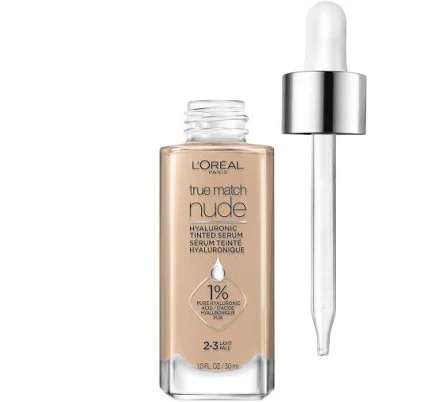
- water, hyaluronic acid, glycerin, pigments, emollients
- We found no PFAS statement from the brand
- 1,4-dioxane contamination from emulsifiers
3 hazards checked on this product, all on its full breakdown.
- pigments, oils, waxes, polymers (standard cosmetic formulations)
- We found no PFAS statement from the brand
- Fragrance allergens or 1,4-dioxane in fragrances
- pigments, waxes, oils, talc, mica
- We found no PFAS statement from the brand
- Fragrance allergens
More makeup grades
How we score, every product runs through the same public 0-100 rubric based on materials, coatings, brand disclosure, lab findings, and recalls. See the full methodology → Spotted a mistake? Report an error.