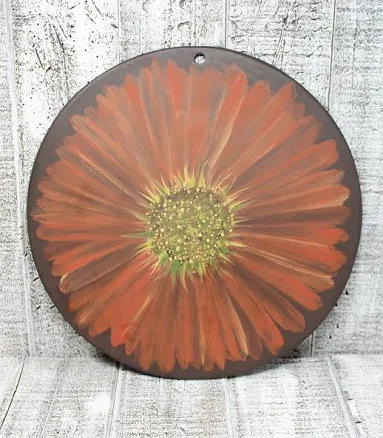
· Pizza Stones & Baking Surfaces
Hand Painted Daisy Pizza Stone-daisy wall hanging-baking stone-baking sheet-pizza supplies-baker gift-hand Painted dishw, Is It Non-Toxic?
Lower concern. Bare ceramic pizza stone with decorative paint.
Hand painted ceramic pizza stone has inherently low PFAS risk; standard ceramic and clay contain no fluorochemicals. Hand paint coating is typical acrylic or oil-based, not prone to PFAS unless artisan used specialty coatings, unlikely.
The better-graded swap
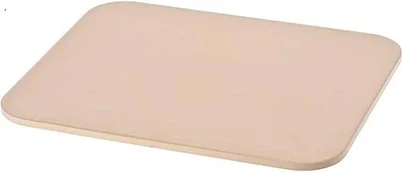
15-Inch Ceramic Pizza Stone for Perfect Crispy Crusts
90/100 safety
Same rubric that flunked this product. The swap earned Excellent.
Still want this one anyway? Check the price on Amazon. We’d swap it.
Material
ceramic or clay pizza stone, hand painted
Brand disclosure
Brand is silent on PFAS
Lab data
No public lab test
You may also be interested in
Top-graded picks in the categories readers replace first, every one scored on the same rubric.

- polypropylene filter housing, carbon/sediment cartridge
- We found no PFAS statement from the brand
- Bacterial growth in spent cartridges
3 hazards checked on this product, all on its full breakdown.

Aquasure
Premier Series 75 GPD Under Sink Reverse Osmosis Water Filtration System
- RO membrane, carbon filters, stainless steel housing
- We found no PFAS statement from the brand
- Bacterial and microbial growth in housing and filters
4 hazards checked on this product, all on its full breakdown.

Avocado
Vegan Mattress
- organic cotton, natural latex, coconut coir, recycled steel coils
- The brand calls it PFAS-free, which we have not verified
- Heavy metals
2 hazards checked on this product, all on its full breakdown.
Is Hand Painted Daisy Pizza Painted dishw non-toxic? What it is made of
Pizza stones are typically fired clay or ceramic, inert at baking temperatures and unlikely to leach minerals into food under normal use. The hazard here is the hand-painted decorative glaze or enamel coating, which may contain lead, cadmium, or other heavy metals depending on the artisan's paint source and firing temperature. Ceramic itself does not off-gas or degrade the way coated cookware does, but the paint layer is the unknown variable in artisan-made pieces.
What’s concerning
Category baseline
The starting point for this type of product, before anything specific to this product is counted.
No PFAS disclosure
No public statement from the brand about PFAS in this product.
Lead
Hand-painted ceramics sourced from artisan suppliers or small manufacturers may use traditional glazes or acrylics not certified food-safe. Lead and cadmium leach slowly into acidic foods (tomato sauce, citrus) or upon thermal cycling if paint is applied over a bare ceramic surface.
Source, ATSDR ↗Paint delamination and microchip ingestion
Hand-painted coatings applied without industrial adhesion testing may flake or chip under repeated heating, thermal shock, or washing. Pieces of paint could be ingested unknowingly if the stone is used for food contact and the coating fails.
Ceramic thermal shock and fracturing
Pizza stones are prone to cracking if exposed to rapid temperature changes (e.g., transferring a hot stone to cool water). Fracturing can expose bare clay underneath and compromise the structural integrity needed for effective baking.
Inadequate product testing and seller accountability
Etsy artisan sellers typically do not conduct lead-testing, heavy-metal analysis, or food-contact compliance audits. No third-party certifications (FDA, NSF) are standard for hand-painted decorative cookware, leaving buyers without independent verification of safety claims.
What’s reassuring
Base material not linked to PFAS
The main material recorded for this product is not one associated with PFAS.
Formaldehyde / VOCs
Most hand-painted ceramic pieces use water-based acrylics or fired ceramic glazes, not resin-based coatings that off-gas formaldehyde. Risk is low unless the seller uses industrial spray paints or epoxies, which is not standard practice for decorative pizza stones.
Source, ATSDR ↗How is this PFAS grade calculated?
The brand's record and disclosure
Etsy is a marketplace of individual artisan sellers with no unified quality control or safety certifications. Most hand-painted ceramics on Etsy lack third-party testing for heavy metals in glazes or pigments, and seller disclosure of paint composition is voluntary and often absent. No recall history is available for this specific product, but lead and cadmium contamination in hand-painted ceramics has been documented in artisan pieces sold online. Buyers should directly ask sellers whether paints are food-safe and whether the piece was tested.
How it compares in its category
Commercial pizza stones (Fibrament, Mugnaini, or branded ceramic stones) typically undergo manufacturing compliance testing and come with material transparency. Hand-painted artisan versions trade this certainty for aesthetics and uniqueness, shifting risk to the buyer. Unlike non-stick cookware (Teflon-type coating risk) or aluminum (leaching concerns), bare ceramic is chemically inert, but the decoration layer introduces the same heavy-metal risk present in vintage or imported hand-painted dinnerware.
If you buy it
Request confirmation from the seller that paint is food-safe and lead-free before purchase. Use the stone only for baking, not as a serving or storage surface where painted areas contact food directly. Inspect the painted surface regularly for chips, cracks, or flaking; discard or repair if coating degrades. Hand-wash gently and avoid thermal shock (do not place hot stone in cold water), which can cause cracking and paint delamination.
What is not known about PFAS in this product?
- Basis
- Model estimate, 78% confidence, not a lab result
- Lab test
- None on record for this exact product
- Brand statement
- has made none
Formulations change between production runs, so check the current label. How we grade.
What are the PFAS-free alternatives to Hand Painted Daisy Pizza Stone-daisy wall hanging-baking stone-baking sheet-pizza supplies-baker gift-hand Painted dishw?
15-Inch Ceramic Pizza Stone for Perfect Crispy Crusts
- Ceramic (clay-based baking stone)
- The brand calls it PFAS-free, which we have not verified
- Glaze degradation and surface leaching
3 hazards checked on this product, all on its full breakdown.
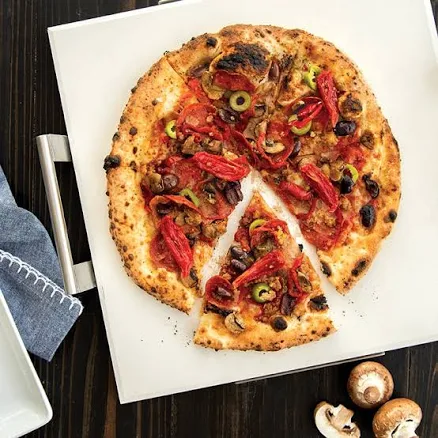
Deluxe Square Pizza Stone with Rack
- ceramic or unglazed stone; no nonstick coating
- The brand calls it PFAS-free, which we have not verified
- Ceramic or stone cracking and fragmentation
2 hazards checked on this product, all on its full breakdown.
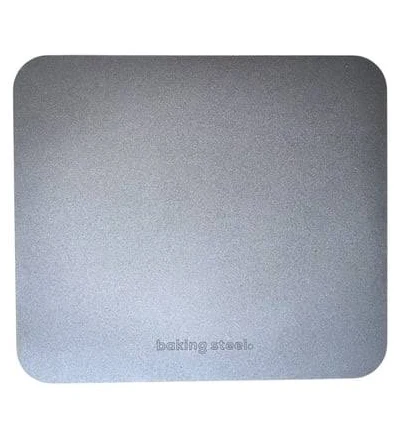
- carbon steel (bare metal, no coating)
- We found no PFAS statement from the brand
- Rust and corrosion
2 hazards checked on this product, all on its full breakdown.
Find an alternative on AmazonMore pizza stones & baking surfaces grades
How we score, every product runs through the same public 0-100 rubric based on materials, coatings, brand disclosure, lab findings, and recalls. See the full methodology → Spotted a mistake? Report an error.