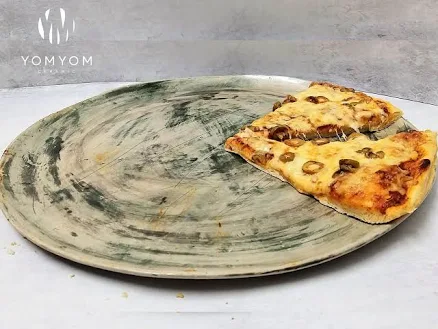
· Pizza Stones & Baking Surfaces
Handmade Ceramic Pizza Stone Tray, Rustic Serving Plate, Is It Non-Toxic?
Lower concern. Ceramic pizza stone unlikely to contain PFAS.
Ceramic cookware, especially pizza stones, is not typically treated with Teflon-family coating or water repellents. No known PFAS risk from bare or standard food-grade glazed ceramic.
The better-graded swap
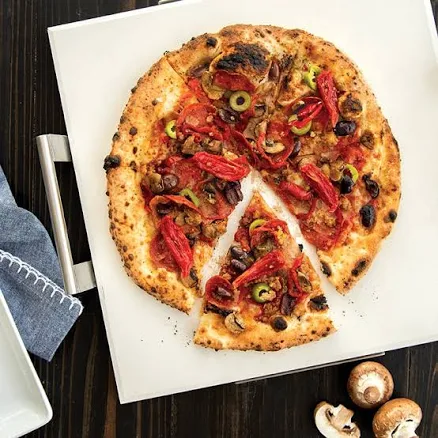
Deluxe Square Pizza Stone with Rack
90/100 safety
Same rubric that flunked this product. The swap earned Excellent.
Still want this one anyway? Check the price on Amazon. We’d swap it.
Material
Ceramic, unglazed or food-grade glazed
Brand disclosure
Brand is silent on PFAS
Lab data
No public lab test
You may also be interested in
Top-graded picks in the categories readers replace first, every one scored on the same rubric.

- polypropylene filter housing, carbon/sediment cartridge
- We found no PFAS statement from the brand
- Bacterial growth in spent cartridges
3 hazards checked on this product, all on its full breakdown.

Aquasure
Premier Series 75 GPD Under Sink Reverse Osmosis Water Filtration System
- RO membrane, carbon filters, stainless steel housing
- We found no PFAS statement from the brand
- Bacterial and microbial growth in housing and filters
4 hazards checked on this product, all on its full breakdown.

Avocado
Vegan Mattress
- organic cotton, natural latex, coconut coir, recycled steel coils
- The brand calls it PFAS-free, which we have not verified
- Heavy metals
2 hazards checked on this product, all on its full breakdown.
Is Handmade Ceramic Pizza Stone Serving Plate non-toxic? What it is made of
Ceramic pizza stones are fired clay, typically stoneware or earthenware, which are chemically inert at normal cooking temperatures. The critical variable is the glaze or finish, food-grade glazes (lead and cadmium compliant) present lower concern for metal leaching, while older or non-compliant glazes can leach these metals into food, especially acidic foods. Unglazed ceramic avoids glaze risks entirely but may absorb oils and odors over time. Rustic handmade pieces are appealing but require manufacturer transparency about glaze composition and firing standards.
What’s concerning
Category baseline
The starting point for this type of product, before anything specific to this product is counted.
No PFAS disclosure
No public statement from the brand about PFAS in this product.
Lead
Ceramic glazes are the primary leaching risk in handmade pottery. Artisan Etsy sellers are not legally required to test for lead or cadmium compliance; if glaze composition is undisclosed, leaching risk cannot be ruled out, particularly with acidic foods (tomato sauce, wine).
Source, ATSDR ↗Coating degradation and crazing
Handmade ceramics may have less durable or thinner glazes than mass-produced alternatives. Crazing (fine cracks in the glaze) can develop over time and with repeated heating, potentially exposing unglazed clay and increasing leaching risk for subsequent uses.
Thermal shock and structural failure
Artisan ceramics vary in clay body quality and may be more prone to cracking under rapid temperature changes. A pizza stone that cracks mid-use can shed ceramic fragments into food and become unsafe; no published failure rate exists for Etsy artisan stones.
What’s reassuring
Base material not linked to PFAS
The main material recorded for this product is not one associated with PFAS.
Bacterial or mold colonization (unglazed only)
Unglazed ceramic is porous and can absorb oils and residues if not dried thoroughly after washing. No documented outbreak linked to pizza stone colonization, but improper storage of damp unglazed stone could theoretically support microbial growth.
Formaldehyde / VOCs
Fired ceramic does not off-gas formaldehyde or VOCs after kiln firing is complete. This hazard is not a concern for ceramic pizza stones regardless of glaze type.
Source, ATSDR ↗How is this PFAS grade calculated?
The brand's record and disclosure
Etsy is a marketplace of independent artisans rather than a single brand, so safety varies seller to seller. Most Etsy ceramic makers do not publish third-party testing or lead/cadmium certifications; many are small operations without formal safety documentation. No widespread recalls or contamination reports exist for Etsy ceramic pizza stones, but buyer protection depends on seller reputation and stated materials. Artisans selling handmade ceramics rarely disclose glaze formulations or testing results, making verification difficult.
How it compares in its category
Ceramic pizza stones present lower concern than nonstick (Teflon-type coating) cookware in that they carry no fume risk and lower chemical leaching risk when properly glazed. Mass-market ceramic pizza stones from major brands (e.g., Lodge, Le Creuset) often include lead/cadmium compliance statements; artisan sellers rarely do. Unglazed ceramic is chemically comparable to kiln-fired stoneware from established makers, but artisan pieces lack standardized quality control. Compared to aluminum or steel pizza pans, ceramic is chemically inert but more fragile.
If you buy it
Request the seller's glaze safety information (lead/cadmium test or statement of compliance) before purchase; reputable artisans will provide this. Season unglazed ceramic lightly with oil to reduce absorbency and odor retention. Avoid sudden temperature swings (room temp to 500F+) which can cause cracking; preheat the stone in the oven gradually. Replace if visible cracks or chips develop, as damaged glazes may expose raw clay. Hand wash only; dishwashers can damage glazes and promote crazing.
What is not known about PFAS in this product?
- Basis
- Model estimate, 82% confidence, not a lab result
- Lab test
- None on record for this exact product
- Brand statement
- has made none
Formulations change between production runs, so check the current label. How we grade.
What are the PFAS-free alternatives to Handmade Ceramic Pizza Stone Tray, Rustic Serving Plate?
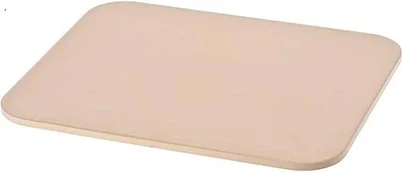
15-Inch Ceramic Pizza Stone for Perfect Crispy Crusts
- Ceramic (clay-based baking stone)
- The brand calls it PFAS-free, which we have not verified
- Glaze degradation and surface leaching
3 hazards checked on this product, all on its full breakdown.
Deluxe Square Pizza Stone with Rack
- ceramic or unglazed stone; no nonstick coating
- The brand calls it PFAS-free, which we have not verified
- Ceramic or stone cracking and fragmentation
2 hazards checked on this product, all on its full breakdown.
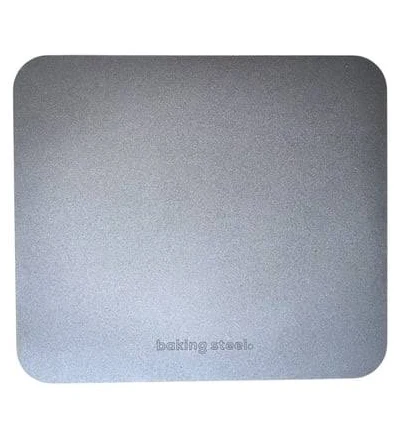
- carbon steel (bare metal, no coating)
- We found no PFAS statement from the brand
- Rust and corrosion
2 hazards checked on this product, all on its full breakdown.
Find an alternative on AmazonMore pizza stones & baking surfaces grades
How we score, every product runs through the same public 0-100 rubric based on materials, coatings, brand disclosure, lab findings, and recalls. See the full methodology → Spotted a mistake? Report an error.