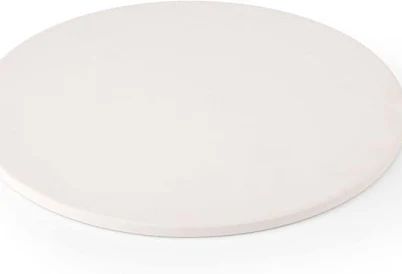
Farberware · Pizza Stones & Baking Surfaces
Farberware BBQ Round Pizza Stone, Is It Non-Toxic?
No coating described, and no PFAS statement from the brand.
The product information we reviewed describes a ceramic or stone baking surface with no non-stick coating named. A pizza stone releases bread through its porous surface, not a coating. The brand has published no PFAS statement for it.
The better-graded swap
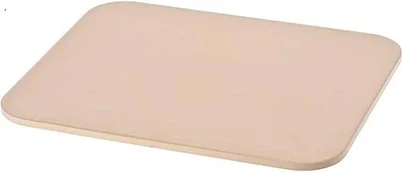
15-Inch Ceramic Pizza Stone for Perfect Crispy Crusts
90/100 safety
Same rubric that flunked this product. The swap earned Excellent.
Still want this one anyway? Check the price on Amazon. We’d swap it.
Material
Ceramic or stone baking surface
Lab data
No public lab test
You may also be interested in
Top-graded picks in the categories readers replace first, every one scored on the same rubric.

- polypropylene filter housing, carbon/sediment cartridge
- We found no PFAS statement from the brand
- Bacterial growth in spent cartridges
3 hazards checked on this product, all on its full breakdown.

Aquasure
Premier Series 75 GPD Under Sink Reverse Osmosis Water Filtration System
- RO membrane, carbon filters, stainless steel housing
- We found no PFAS statement from the brand
- Bacterial and microbial growth in housing and filters
4 hazards checked on this product, all on its full breakdown.

Avocado
Vegan Mattress
- organic cotton, natural latex, coconut coir, recycled steel coils
- The brand calls it PFAS-free, which we have not verified
- Heavy metals
2 hazards checked on this product, all on its full breakdown.
Is Farberware BBQ Round Pizza Stone non-toxic? What it is made of
Farberware's pizza stone is a fired ceramic or cordierite-based baking surface, materials chosen for heat retention and even cooking distribution. Ceramic and stone are chemically inert at typical kitchen temperatures (up to 500°F for home ovens). Unlike coated cookware, there are no applied glazes, enamels, or polymeric coatings on the cooking surface of standard pizza stones, which eliminates leaching pathways common to other bakeware.
What’s concerning
Category baseline
The starting point for this type of product, before anything specific to this product is counted.
No PFAS disclosure
No public statement from the brand about PFAS in this product.
Thermal shock and fracture
Ceramic and stone can crack under rapid heating, cooling, or wet-to-hot contact. Fragments ingested are a choking and gastrointestinal hazard; this is a user-behavior risk, not a manufacturing defect.
Microplastic or particle shedding
Ceramic glaze or decoration may gradually wear or flake into food over extended use, especially if surface is abraded or cracked. Risk is very low for intact stones used as intended but increases with age and damage.
What’s reassuring
Base material not linked to PFAS
The main material recorded for this product is not one associated with PFAS.
Glaze composition (if glazed)
Farberware does not disclose whether the cooking surface is glazed or raw fired ceramic. If glazed, lead or cadmium in decorative glazes is rare in North American cookware but not explicitly ruled out without material data sheet.
Heavy metals
Ceramic and stone minerals are generally low-risk; no reported contamination or recalls for Farberware pizza stones. Naturally occurring trace minerals in clay are inert at kitchen use temperatures.
Source, FDA ↗Off-gassing or volatile organic compounds
Fired ceramic and stone do not off-gas at kitchen temperatures. This hazard class is irrelevant to uncoated baked mineral surfaces.
How is this PFAS grade calculated?
The brand's record and disclosure
Farberware has no public PFAS statement or commitment regarding pizza stones. The brand has no documented recalls or safety controversies specific to this product category. Without an explicit material or coating disclosure from Farberware, the product appears to follow conventional ceramic stone construction, but independent confirmation of glaze composition or source origin is not available from public channels.
How it compares in its category
Pizza stones are a relatively low-hazard category compared to non-stick or metal cookware because they lack applied coatings. Farberware's ceramic stone sits in the mainstream market tier alongside brands like Emile Henry and Lodge; all rely on thermal mass rather than chemical treatments. Round format and size are standard; no safety distinction from rectangular alternatives.
If you buy it
Preheat gradually to avoid thermal shock cracking; do not expose to rapid temperature changes or water contact while hot. Do not use above manufacturer's stated temperature limit (typically 500°F for home use). Inspect for visible cracks or spalling before each use; discard if damaged, as fragments may contaminate food. Clean with hot water and a soft brush; avoid acidic foods on unglazed surfaces if concerned about minimal surface wear over years.
What is not known about PFAS in this product?
- Basis
- Model estimate, 72% confidence, not a lab result
- Lab test
- None on record for this exact product
- Brand statement
- Farberware has made a specific claim
Formulations change between production runs, so check the current label. How we grade.
What are the PFAS-free alternatives to Farberware BBQ Round Pizza Stone?
15-Inch Ceramic Pizza Stone for Perfect Crispy Crusts
- Ceramic (clay-based baking stone)
- The brand calls it PFAS-free, which we have not verified
- Glaze degradation and surface leaching
3 hazards checked on this product, all on its full breakdown.
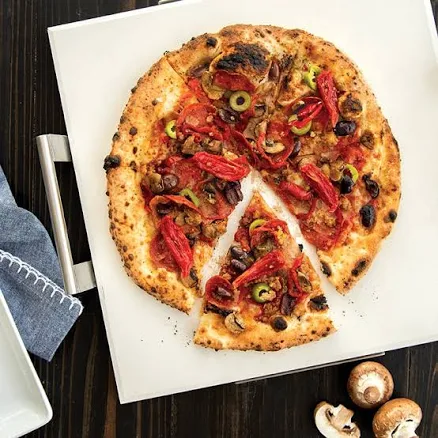
Deluxe Square Pizza Stone with Rack
- ceramic or unglazed stone; no nonstick coating
- The brand calls it PFAS-free, which we have not verified
- Ceramic or stone cracking and fragmentation
2 hazards checked on this product, all on its full breakdown.
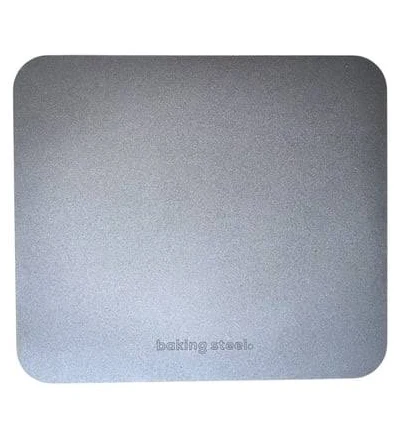
- carbon steel (bare metal, no coating)
- We found no PFAS statement from the brand
- Rust and corrosion
2 hazards checked on this product, all on its full breakdown.
Find an alternative on AmazonMore pizza stones & baking surfaces grades
How we score, every product runs through the same public 0-100 rubric based on materials, coatings, brand disclosure, lab findings, and recalls. See the full methodology → Spotted a mistake? Report an error.