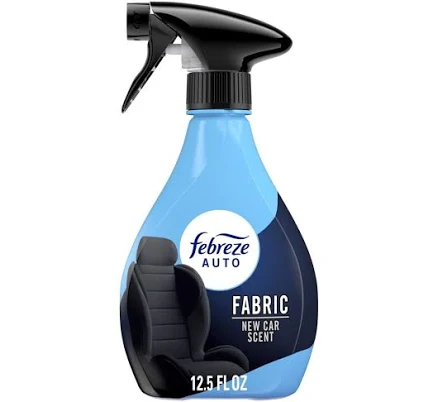
Febreze Fabric · Fabric Stain Guard Sprays
Febreze Fabric Spray Air Freshener 12.5 fl oz
Lower risk, but limited transparency on how ingredients are sourced.
Febreze Fabric Spray contains propylene glycol and fragrance without the nonstick or water-repellent coatings that trigger PFAS use. Procter & Gamble does not disclose PFAS testing.
We flunk more products than we pass. This one earned its grade. How we grade
Material
Aqueous spray solution (propylene glycol, fragrance, water); no inherent PFAS-prone materials flagged
Brand disclosure
Brand is silent on PFAS
Lab data
No public lab test
You may also be interested in
Top-graded picks in the categories readers replace first, every one scored on the same rubric.

Aqua Pure
3M Aqua-Pure AP802B Whole House Filter Housing
- polypropylene filter housing, carbon/sediment cartridge
- We found no PFAS statement from the brand
- Bacterial growth in spent cartridges
3 hazards checked on this product. See all of them.

Aquasure
Premier Series 75 GPD Under Sink Reverse Osmosis Water Filtration System
- RO membrane, carbon filters, stainless steel housing
- We found no PFAS statement from the brand
- Bacterial and microbial growth in housing and filters
4 hazards checked on this product. See all of them.

Avocado
Vegan Mattress
- organic cotton, natural latex, coconut coir, recycled steel coils
- The brand calls it PFAS-free, which we have not verified
- Heavy metals
2 hazards checked on this product. See all of them.
What Febreze Fabric Spray Air Freshener 12.5 is made of, ingredients and materials
Febreze Fabric Spray is an aqueous (water-based) solution containing propylene glycol as a humectant and carrier, fragrance compounds, and water. Propylene glycol is a common, low-toxicity solvent approved by EPA and FDA for food and personal care use at normal exposure levels. The spray format means you are inhaling a fine mist rather than consuming residue, which reduces dermal and ingestion risk compared to liquid products. Fragrance components are the primary chemical exposure concern, though the product does not disclose the specific fragrance allergens or volatile organic compounds (VOCs) involved.
What’s concerning
Category baseline
The starting point for this type of product, before anything specific to this product is counted.
No PFAS disclosure
No public statement from the brand about PFAS in this product.
Fragrance allergens and VOC exposure
Febreze does not disclose specific fragrance components, making it impossible to rule out common allergens (limonene, linalool) or irritants. Inhalation of fragrance mist is the primary route of exposure; individuals with asthma, eczema, or fragrance sensitivity may experience respiratory or skin reactions.
Fabric damage or staining from solvent carrier
Propylene glycol can leave water spots or minor discoloration on delicate fabrics (silk, suede, velvet) if applied heavily. Test on hidden areas before use on high-value textiles.
What’s reassuring
Base material not linked to PFAS
The main material recorded for this product is not one associated with PFAS.
Propylene glycol respiratory or skin sensitization
Propylene glycol is non-toxic at normal consumer exposure levels and is FDA-approved. However, when aerosolized in spray form, fine droplets may irritate airways in sensitive individuals; dermal contact is unlikely to cause harm.
Microplastics
No evidence that Febreze Fabric Spray contains microbeads or microplastics. The formulation is aqueous and does not rely on synthetic polymer suspensions known to persist on fabric or in the environment.
Source, EPA ↗Formaldehyde / VOCs
No data suggests Febreze Fabric Spray contains formaldehyde donors or formaldehyde releasers. Aqueous sprays typically rely on other preservation methods or low water activity.
Source, ATSDR ↗The full breakdown
The brand's record and disclosure
Febreze (Procter & Gamble subsidiary) does not publish a detailed fragrance ingredient list or PFAS sourcing statement for this product. The brand has faced historical criticism for vague 'fragrance' labeling and lack of transparency on volatile components, though no major safety recalls or regulatory enforcement actions are on record for Fabric Spray specifically. P&G has made commitments to ingredient transparency in some product lines but has not extended detailed disclosure to all air freshener and fabric spray formulations. For this spray, assume standard fragrance obscurity typical of the category.
How it compares in its category
Fabric sprays like Febreze occupy the middle ground between unscented odor eliminators (e.g., baking soda-based products) and perfumed fabric refreshers. Febreze's propylene glycol and water base is less concerning than spray products relying on silicones, dimethicone, or alcohol solvents, which carry higher VOC and respiratory irritation risk. However, it is not as transparent as certified fragrance-free or naturally scented competitors (e.g., EWG Verified alternatives). Most mainstream fabric sprays in this category share similar disclosure gaps around fragrance, making Febreze representative rather than exceptional.
If you buy it
Use in well-ventilated spaces and avoid spraying directly on skin or near face; inhalation of fragrance mists can trigger sensitivity in those with asthma or fragrance allergies. Do not spray on delicate fabrics without testing on an inconspicuous area first, as propylene glycol may cause minor darkening or water spotting on silk or suede. Store upright in cool, dry conditions and replace every 1-2 years if not used regularly, as propellant pressure may degrade. If you experience headache, dizziness, or respiratory irritation during or after use, discontinue and improve ventilation.
What we don’t know
- Basis
- Model estimate, 60% confidence, not a lab result
- Lab test
- None on record for this exact product
- Brand statement
- Febreze Fabric has made none
Formulations change between production runs, so check the current label. How we grade.
More fabric stain guard sprays grades
How we score, every product runs through the same public 0-100 rubric based on materials, coatings, brand disclosure, lab findings, and recalls. See the full methodology → Spotted a mistake? Report an error.