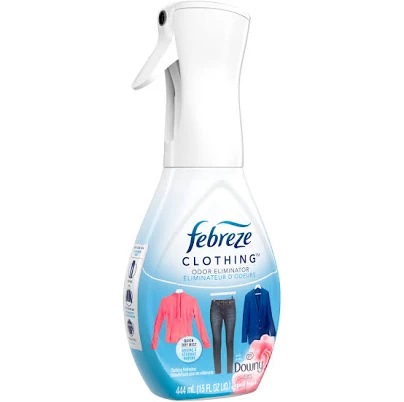
Febreze · Fabric Stain Guard Sprays
Febreze Clothing Odor Eliminator Scent
Lower concern, spray type has no known PFAS red flags.
This clothing spray uses water and fragrance with no known PFAS concerns. The brand keeps silent on PFAS, and no independent testing is available.
We flunk more products than we pass. This one earned its grade. How we grade
Material
water and fragrance spray formulation
Brand disclosure
Brand is silent on PFAS
Lab data
No public lab test
You may also be interested in
Top-graded picks in the categories readers replace first, every one scored on the same rubric.

Aqua Pure
3M Aqua-Pure AP802B Whole House Filter Housing
- polypropylene filter housing, carbon/sediment cartridge
- We found no PFAS statement from the brand
- Bacterial growth in spent cartridges
3 hazards checked on this product. See all of them.

Aquasure
Premier Series 75 GPD Under Sink Reverse Osmosis Water Filtration System
- RO membrane, carbon filters, stainless steel housing
- We found no PFAS statement from the brand
- Bacterial and microbial growth in housing and filters
4 hazards checked on this product. See all of them.

Avocado
Vegan Mattress
- organic cotton, natural latex, coconut coir, recycled steel coils
- The brand calls it PFAS-free, which we have not verified
- Heavy metals
2 hazards checked on this product. See all of them.
What Febreze Clothing Odor Eliminator Scent is made of, ingredients and materials
Febreze Clothing Odor Eliminator is a dilute aqueous spray containing fragrance compounds, surfactants, and odor-neutralizing agents (cyclodextrin is a common Febreze base). The spray format means no heating, no coating degradation risk, and minimal exposure to volatile compounds compared to aerosol or liquid concentrates. Water-based formulations carry lower chemical hazard profiles than oil-based or solvent-heavy alternatives in this category.
What’s concerning
Category baseline
The starting point for this type of product, before anything specific to this product is counted.
No PFAS disclosure
No public statement from the brand about PFAS in this product.
Fragrance allergens and sensitizers
Febreze does not disclose individual fragrance components; some users report headaches, respiratory irritation, or skin contact dermatitis. Risk is individual; people with fragrance sensitivity, asthma, or multiple chemical sensitivity (MCS) should use cautiously or avoid.
Surfactant residues on skin or garments
Trace surfactant residue may remain on fabric after spray and air-dry; direct skin contact (e.g., wearing treated clothing) could cause mild irritation in sensitive individuals. Residue levels are typically minimal and decrease with wear/washing.
Eye or mucous membrane contact
Spray contact with eyes or mouth can cause temporary irritation, stinging, or tearing. Label warns against facial application; risk is low with normal use but real with careless handling, especially around children or pets.
What’s reassuring
Base material not linked to PFAS
The main material recorded for this product is not one associated with PFAS.
1,4-dioxane (fragrance solvent residue)
No direct reports of 1,4-dioxane contamination in Febreze Clothing products. Dioxane can occur as a byproduct in fragrance manufacturing; water-based formulations typically carry lower dioxane risk than solvent-based systems, but independent testing data is not publicly available.
Cyclodextrin safety (if used)
Cyclodextrin (if present as odor encapsulant) is generally recognized as safe (GRAS) by the FDA for food; data on inhalation or skin contact from spray is limited but no documented health incidents tied to Febreze products exist in public records.
The full breakdown
The brand's record and disclosure
SC Johnson (Febreze parent) has faced historical scrutiny over fragrance transparency and air freshener marketing claims, but no major safety recalls or contamination incidents on record for this specific product line. The company does not openly disclose full fragrance ingredient lists (industry standard practice), which limits independent hazard assessment. No certifications (Green Seal, Cradle to Cradle, etc.) are advertised for this product.
How it compares in its category
Febreze Clothing is mid-tier in the odor-elimination spray market. It sits between budget unscented enzymatic sprays (lower chemical load) and premium botanical or fragrance-heavy alternatives (higher allergen/skin sensitizer risk). The cyclodextrin encapsulation approach presents lower concern than masking-only products, though efficacy varies by odor type. Most competing spray products share similar fragrance disclosure gaps.
If you buy it
Spray lightly on garments and allow air-dry; do not soak or saturate. Test on hidden seams first if item is delicate, dyed, or vintage (fragrance compounds can rarely interact with aged dyes). Store in cool, dark conditions away from heat or direct sunlight to prevent fragrance degradation. Use within 18-24 months of opening; replace if spray nozzle clogs or product separates visibly.
What we don’t know
- Basis
- Model estimate, 72% confidence, not a lab result
- Lab test
- None on record for this exact product
- Brand statement
- Febreze has made none
Formulations change between production runs, so check the current label. How we grade.
More fabric stain guard sprays grades
How we score, every product runs through the same public 0-100 rubric based on materials, coatings, brand disclosure, lab findings, and recalls. See the full methodology → Spotted a mistake? Report an error.