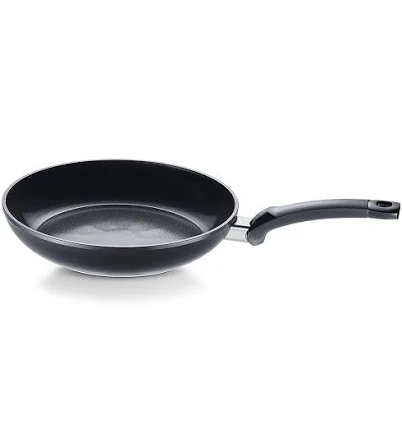
Fissler Ceratal Classic Ceramic Non-Stick Frying Pan, Is It Non-Toxic?
Ceramic coating means lower PFAS risk, but brand says nothing about it.
Fissler's Ceratal ceramic coating carries less PFAS concern than Teflon-type coating-based products. The brand makes no public statement about PFAS risk though.
The better-graded swap
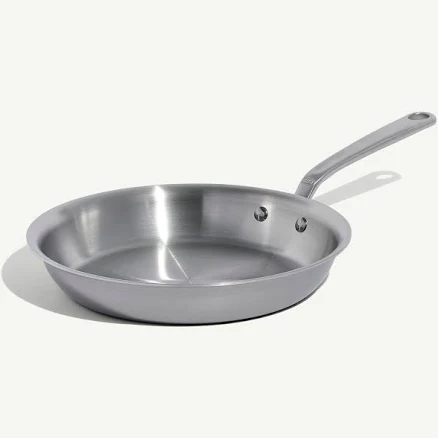
Made In
Made In Stainless Clad Fry Pan
100/100 safety
Same rubric that flunked this product. The swap earned Excellent.
Still want this one anyway? Check the price on Amazon. We’d swap it.
Material
ceramic non-stick coating
Brand disclosure
Brand is silent on PFAS
Lab data
No public lab test
You may also be interested in
Top-graded picks in the categories readers replace first, every one scored on the same rubric.

- polypropylene filter housing, carbon/sediment cartridge
- We found no PFAS statement from the brand
- Bacterial growth in spent cartridges
3 hazards checked on this product, all on its full breakdown.

Aquasure
Premier Series 75 GPD Under Sink Reverse Osmosis Water Filtration System
- RO membrane, carbon filters, stainless steel housing
- We found no PFAS statement from the brand
- Bacterial and microbial growth in housing and filters
4 hazards checked on this product, all on its full breakdown.

Avocado
Vegan Mattress
- organic cotton, natural latex, coconut coir, recycled steel coils
- The brand calls it PFAS-free, which we have not verified
- Heavy metals
2 hazards checked on this product, all on its full breakdown.
Is Fissler Ceratal Classic Ceramic Frying Pan non-toxic? What it is made of
Fissler Ceratal Classic uses a ceramic non-stick coating, which is a ceramic-type or silica-based system rather than Teflon-type coating (Teflon). Ceramic coatings bond inorganic compounds to the metal substrate and do not release perfluorinated gases when heated normally. However, the specific binder chemistry, hardeners, and any polymeric additives in Fissler's proprietary formulation are not publicly disclosed, making full assessment of leaching risk or degradation byproducts difficult.
What’s concerning
Category baseline
The starting point for this type of product, before anything specific to this product is counted.
No PFAS disclosure
No public statement from the brand about PFAS in this product.
Non-stick, chemistry undisclosed
Marketed as non-stick without stating the coating chemistry.
Ceramic coating degradation and leaching
Ceramic coatings are inherently less durable than Teflon-type coating and can shed or expose underlying substrate after months to a few years of use. No published data on Fissler Ceratal leachate composition once coating fails; risk depends on substrate metal and binder chemistry (both undisclosed).
Aluminum leaching from cookware substrate
If the pan substrate is aluminum or aluminum alloy (common in non-stick cookware), the ceramic coating's integrity is critical to prevent aluminum ion migration into food. Fissler does not specify substrate material or confirm coating adhesion testing, leaving this risk unquantified.
Thermal stability and coating decomposition byproducts
Ceramic coatings may release volatile organic compounds or non-volatile residues if exposed to sustained high heat or if binder resins thermally degrade. Fissler provides no published decomposition or off-gas data, and testing at realistic use temperatures is not publicly available.
What’s reassuring
Teflon-type coating/Teflon-family coating fume inhalation risk
Ceramic coatings do not rely on Teflon-type coating and do not release perfluorinated gases. Risk of fume inhalation is substantially lower than conventional Teflon cookware.
Lead
Modern ceramic cookware from established EU manufacturers is unlikely to contain lead or cadmium; Fissler's production standards are assumed to comply with EU heavy metal limits. However, the brand does not publish independent test reports to confirm this.
Source, ATSDR ↗How is this PFAS grade calculated?
The brand's record and disclosure
Fissler is a long-established German cookware manufacturer with no major public safety recalls specific to this product line. However, the brand provides minimal transparency about coating composition, third-party testing, or adherence to material migration standards (such as EU or FDA limits). Fissler has not published independent certification data on ceramic coating stability or leachate chemistry, which limits confidence in long-term safety claims.
How it compares in its category
Ceramic non-stick cookware ranks lower in Teflon-type coating fume risk than conventional Teflon products and avoids legacy PFOA concerns. However, it sits midrange for transparency, brands like GreenPan and Caraway publish more detailed coating science and third-party test results, while traditional stainless steel or cast iron require no coating oversight. Ceramic coatings are generally less durable than Teflon-type coating, meaning earlier replacement risk.
If you buy it
Use at medium heat or below; avoid preheating empty or exposing to flames or high-temperature searing. Inspect the coating monthly for scratches, chipping, or discoloration. If coating visibly degrades, replace the pan rather than risk leaching from exposed substrate or binder breakdown. Hand-wash only and avoid metal utensils; abrasion accelerates ceramic wear. Do not assume ceramic coating is 'forever non-stick'.
What is not known about PFAS in this product?
- Basis
- Model estimate, 72% confidence, not a lab result
- Lab test
- None on record for this exact product
- Brand statement
- Fissler has made none
Formulations change between production runs, so check the current label. How we grade.
What are the PFAS-free alternatives to Fissler Ceratal Classic Ceramic Non-Stick Frying Pan?
- Stainless steel clad construction, no nonstick coating
- The brand calls it PFAS-free, which we have not verified
- Clad separation or delamination over time
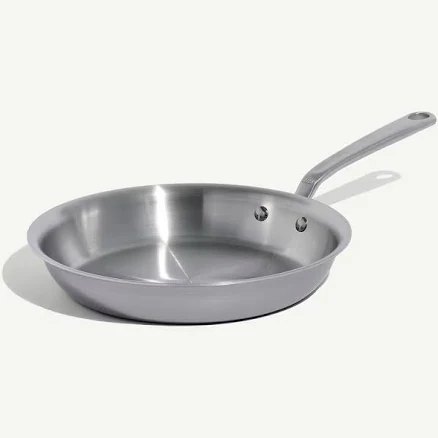
- stainless steel clad construction, no nonstick coating
- The brand calls it PFAS-free, which we have not verified
- Nickel leaching from stainless steel
3 hazards checked on this product, all on its full breakdown.
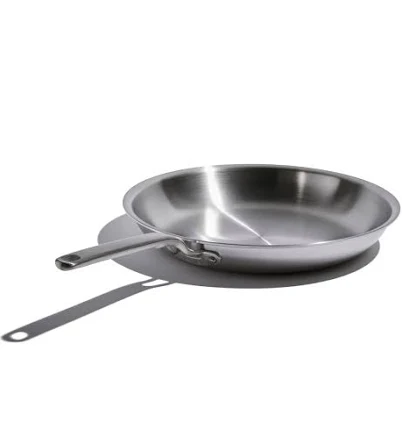
- Clad stainless steel, no coating
- The brand calls it PFAS-free, which we have not verified
- Metal ion release during cooking (iron, nickel, chromium)
More cookware grades
How we score, every product runs through the same public 0-100 rubric based on materials, coatings, brand disclosure, lab findings, and recalls. See the full methodology → Spotted a mistake? Report an error.