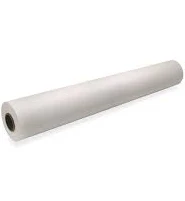
Weston · Grease-Resistant Butcher & Deli Paper
Weston Mossy Oak GameKeeper Heavy Duty Coated Freezer Paper
Avoid until the brand discloses coating ingredients. Coated freezer paper often uses PFAS.
This freezer paper's grease-resistant coating composition is not public. Store brands rarely disclose coating type though PFAS use in food-contact papers is common.
The better-graded swap
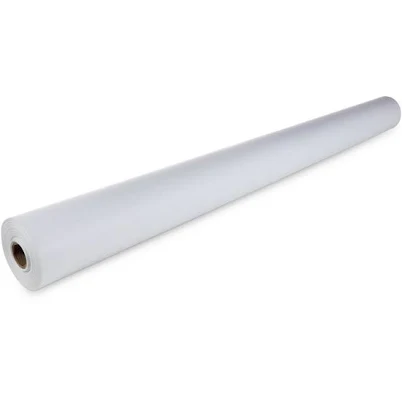
IDL Packaging
Idl Packaging White Butcher Paper 18" x 12000" Natural Butcher Paper Roll for Meat and Fish
95/100 safety
Same rubric that flunked this product. The swap earned Excellent.
Still want this one anyway? Check the price on Amazon. We’d swap it.
Material
Paper with undisclosed moisture/grease-resistant coating
Brand disclosure
Brand is silent on PFAS
Lab data
No public lab test
What Weston Mossy Oak GameKeeper Heavy Duty is made of, ingredients and materials
This product is cellulose paper (wood fiber) with an applied moisture and grease-resistant coating of undisclosed formulation. The coating is the critical unknown, freezer papers typically use either silicone-based, wax-based, or fluorinated polymer (PFAS-containing) barriers to repel moisture. Without ingredient transparency from Kroger/Safeway house brands, the coating chemistry cannot be verified. The paper substrate itself poses minimal risk, but the coating's migration potential into frozen foods over weeks or months of storage remains unquantified for this specific product.
What’s concerning
Category baseline
The starting point for this type of product, before anything specific to this product is counted.
No PFAS disclosure
No public statement from the brand about PFAS in this product.
Waterproof / stain-resistant treatment
Water-repellent coating treatments have historically used PFAS.
PFAS
PFAS compounds are common in freezer paper coatings but not confirmed for this specific store-brand product due to lack of disclosure. Migration risk increases with fatty foods and storage duration beyond 3 months.
Source, ATSDR ↗Coating migration into food (nonspecific chemical)
Any synthetic coating can migrate into frozen foods under prolonged storage or if food is directly wrapped on coated side. Degree of migration depends on undisclosed coating type and food fat/acid content.
Microplastics
Coatings can degrade with freezer temperature cycling over months. Degradation risk is unknown without material specifications, but generic store brands are not typically formulated for multi-year durability.
Source, EPA ↗What’s reassuring
Mineral oil or paraffin residues (if wax-based coating)
If this product uses traditional wax instead of synthetic coating, food-grade mineral oil or paraffin would be low-toxicity alternatives. However, wax-based freezer papers are less common in budget product lines and are not confirmed for this item.
Bleach or chlorine compounds in paper processing
No specific data on this product's paper bleaching method. Standard commercial freezer paper uses chlorine-free or elemental chlorine-free processes in most markets, but store-brand specifications are not publicly available.
The full breakdown
The brand's record and disclosure
Store-brand freezer papers (Kroger, Safeway, and similar retailers) typically provide no public disclosure of coating ingredients, PFAS status, or third-party testing. These brands have not published position statements on PFAS avoidance or committed to fluorine-free alternatives in freezer paper lines. No recalls or safety incidents specific to these products appear in FDA or CPSC records, but the absence of disclosure reflects a broader pattern in budget food packaging where ingredient transparency is deprioritized.
How it compares in its category
Standard freezer paper competes against parchment paper (silicone-coated, no PFAS known), vacuum-seal bags (mixed PFAS risk depending on brand), and wax paper (historically paraffin, low risk but less moisture-resistant). Store-brand coated freezer papers are positioned as economy options and typically offer less transparency than name brands like Reynold's, which have begun phasing fluorinated coatings in some product lines. Generic options represent the highest uncertainty tier in freezer storage materials.
If you buy it
Use this product for short-term freezing (under 2 months) and avoid direct contact between coated surface and fatty or acidic foods, which can increase coating migration risk. Place coated side outward (touching freezer air, not food) when wrapping. Do not use for microwave reheating; if thawing, transfer to alternative container before heating. Replace rolls every 1-2 years regardless of remaining stock, as coating degradation accelerates with age and temperature cycling.
What we don’t know
- Basis
- Model estimate, 35% confidence, not a lab result
- Lab test
- None on record for this exact product
- Brand statement
- Weston has made none
Formulations change between production runs, so check the current label. How we grade.
Better-graded alternatives in Grease-Resistant Butcher & Deli Paper
IDL Packaging
White Butcher Paper 18" x 12000" Natural Butcher Paper Roll for Meat and Fish
- unbleached natural kraft paper
- The brand calls it PFAS-free, which we have not verified
- Mold or microbial growth
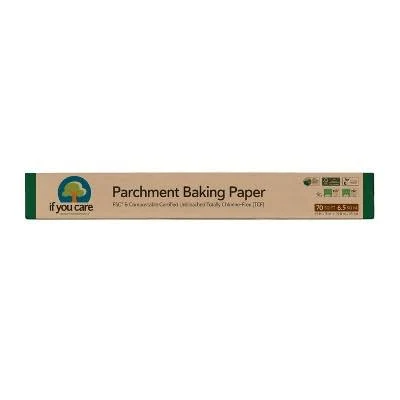
If You Care
Parchment Baking Sheets
- unbleached parchment paper, silicone coating
- The brand calls it PFAS-free, which we have not verified
- Silicone coating degradation under heat stress
2 hazards checked on this product. See all of them.
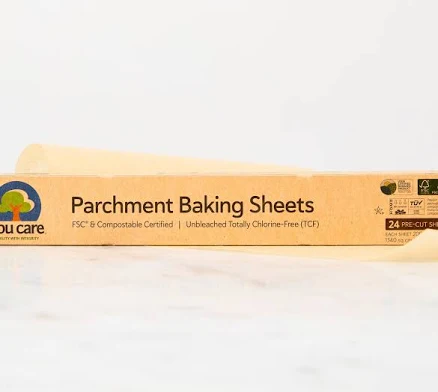
If You Care
Parchment Baking Paper
- Silicone-coated parchment paper
- The brand calls it PFAS-free, which we have not verified
- Silicone coating degradation at high heat
More grease-resistant butcher & deli paper grades
How we score, every product runs through the same public 0-100 rubric based on materials, coatings, brand disclosure, lab findings, and recalls. See the full methodology → Spotted a mistake? Report an error.